
















NEWS FEATURE | ENVIRONMENT & WILDLIFE
India’s 10 Big Wild Animals and the State of Their Habitats
By Suman Munshi | 08 November 2025
India is home to some of the world’s most iconic wildlife, supported by one of the planet’s richest and most diverse ecosystems — from Himalayan glaciers to tropical rainforests, wetlands, deserts, and grasslands. Yet, accelerating urbanisation, climate change, and habitat fragmentation continue to challenge the survival of these species.
Below are ten of the largest and most significant wild animals of India, and a snapshot of the condition of their habitats today.
1. Bengal Tiger (Panthera tigris tigris)
Habitat: Dense forests, mangrove swamps (e.g., the Sundarbans), and grasslands of Central & Northern India.
Status of Habitat: Improving but fragile
India has over 70% of the world’s wild tigers. Tiger populations increased due to Project Tiger and expansion of protected areas. However, corridor fragmentation and human-wildlife conflict remain the biggest threats.
Condition: Though India hosts more than 70% of the world’s wild tigers, their territories remain fragmented and subject to human-wildlife conflict. Sustained conservation efforts have yielded positive results, yet success remains uneven across regions
Bengal Tiger (Panthera tigris tigris) is found across multiple forest types in India. Tigers prefer large, connected forests with good prey availability and water sources.
Major Forest Types in India where Bengal Tigers are found:
| Forest Type | Example Tiger Landscapes / States |
|---|---|
| Tropical Moist Deciduous Forests | Jim Corbett (Uttarakhand), Dudhwa (UP), Kanha (Madhya Pradesh), Tadoba (Maharashtra) |
| Tropical Dry Deciduous Forests | Bandhavgarh, Pench, Panna (Madhya Pradesh), Ranthambore (Rajasthan) |
| Semi-Evergreen and Evergreen Forests (Western Ghats) | Nagarhole, Bandipur (Karnataka), Periyar (Kerala), Anamalai, Mudumalai (Tamil Nadu) |
| Mangrove Forests | Sundarbans (West Bengal) — only mangrove tiger habitat in the world |
| Terai Floodplain Grassland–Forest Mosaic | Kaziranga (Assam), Valmiki (Bihar), Jaldapara & Buxa (West Bengal) |
Key Tiger Landscapes (NTCA classification)
India has 5 major tiger geographical regions:
- Shivalik–Gangetic Plains – Corbett, Dudhwa
- Central Indian Landscape – Kanha, Bandhavgarh, Pench, Tadoba, Panna
- Western Ghats – Nagarhole, Bandipur, Mudumalai, Anamalai, Periyar
- Northeast Hills & Brahmaputra Flood Plains – Kaziranga, Manas, Orang
- Sundarbans Mangroves – World’s only swimming tiger habitat
Summary
Bengal Tigers in India are mainly found in deciduous forests, evergreen forests, grasslands, and mangrove forests — across Central India, the Western Ghats, the Himalayan foothills, Northeast India, and the Sundarbans.


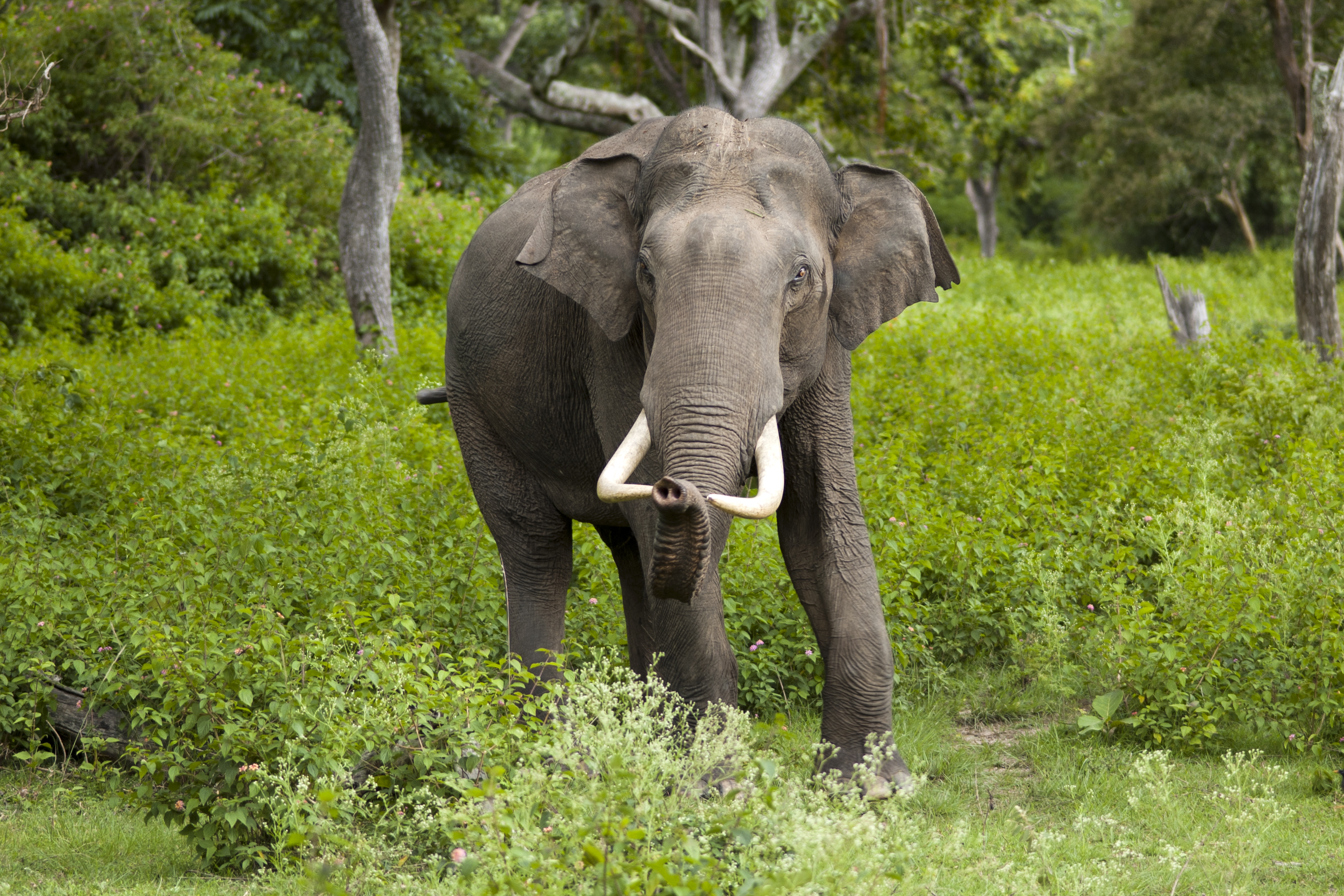
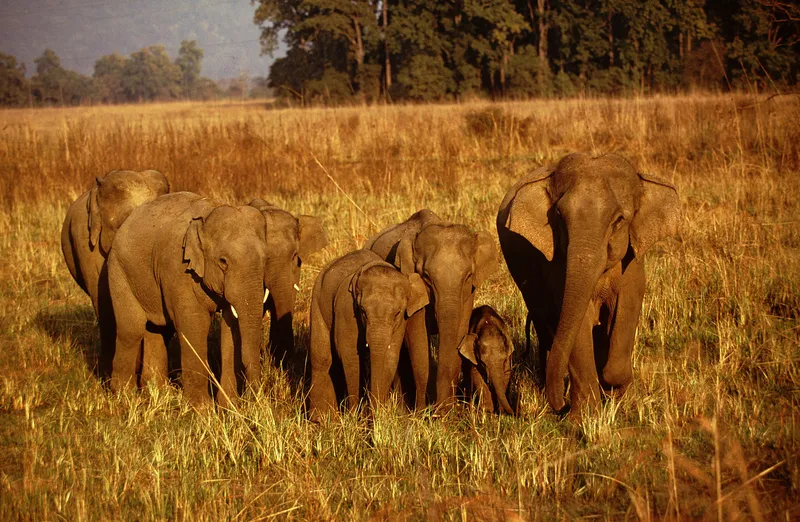
2. Asian Elephant (Elephas maximus indicus)
Habitat: Tropical moist forests, floodplains, and grassland-forest mosaics in South and Northeast India.
Status of Habitat: Severely fragmented
Elephants require large, connected forests. Roads, rail tracks, and tea plantation expansion have cut traditional migration routes, causing frequent human-elephant conflict.
Condition: Elephant habitats are heavily fragmented by plantations, infrastructure, and agriculture. Migration corridors are under threat, increasing human-elephant confrontations and habitat stress.
Forests Where They Are Found in India
The Asian elephant is India’s largest land mammal and lives across a wide range of forest ecosystems. Unlike tigers, elephants are migratory, moving across long distances through forest corridors. Their distribution spans four major elephant landscapes in India.
Forest Types Where Asian Elephants Are Found
| Forest Type | Habitat Characteristics | Key States / Reserves |
|---|---|---|
| Tropical Moist Deciduous Forests | Abundant water, grasses, bamboo | Mysuru–Nilgiri landscape (Karnataka, Tamil Nadu), Corbett (Uttarakhand), Rajaji (Uttarakhand), parts of Assam |
| Tropical Dry Deciduous Forests | Seasonal—elephants migrate to water sources during summer | Eastern Karnataka, Central Kerala, Odisha |
| Tropical Semi-evergreen & Evergreen Forests | Dense rainforests, high rainfall, rich fodder | Western Ghats (Anamalai, Periyar), Northeast India (Kaziranga–Karbi–Anglong) |
| Grasslands & Riverine Forests (Terai & Brahmaputra floodplains) | Tall grass, river channels, ideal for calves | Corbett (Uttarakhand), Dudhwa (UP), Kaziranga (Assam), Manas (Assam) |
Four Major Elephant Ranges in India (official elephant reserve zoning)
| Region (Elephant Landscape) | Where Exactly | States Included |
|---|---|---|
| Western Ghats Landscape | Nilgiri Biosphere, Bandipur, Nagarhole, Wayanad, Mudumalai, Anamalai | Karnataka, Tamil Nadu, Kerala |
| Northeast India Landscape | Brahmaputra floodplains and hills | Assam, Arunachal Pradesh, Meghalaya, Tripura |
| Eastern–Central India Landscape | Deccan plateau forests | Odisha, Jharkhand, Chhattisgarh |
| Northern / Terai Landscape | Himalayan foothills and riverine forests | Uttarakhand, Uttar Pradesh, Bihar, West Bengal |
Why Elephants Need Corridors
Elephants don’t stay in a single forest — they migrate between forest patches, following ancient paths known as elephant corridors.
These corridors allow movement between:
- Bandipur → Mudumalai → Wayanad → Nagarhole (Nilgiri landscape: world’s largest wild elephant population)
- Assam → Arunachal Pradesh → Nagaland (Kaziranga landscape)
- Similipal → Satkosia (Odisha corridor belts)
The biggest threats to their habitat are:
- Rail/road traffic cutting through forests
- River pollution
- Human encroachment and fencing of migration routes
Summary
Asian Elephants in India are found mainly in tropical moist and dry deciduous forests, evergreen forests, and riverine/grassland ecosystems — primarily in the Western Ghats, Northeast, Eastern India, and the Himalayan foothills.




3. Greater One-Horned Rhinoceros (Rhinoceros unicornis)
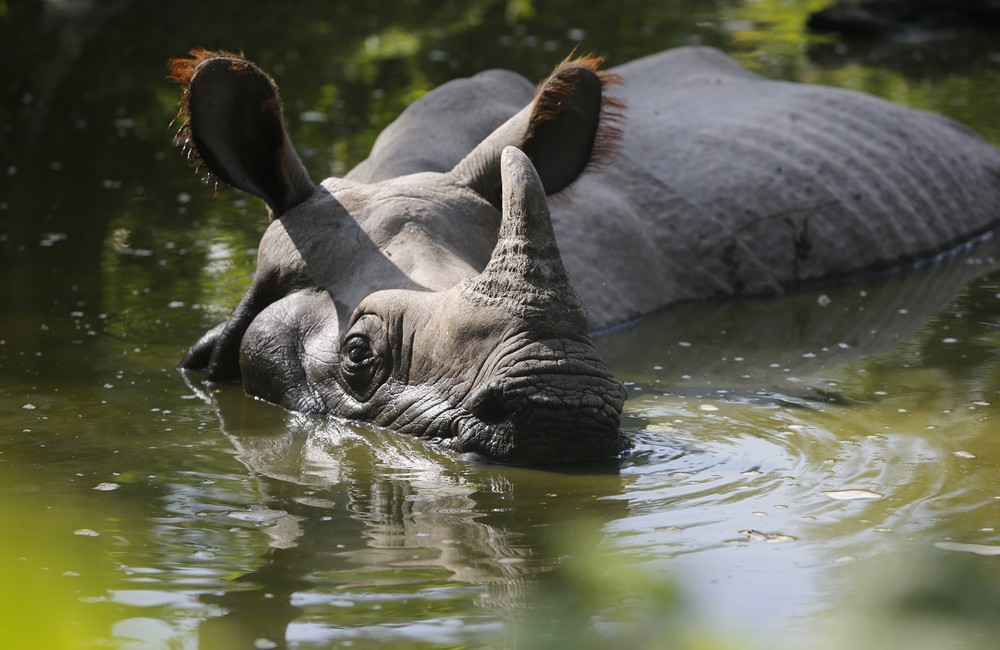
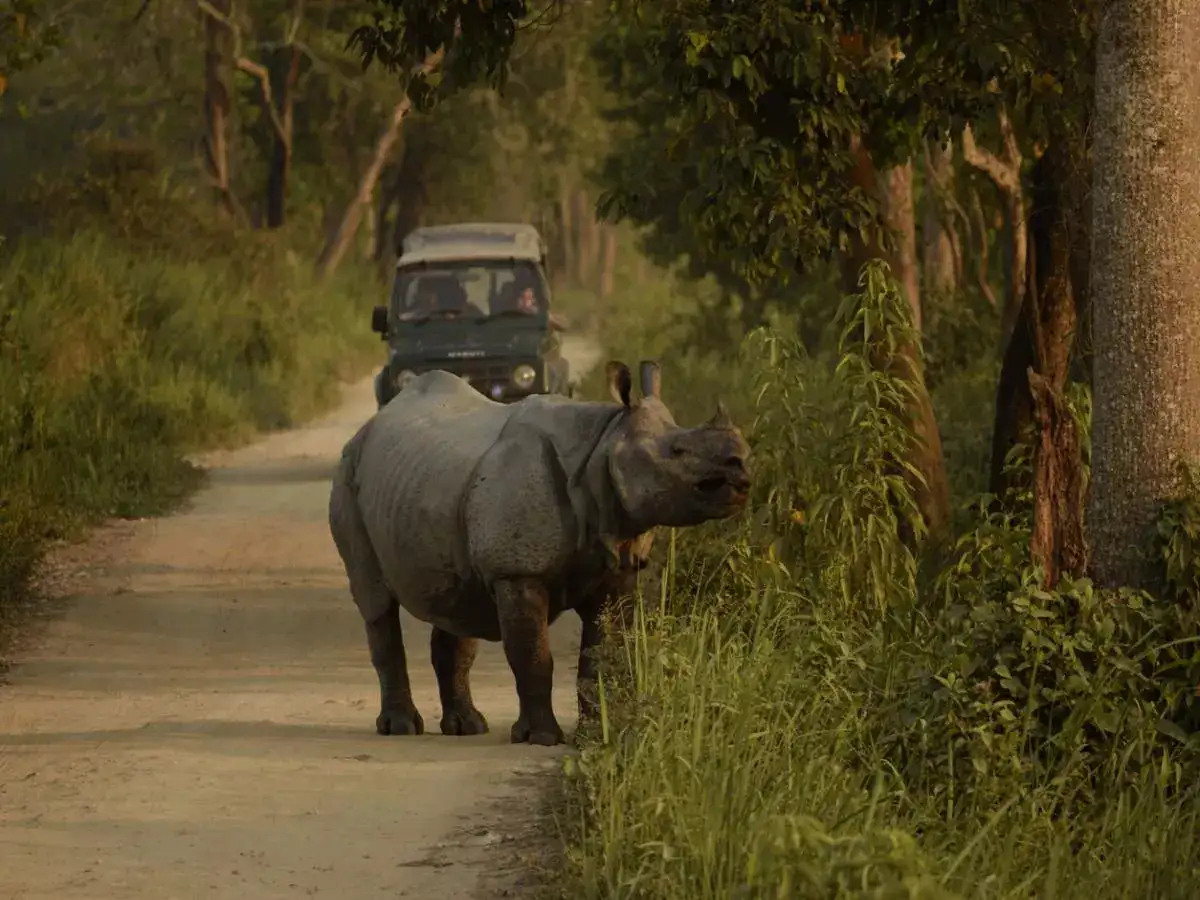
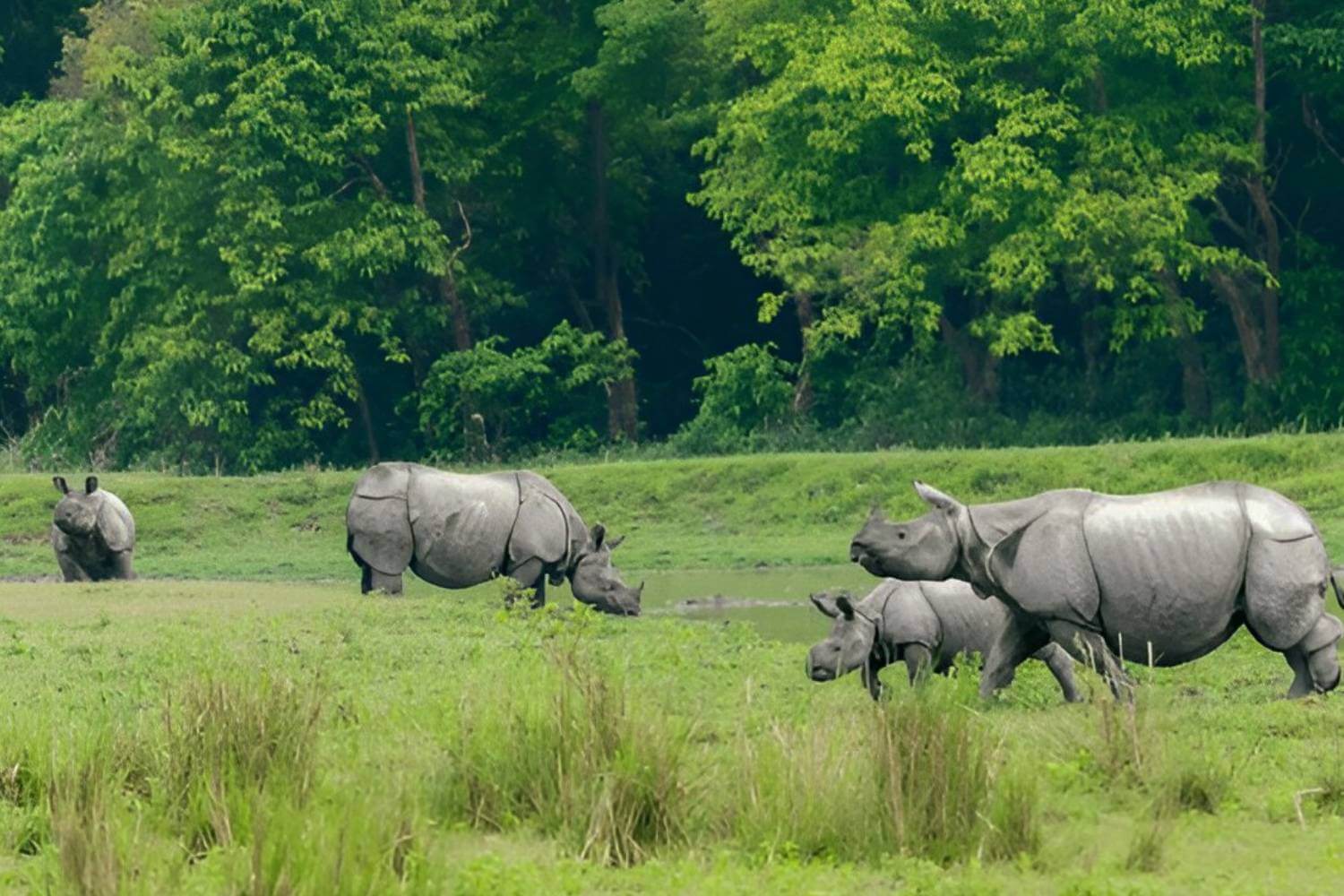
Habitat: Assam and North Bengal — riverine grasslands and wetlands, Riverine floodplain grasslands and swampy forests in Assam and West Bengal, the terai region Indo Indo-Nepal border.
Status of Habitat: Stable to improving
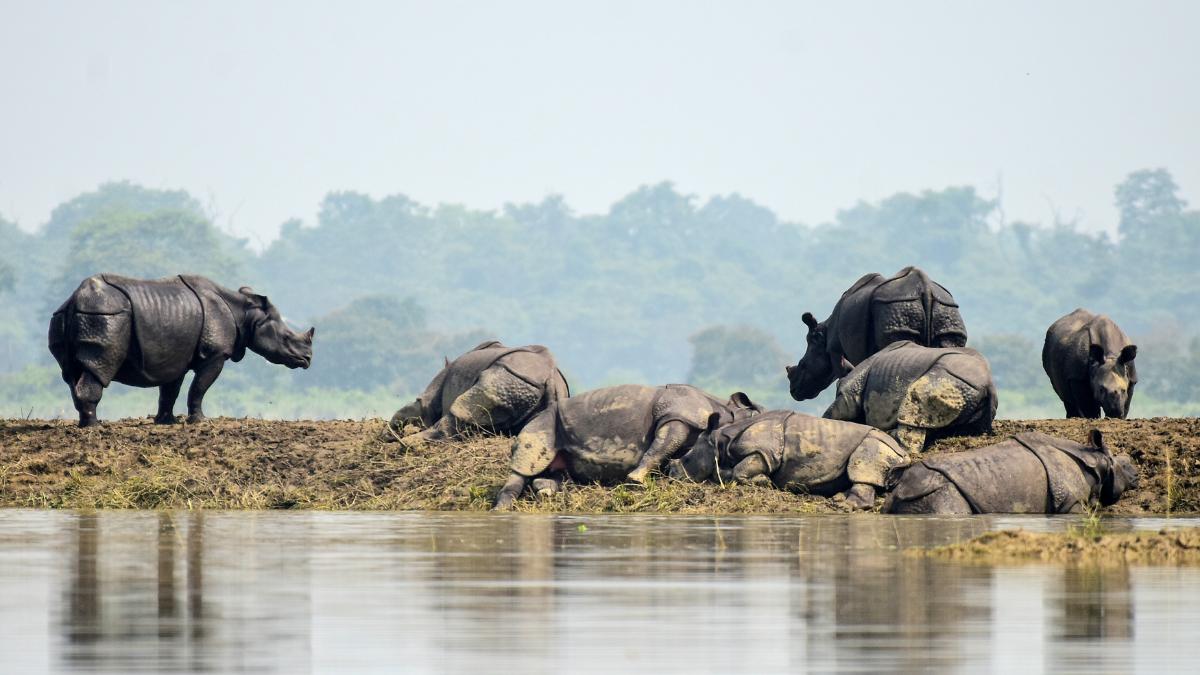
Strict anti-poaching operations in Kaziranga, Pobitora, and Manas have helped populations recover. But flooding of the Brahmaputra threatens the habitat annually. While rhino populations have made a comeback thanks to strict protection, their low-lying habitats face frequent flooding and land-use change, posing a continuing vulnerability.
Forests Where They Are Found in India
The Greater One-Horned Rhinoceros, also known as the Indian Rhinoceros, inhabits the tall alluvial grasslands and riverine (floodplain) forests along major rivers such as the Brahmaputra and its tributaries, as well as the Terai region of the Ganga–Brahmaputra floodplains.
✅ Forest Types Where the Rhino is Found
| Habitat / Forest Type | Key Features | Why Rhinos Prefer These Areas |
|---|---|---|
| Alluvial Floodplain Grasslands | Dense tall elephant grass, seasonal flooding | Excellent grazing habitat |
| Riverine / Riparian Forests | Woodland along riverbanks | Essential for resting and security cover |
| Swampy Marshes & Wetlands | Muddy wetlands with shallow water | Helps regulate body temperature and provides minerals from mud |
Protected Areas / Forest Regions Where Rhinos Are Found
| State | Protected Area / Forest Region | Habitat Description |
|---|---|---|
| Assam | Kaziranga National Park (largest population globally) | Tall elephant grass, Brahmaputra floodplains |
| Assam | Pobitora Wildlife Sanctuary (highest density in the world) | Alluvial grasslands and marshes |
| Assam | Orang National Park | Riverine forests along Brahmaputra |
| Assam | Manas National Park (UNESCO site) | Himalayan foothill forest + savanna grasslands |
| West Bengal | Jaldapara National Park (second largest population in India after Kaziranga) | Dooars floodplain grasslands along the Torsa River |
| West Bengal | Gorumara National Park | Grassland + riverine forest along Murti River |
| Uttar Pradesh | Dudhwa National Park (Terai belt) | Swampy grasslands and riverine forests |
| Bihar (historical + reintroduction efforts) | Valmiki Tiger Reserve | Terai riverine forest along Gandak River |
Importance of West Bengal Forests
The Dooars region of North Bengal — especially Jaldapara and Gorumara — is one of India’s most successful rhino conservation zones after Assam. Both parks consist of:
- Terai–Duars grassland ecosystems
- Alluvial plains
- Elephant-grass dominated savannas
These forests act as a crucial east-west corridor between India and Bhutan for wildlife movement.
Quick Summary
Greater One-Horned Rhinos live primarily in the alluvial grasslands, riverine forests, and wetland systems of Assam, West Bengal (Jaldapara & Gorumara), and the Terai region (Uttar Pradesh).


4. Asiatic Lion (Panthera leo persica)
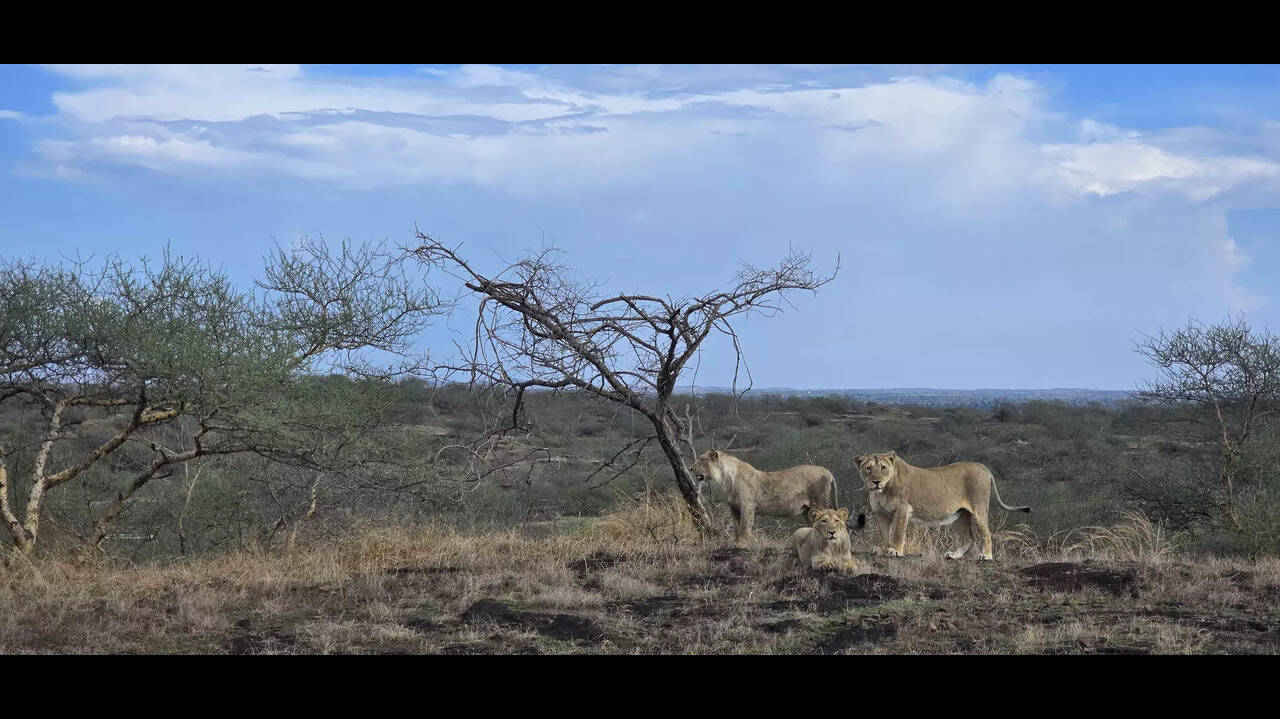
Habitat: Gir Forest and surrounding savannah scrub.The dry deciduous and scrub woodlands of Gir Forest National Park, Gujarat — the only natural home for Asiatic lions.
Condition: The lion population is improving, yet all animals are confined to a single region. That makes them highly vulnerable to disease outbreaks, habitat loss around Gir, and lack of dispersal options.
Status of Habitat: Overcrowded and restricted
India is the only home of the Asiatic lion. The population is rising, but all lions are confined to a single habitat in Gujarat, making them vulnerable to disease outbreaks.
Forests Where They Are Found in India
The Asiatic Lion, once widespread across West Asia and northern India, now survives only in one region of the world — the state of Gujarat, India.
Current Wild Habitat (Only Natural Habitat Remaining)
| Region / Forest | Location (State) | Habitat Type |
|---|---|---|
| Gir Forest (Gir National Park & Wildlife Sanctuary) | Saurashtra, Gujarat | Dry deciduous forests, savanna grasslands, and thorn scrub forests |
Gir Forest is the last and only natural habitat of Asiatic lions globally.
Extended Lion Habitat in Gujarat (beyond Gir)
Due to growing lion population, they have expanded into surrounding forest divisions, including:
| Forest Area | Habitat Description |
|---|---|
| Girnar Wildlife Sanctuary | Rocky hills, dry deciduous forest |
| Paniya & Mitiyala Wildlife Sanctuaries | Grassland and scrub forests |
| Coastal forest belt (Amreli & Bhavnagar districts) | Mangrove patches and coastal grasslands |
Lions are adapting to multiple landscapes, including farmlands and coastal areas, while still depending on core forest zones.
Habitat Characteristics of Asiatic Lion Forests
- Tropical dry deciduous forests
- Open scrub forests
- Savanna-like grasslands
- Riverine patches and seasonal streams
Gir is not a dense jungle like tiger habitats — the open forest structure helps lions hunt in groups (prides).
Quick Summary
The Asiatic Lion is found only in the dry deciduous, scrub, and grassland forests of the Gir landscape in Gujarat, India.


5. Snow Leopard (Panthera uncia)
Habitat: High-altitude Himalayas (Ladakh, Uttarakhand, Himachal, Sikkim)
Status of Habitat: Climate-threatened
Warming temperatures are shifting tree lines up the mountains, shrinking alpine zones, and reducing natural prey.
Forests and Habitats Where They Are Found in India
The Snow Leopard is one of the rarest and most elusive big cats. In India, it lives not in dense forests, but in high-altitude alpine and sub-alpine ecosystems of the Himalayan and trans-Himalayan regions.
Habitat / “Forest” Types (Technically Not Tropical Forests)
| Habitat / Ecosystem Type | Altitude Range | Description |
|---|---|---|
| Alpine scrub and meadows | 3,000 – 5,500 meters | Cold, rugged terrain; rocky cliffs; sparse shrubs |
| Sub-alpine conifer forests | 2,700 – 3,500 meters | Patchy forests of fir, juniper, birch, and rhododendron |
| Cold deserts / high mountain plateaus | 3,500+ meters | Snowfields, grasslands, barren rocky slopes |
Snow leopards avoid dense forests.
They prefer open, steep terrain where they can stalk prey such as blue sheep (bharal) and ibex.
States / Protected Areas in India Where Snow Leopards Are Found
| State / Union Territory | Key National Parks / Reserves / Landscapes |
|---|---|
| Ladakh | Hemis National Park (highest snow leopard density), Changthang Wildlife Sanctuary |
| Jammu & Kashmir | Kishtwar National Park, Overa-Aru Wildlife Sanctuary |
| Himachal Pradesh | Pin Valley National Park, Great Himalayan National Park, Kibber Wildlife Sanctuary (Spiti Valley) |
| Uttarakhand | Nanda Devi Biosphere Reserve, Gangotri National Park, Askot Wildlife Sanctuary |
| Sikkim | Khangchendzonga National Park |
| Arunachal Pradesh | Dibang Wildlife Sanctuary (recent sightings), Upper Siang region |
Altitude + Landscape Preference
Snow leopards typically inhabit:
- Rocky ridges and cliffs
- Snow-covered ravines
- Alpine meadows and high-altitude grasslands
They are often referred to as the “Ghost of the Mountains” due to their camouflage and elusiveness.
Quick Summary
Snow Leopards are found in India’s high-altitude alpine scrub, sub-alpine conifer forests, and cold desert ecosystems across Ladakh, J&K, Himachal Pradesh, Uttarakhand, Sikkim, and Arunachal Pradesh.


Habitat: High-altitude alpine terrain, rocky cliffs and cold deserts of the Himalayas.
Condition: Climate change is dramatically altering Alpine ecosystems: rising tree lines, diminishing snow cover and shrinking prey bases threaten snow leopard habitats, making conservation increasingly complex and urgent.
6. Indian Bison / Gaur (Bos gaurus)
Habitat: Western Ghats, Central India, Northeastern forests
Status of Habitat: Shrinking and fragmented
Habitat fragmentation from mining and plantations is pushing gaurs into village farmlands, causing conflict.


Habitat: Tropical evergreen and semi-evergreen forests of the Western Ghats, Central India and Northeast.
Condition: Gaur habitats are shrinking due to mining, plantations and infrastructure expansion. As these large bovines lose forest area, they increasingly come into conflict with agricultural communities at the forest fringe.
7. Sloth Bear (Melursus ursinus)
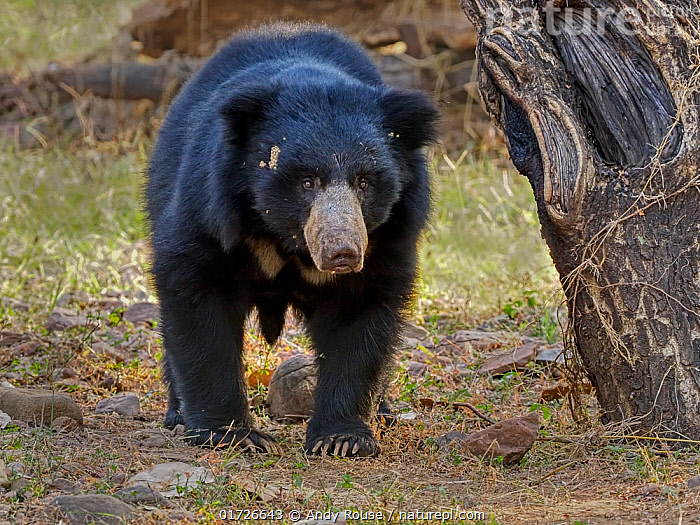
Habitat: Dry forests, grasslands, rocky terrain of Central and Southern India.Dry deciduous forests, rocky terrain and scrublands in Central and Southern India.
Status of Habitat: Declining due to encroachment
Denning sites are disturbed by quarrying and forest clearing for agriculture.
Condition: Encroachment from quarrying, forest clearing for agriculture, and loss of denning sites are undermining stable sloth bear habitats. Conservation efforts need to focus on preserving key forest patches and connectivity.


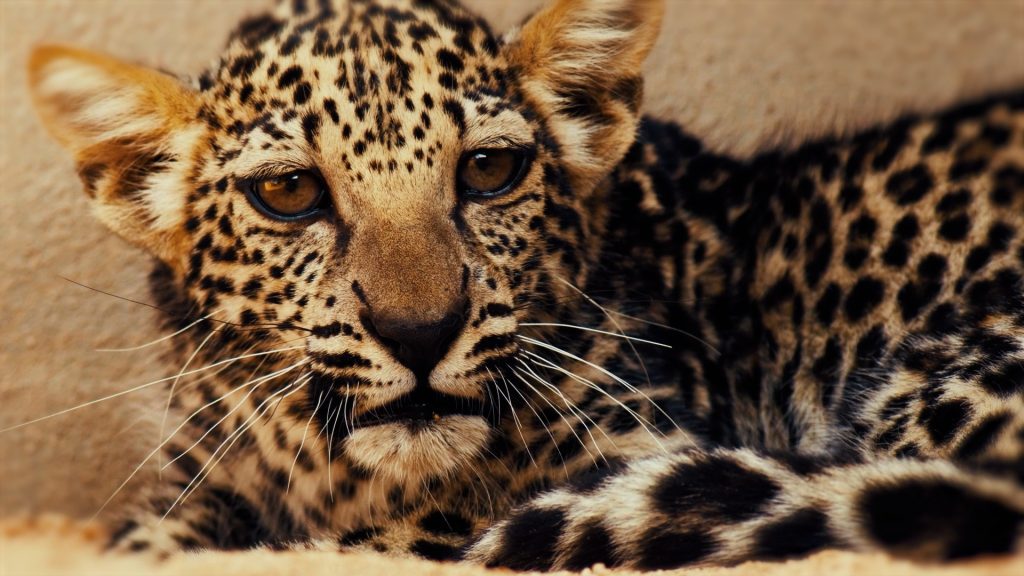
8. Leopard (Panthera pardus fusca)
Habitat: All major forest types; highly adaptable. Highly adaptable: from dense forests to dry scrub and even ultra-urban fringes.
Condition: While leopards are surviving better than many large mammals, they face mounting conflict in peri-urban zones, roadkills, and habitat fragmentation. Long-term survival depends on conflict mitigation and secure green space.
Status of Habitat: Fragmented but species adapting
Leopards live near human settlements and even urban fringes. While numbers are stable, conflict and accidents are increasing.




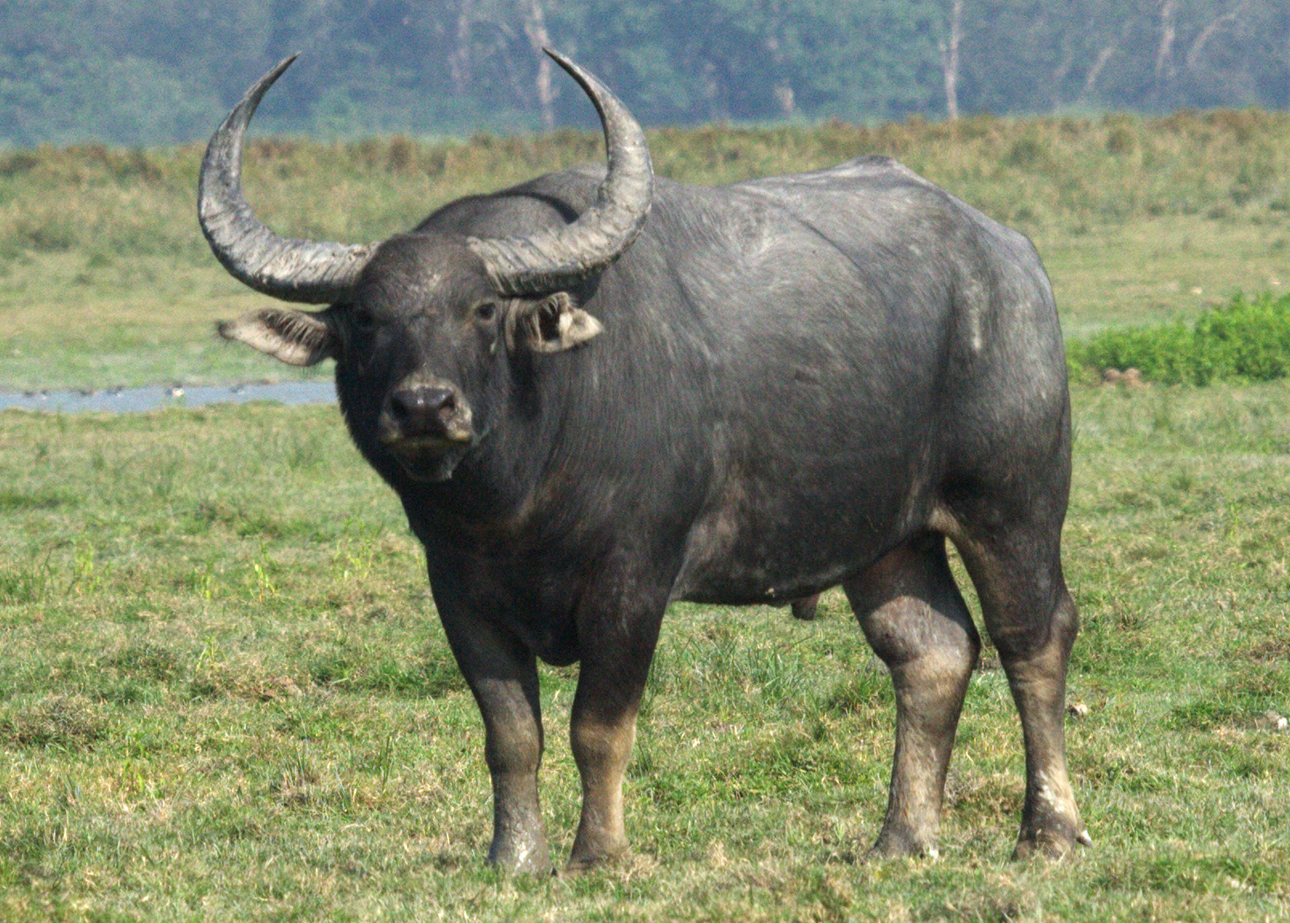
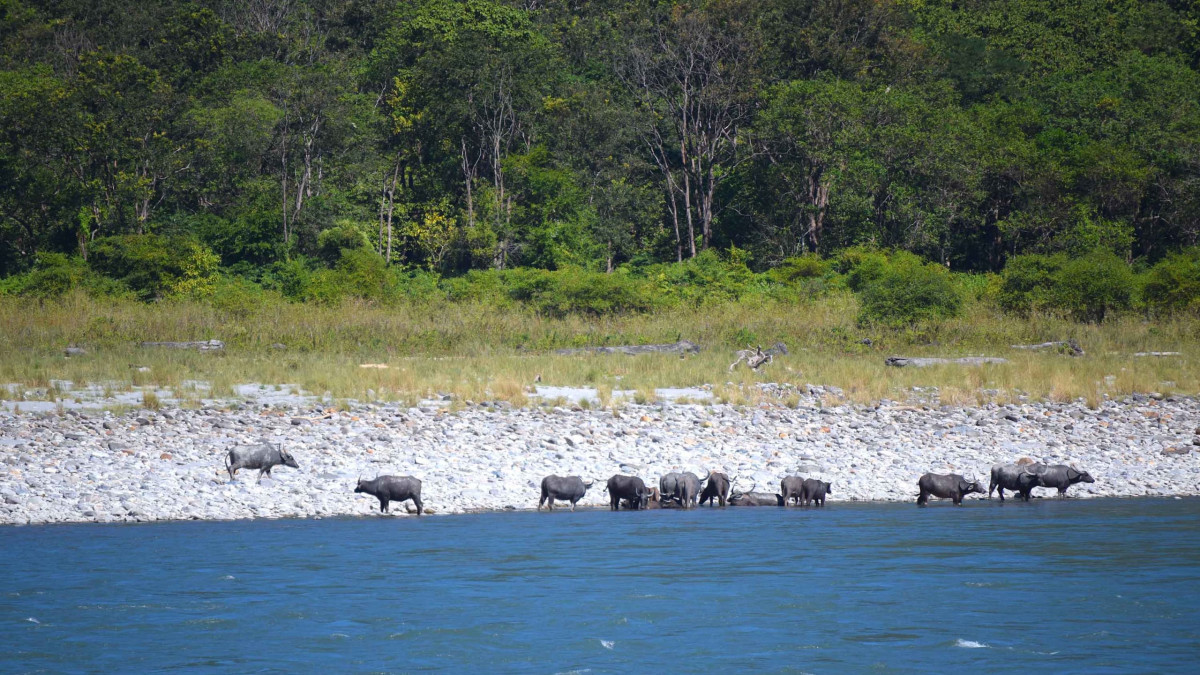
9. Wild Water Buffalo (Bubalus arnee)
Habitat: Assam and Chhattisgarh wetlands and grasslands. Riverine wetlands, grasslands and marshes — especially in Assam and Chhattisgarh.
Status of Habitat: Critically endangered habitat
Wetlands are rapidly disappearing due to agriculture, hydropower projects, and cattle interbreeding.
Condition: The species is critically endangered in the wild due to loss of wetland habitats, hydropower projects, and hybridisation with domestic buffaloes. Protecting core wetland mosaics is vital.



10. Indian Wild Ass (Equus hemionus khur)
Habitat: The Rann of Kutch desert ecosystem.The stunning saline deserts and grasslands of the Rann of Kutch in Gujarat.
Condition: Once near extinction, the Indian Wild Ass has seen a recovery thanks to protected area management. However, industrial activity, salt mining and habitat disturbance remain threats to its narrow range.
Status of Habitat: Recovering
Once near extinction, the population has rebounded due to protected habitat. Industrial activity and salt mining remain threats.
Ensuring biological corridors, sustainable land use, and local community participation is critical. India stands at a crossroads — development is needed, but if done without ecological planning, the nation risks losing the very wildlife that makes it unique.


🌿 Final Thoughts
India’s large wild animals stand as beacons of ecological richness — but their habitats are under pressure.
Protecting them means more than anti-poaching: it means preserving corridors, maintaining natural ecosystems, balancing development and nature, and engaging local communities.
***Each image above is selected from repositories offering free-to-use (CC0 or public domain) content. Few are from the editorial team contribution***

