








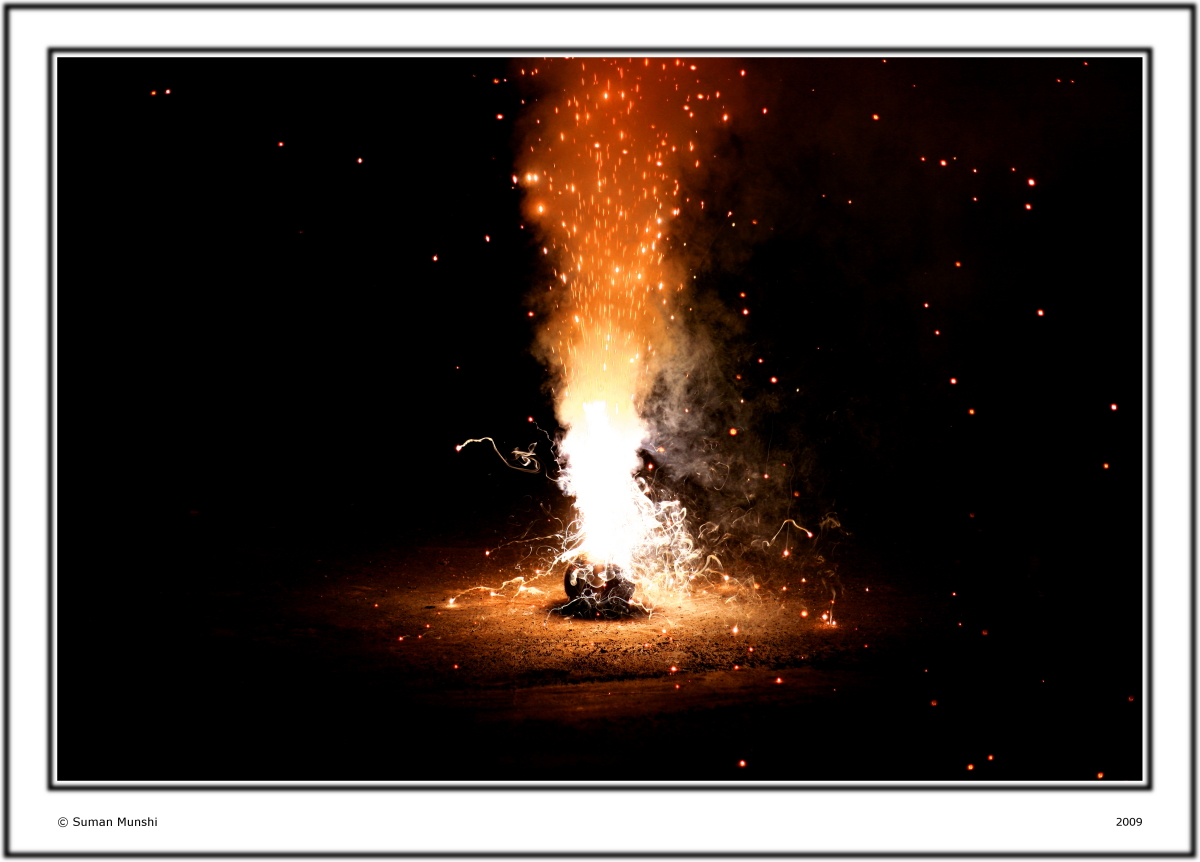
Under Pakistani society, minorities like Hindus and Sikhs may be under extinction, but Balochistan, which never accepted Pakistan as its legitimate ruler, tried to preserve the Hindus as their integral part of its society. Here’s a summary of what we found on the history and current status of Diwali in the province of Balochistan (in present-day Occupied by Pakistan). The documentation is somewhat limited, but enough to sketch out key themes of how the festival is observed, its cultural context, and how things have changed.
1. The Hindu community in Balochistan
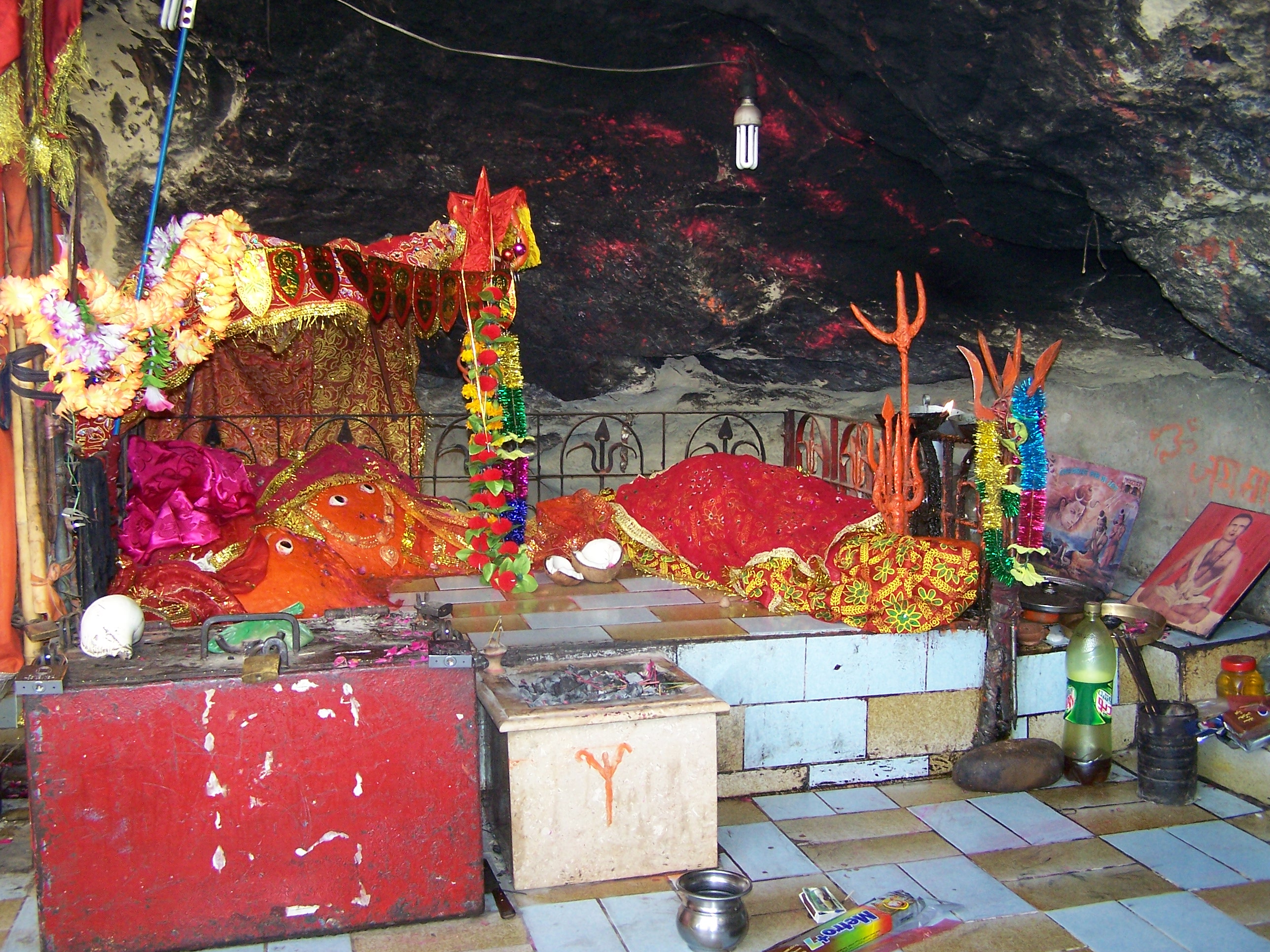
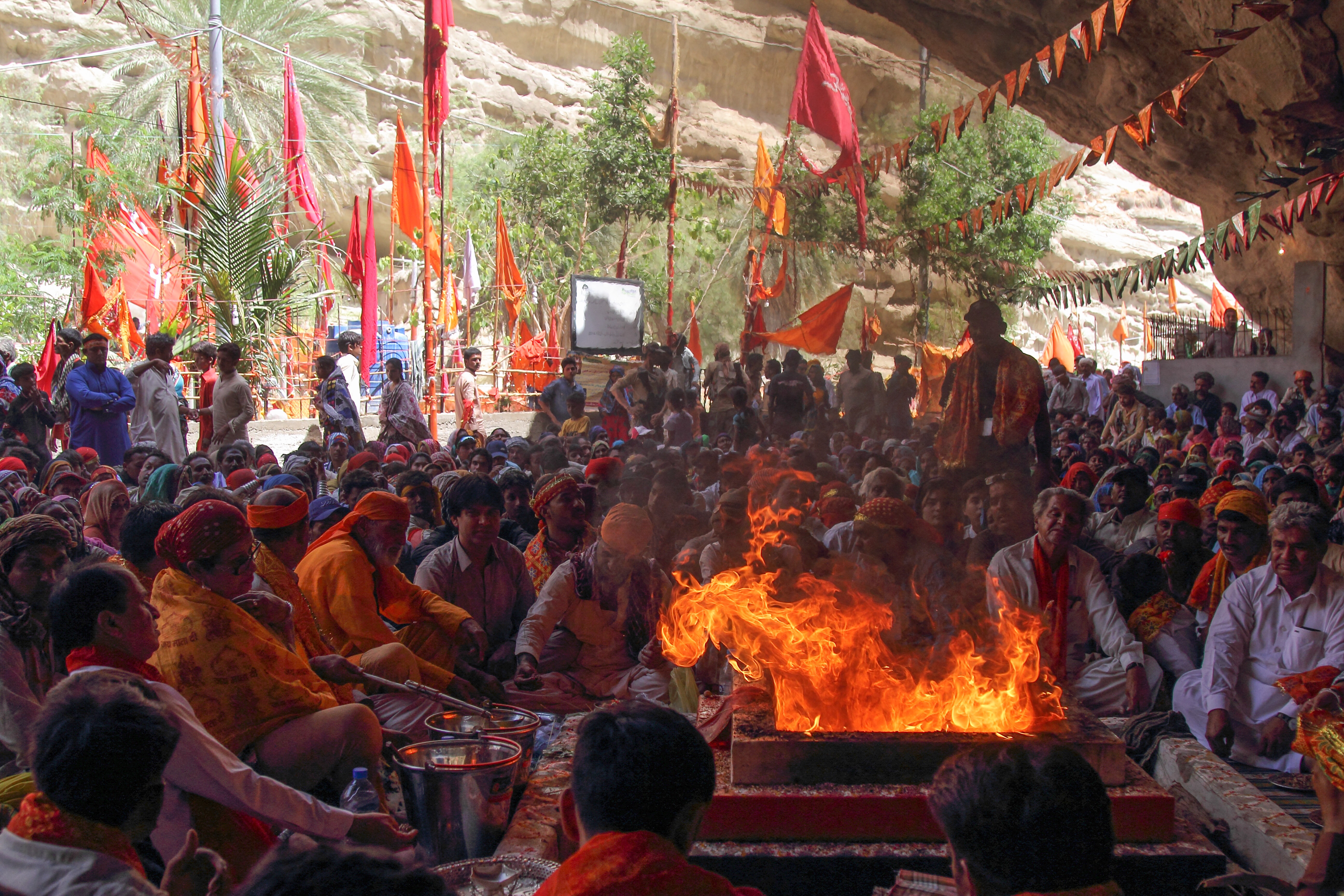

- Hinglarj Maata Temple
- There is a longstanding Hindu minority presence in Balochistan, including towns like Chaman (near the Afghan border) whose name itself is derived from a Hindu fruit‐trader before Partition.
- The article “Hindu Festivities in Balochistan” notes that the Hindu community has celebrated festivals openly, including Diwali, with lighting of lamps, fireworks and prayers.
- Temples such as Hinglaj Shrine in Lasbela and the Kali Devi Temple, Kalat in Kalat are cited in that context as part of the religious fabric.
Thus, we can say the festival is rooted in the Hindu communities of the region and forms part of their religious‐cultural observance.
2. How Diwali is/was celebrated in Balochistan



From the sources:
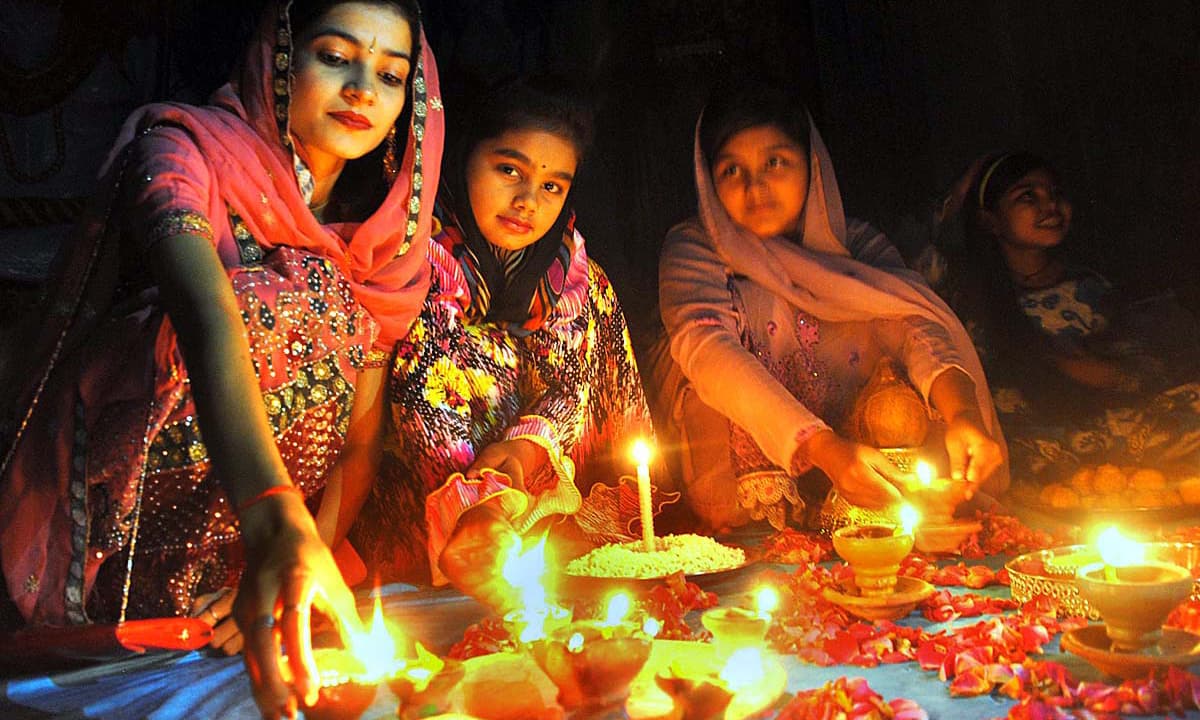
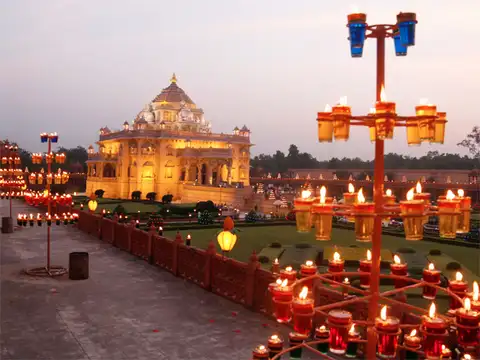
- The “Hindu Festivities in Balochistan” piece says: “Diwali, celebrated in late October or early November, is the Hindu New Year. … The celebrations are marked with fireworks, festive meals and exchange of sweets and gifts. During the celebrations … temples, homes, shops and office buildings are brightly decorated with lights.”
- In Pakistan broadly (including Balochistan) news reports show Hindus lighting earthen lamps (“diyas”), visiting temples, offering prayers for peace, and celebrating with sweets/gifts.
- From a policy‐perspective: The provincial government of Balochistan has declared public holidays for Diwali (for Hindu government employees) and ensured salaries are disbursed in advance to facilitate celebration. E.g., for 2024: holidays from Oct 31 to Nov 2.
Thus, the pattern is: the festival is celebrated by lighting lamps, decorating, prayers, sweets/gifts, and is recognized by authorities for the Hindu minority.
3. Historical context & changes




While there is less detailed archival material specific to Balochistan’s Hindus celebrating Diwali over centuries, some points:
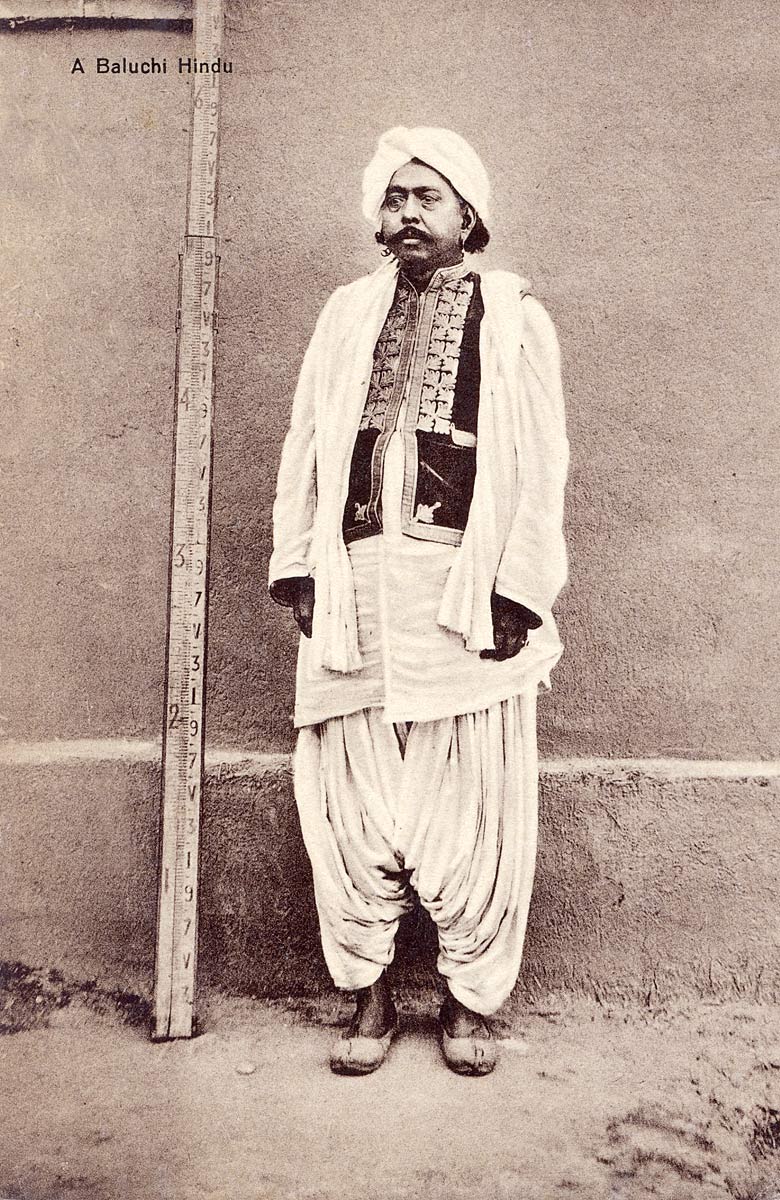
- The Reddit post quoting the 1911 Census of Baluchistan Province notes: “Proverbially elastic though the term is, Hinduism is stretched almost to breaking point in Baluchistan. … it almost looks as if the singular freedom from persecution which the old Hindu families have always enjoyed at the hands of their Musalman over-lords had given Islam greater scope to impart its subtle influence to their inward beliefs and outward practices.”
This indicates that the Hindu community has been long established but with changing social dynamics. - The article “Hindu Festivities in Balochistan” suggests that Balochistan provides “complete freedom for this community to celebrate [festivals] to the fullest.”
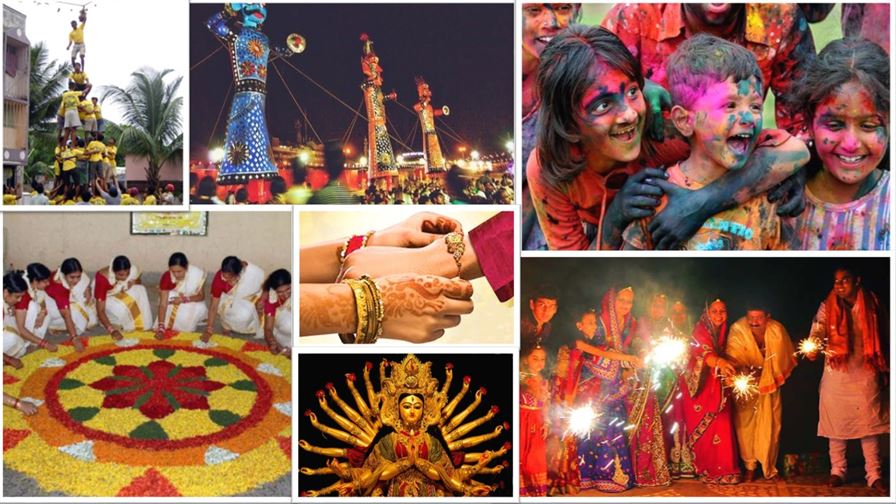
While that may be the stated view, the reality of minority communities in Pakistan is more complex historically (but that’s broader context). - The presence of old temples and celebration of festivals such as Dussehra and Diwali hint at an era when public festival culture was more extensive. One Reddit user says: “There was a time when Balochistan witnessed Dussehra celebrations in a grand way. Just look at the crowd, this photo is from the 1930s.”
While this is anecdotal/unverified, it suggests that before Partition and/or in early decades, Hindu festivals may have had larger public spaces. - Contemporary recognition by the government (holidays, advance salaries) is relatively recent. For example in 2020 the Balochistan Chief Minister ordered advance salary release for Hindu community employees ahead of Diwali.
Thus, we see a trajectory: longstanding community, festival activities continuing albeit among a smaller community, and increasing formal recognition in recent years.
4. Significance and current relevance


- For the Hindu minority in Balochistan the festival is a key religious‐cultural anchor: a time of light over darkness, communal celebration, prayers for peace and prosperity (as widely across Hindu tradition). (See: “festival of lights”, etc.) (SUCH TV)
- For the province’s governance and inter‐faith context: The fact that the provincial government declares holidays and facilitates salary disbursement is a gesture towards religious inclusion and minority rights. (See 2024 holiday announcement) (ProPakistani)
- The festival thus functions both as a community’s religious observance and as a symbol of cultural pluralism in a region often associated with homogeneous narratives.
5. Gaps / open questions
- I did not find detailed historical studies specific to Diwali in Balochistan going back, say, centuries (e.g., how it was celebrated regionally, how the Hindu population changed, how local tribal/social dynamics affected it).
- The size of the Hindu community and how their festival practices have evolved (pre‐Partition vs. post‐Partition) in Balochistan needs more archival research.
- There is limited documentation on whether Diwali used to be celebrated with large public gatherings in Balochistan (compared to Sindh or Punjab) and how those have changed over time.
- Also, how local Baloch cultural influences (tribal, Islamic majority context) have shaped how Hindus in Balochistan observe the festival (e.g., any syncretic practices) is under-documented.
6. Summary
In summary:
- Diwali is celebrated by the Hindu minority in Balochistan with the usual religious and cultural markers (lamps, fireworks, sweets, temple visits).
- The community has longstanding roots in the province, and their festival observances are part of their identity.
- In recent times, the provincial government has given formal recognition (holidays, salary advance) which helps the community.
- Historically, while the Hindu population has dwindled and many social changes have occurred, the festival continues to be a living tradition in Balochistan.
- More detailed historical work would help deepen understanding of how the festival’s practice has changed over time in that region.
Here is a detailed timeline (as best as currently available) of the history of Diwali (and related festivals) among the Hindu community in Balochistan (present-day Pakistan), noting significant shifts and documented stages. Because the archival record is sparse, especially for Diwali specifically, I’ve drawn on related material (Hindu community in Balochistan, temples, festivals like Dussehra) to provide context and highlight gaps.
Timeline & Historical Phases
Ancient / Early era (pre-7th century AD)
- The region that is now Balochistan reportedly included Hindu rulers such as the Sewa dynasty who are said to have ruled parts of Balochistan up until the 7th century. (Wikipedia)
- Hindu and other non-Islamic faiths left cultural imprints; for example the shrine of Hinglaj Mata Temple is regarded as a Shakti Peeth in Lasbela district of Balochistan. (India Policy Foundation)
- While there is no specific archival mention of Diwali from this early era in the region, the presence of Hindu communities suggests that festivals like Diwali likely had a local form (though undocumented) in those centuries.
Colonial era (Late 19th century to early 20th century)
- During British-India times, Balochistan (then the Baluchistan Agency / Province) had significant Hindu populations. For example, the 1911 Census recorded around 38,326 Hindus in the province (≈4.6 %). (Wikipedia)
- According to one article, the Hindu community in Balochistan celebrated festivals including Diwali: “Diwali … is the Hindu New Year. … The celebrations are marked with fireworks, festive meals and exchange of sweets and gifts. During the celebrations … temples, homes, shops and office buildings are brightly decorated with lights.” (Voice of Balochistan)
- The same source notes Dussehra was famously celebrated, including in places like Quetta: “A rare visual record… from 1931 … captured a towering, many-headed effigy prepared for the Dussehra festival.” (India Today)
- These indicate that in the early 1900s, Hindu festival culture (including Diwali/Dussehra) was active, public and visible in parts of Balochistan.
Partition & early Pakistan era (mid-20th century)
- The partition of British India in 1947, and the subsequent accession of the princely states (e.g., Kalat) changed demographics and cultural dynamics. One article states: “From 14.6 percent in 1941, the Hindu population in different parts of Punjab, Multan, Sind and Balochistan was reduced to just 2.17 percent in later decades.” (India Today)
- The article also writes: “The Dussehra itself is no longer observed in Quetta. The Hindu community is tiny and apprehensive.” (India Today)
- This suggests the festival culture (public celebrations) started to shrink in scale and visibility after Partition and the associated migrations, security concerns, and social changes.
Late 20th century to early 21st century
- Documentation becomes scarcer for detailed festival practice in this period, but some general observations exist:
- The 2013 “Hindu Vishwa” magazine observes that many Hindu families were migrating from Balochistan due to law-and-order issues; this likely affected festival observance. (hinduvishwa.org)
- Issues of forced conversions, abductions of Hindu community members in Balochistan in 2010-12 were reported — this would naturally impact community morale and public cultural expression. (The Indian Express)
- So while Diwali (and other festivals) likely continued in private/home/temple settings, the large communal/public festival forms diminished.
Recent years & current era
- The Hindu community in Balochistan continues to observe Diwali and other festivals, as reported: “Diwali … celebrated in late October or early November … The celebrations are marked with fireworks, festive meals and exchange of sweets and gifts. … Balochistan provides complete freedom for this community to celebrate them to the fullest.”
- In 2024, the provincial government of Balochistan formally declared a public holiday for Diwali (Oct 31–Nov 2) for Hindu government employees and advanced disbursed salaries, signalling formal recognition of the festival.
- Temple restoration efforts: e.g., a ~200-year-old temple in Zhob was returned to the Hindu community after ~70 years in 2020. (The News)
- These developments suggest a resurgence (or at least a formal-recognition phase) of Hindu festival observance, including Diwali, albeit within a smaller community and perhaps less public spectacle than in the colonial era.
Key Observations & Insights
- Shrinking scale: The size and visibility of Hindu festival celebrations (including Diwali/Dussehra) in Balochistan appear to have shrunk significantly since the early 20th century, due to demographic change (migration), social/political pressures, and security concerns.
- Syncretism & local flavour: Balochistan’s Hindu community appears to have had a somewhat distinct form of Hindu practice, influenced by local tribal/cultural patterns. For example, census commentary mentions: “It almost looks as if the singular freedom from persecution … had given Islam greater scope to impart its subtle influence to their inward beliefs and outward practices.”
That suggests local festival practices may have had unique features (though detailed description of Diwali locally is lacking). - Continuity & resilience: Despite the decline in public scale, the Hindu community has maintained festivals like Diwali into present day (celebrations with lamps, sweets, temple visits) in Balochistan.
- Formal recognition & inclusion: Recent government steps (holiday declarations, temple restorations) point to growing acknowledgement of minority religious festivals and culturally inclusive policy in the province.
- Gaps in scholarship: There is very limited detailed academic research specifically on Diwali’s ritual history in Balochistan (dates, regional variants, evolution). Many references are journalistic or community-based. This leaves open many lines of enquiry (see next section).
Open Questions & Research Gaps
- How exactly did Diwali (and its five-day ritual structure) evolve in Baloch-Hindu communities (versus North Indian models)? Did the local community adopt the full standard pan-Indian Diwali rituals, or develop adapted rituals?
- What was the nature of public/communal Diwali celebrations in towns like Quetta, Kalat, Las Bela in the early 20th century (before 1947)? Are there archival photographs, temple records, oral histories?
- How did Partition and subsequent migrations affect the festival calendar, temple infrastructure, and local community networks for festival organising?
- How do local tribal/ethnic Baloch/Hindu communities interpret Diwali? Are there layered practices combining tribal traditions + Hindu festival forms?
- What has been the impact of security, forced conversions, migration on festival performance (e.g., lighting fireworks, public processions) in recent decades?
- How are younger generations in Balochistan’s Hindu minority engaging with Diwali — how has the public/private boundary shifted?
- What is the role of temples (like Hinglaj Mata, Kali Devi at Kalat, Shri Krishna Mandir at Gwadar) in supporting festival observance (including Diwali) within the province?
- Are there specific Balochistan-only artefacts / practices for Diwali (e.g., local sweets, local lighting traditions, communal gatherings) that differ from broader Indian sub-continent norms?
Proposed “Detailed Timeline Snapshot”
| Era | Approx. Time | Key Features for Diwali/Related Festivals in Balochistan |
|---|---|---|
| Ancient / Pre-Islamic | up to ~7th century | Hindu rule (Sewa dynasty), temples such as Hinglaj already existent; likely early festival forms. |
| Colonial era | Late 19th – 1947 | Active Hindu population in towns; public festivals (Dussehra & likely Diwali) in Quetta etc. (India Today) |
| Partition & early Pakistan | ~1947-1970s | Dramatic demographic shifts; migration; public festival scale reduces; temples may get repurposed. |
| Late 20th / Early 21st | 1980s-2010s | Festivals continue privately/at temples; community under pressure (security/migration) (The Indian Express) |
| Recent era | 2010s-present | Formal recognition of Diwali (holidays) in Balochistan (Aaj English TV) ; temple restitutions; smaller scale but public acknowledgement. |
Why this history matters
- It shows the continuity of cultural and religious identity of Hindu minorities in a region often viewed mono-religiously.
- It highlights how festivals like Diwali serve as markers of belonging and community resilience in minority contexts.
- The evolution of Diwali’s observance in Balochistan illustrates how political, demographic, and social change (Partition, migration, minority rights issues) influence ritual practice and public culture.
- The recent recognition of Diwali by the provincial government indicates shifts in governance, minority policy, and social pluralism in Balochistan.