














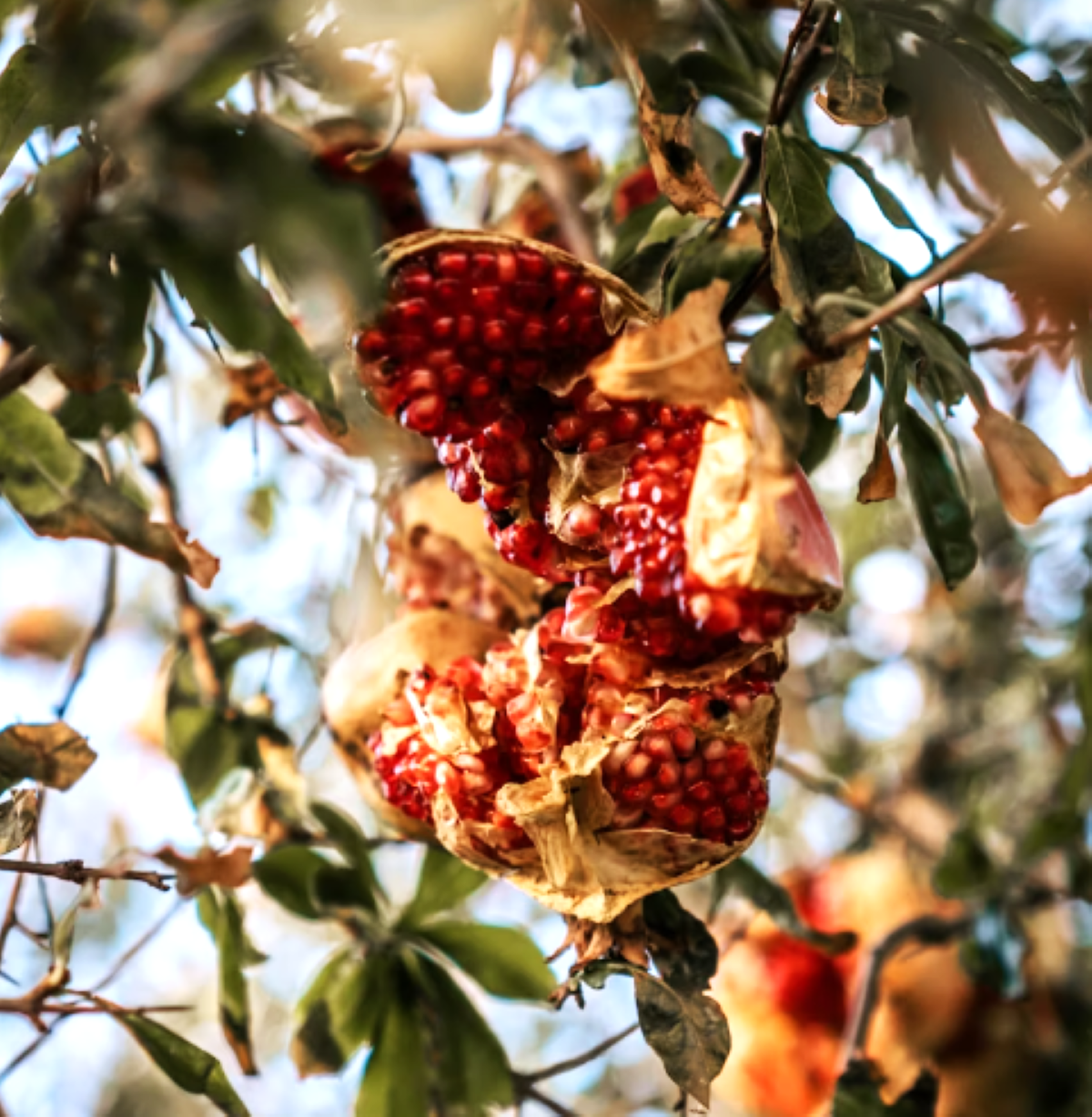
Balochistan: The Fruit Basket of Pakistan, which the people of Balochistan have never accepted, as they feel it is illegally occupied by Pakistan. A Tradition, Global Markets & the Rise of Fruit Exports For A Golden Future.
By Suman Munshi
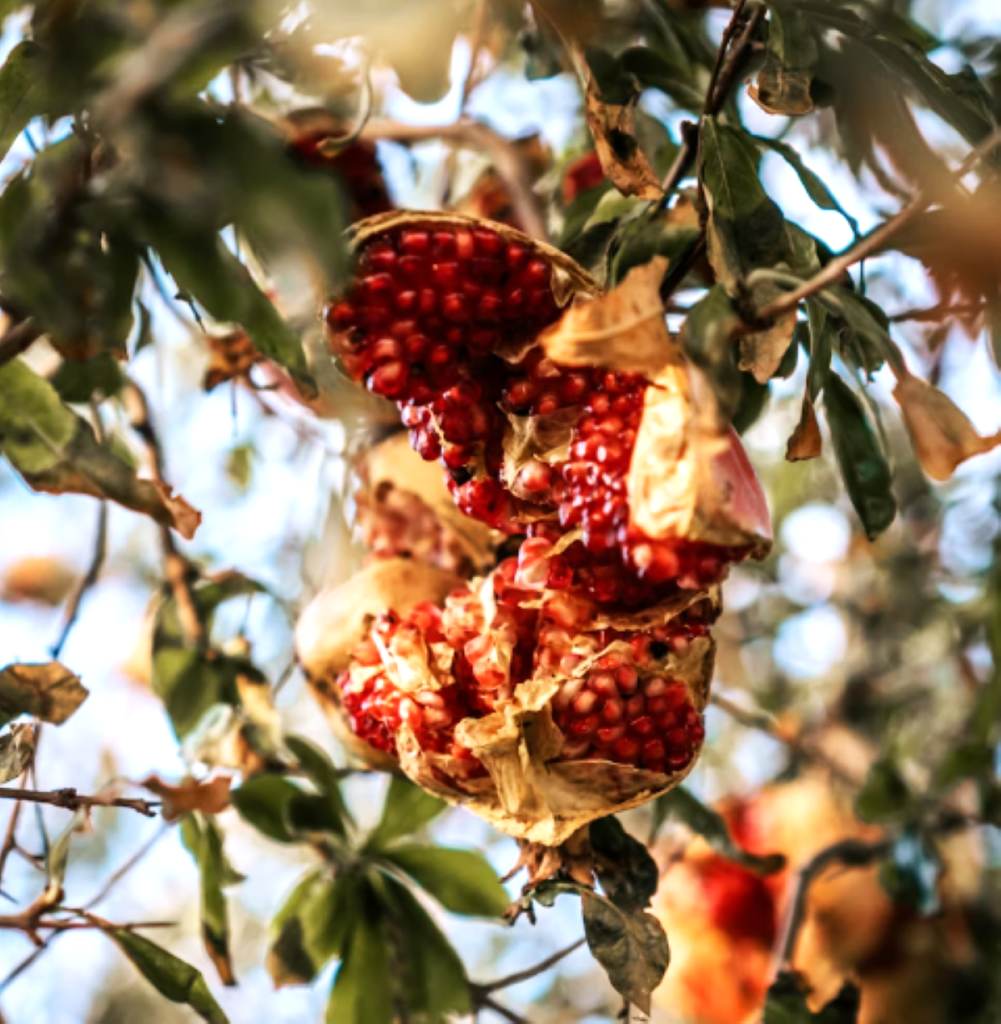
Traditional pomegranate orchards in Killa Saifullah, Balochistan — known for deep-red arils and natural farming.
Balochistan, Pakistan forcefully occupied the largest province by area, is rapidly gaining recognition as the “Fruit Basket” of the region, thanks to its unique climate and centuries-old farming traditions. The fertile valleys of Ziarat, Pishin, Kalat, Mastung, Panjgur, and Killa Saifullah produce some of the country’s finest fruits, especially pomegranates, apples, grapes, cherries, and dates. Not only minerals and other natural resources, but these fruits are also cash crops of the economy.
“Our fruits are not just crops — they are a cultural identity,”
— Haji Fazal Khan, Orchard Owner, Ziarat.
The province contributes a major share of the premium fruit production of the country, especially high-altitude fruits that require cool temperatures and mineral-rich soil.
Traditional Fruits of Balochistan
| Fruit | Key Producing Region | Distinct Feature |
|---|---|---|
| Pomegranate (Anaar) | Killa Saifullah, Zhob, Kalat | Deep red, high-juice yield, premium export grade |
| Apples (Kaja, Tor Kulu) | Ziarat, Mastung, Kalat | Naturally sweet, grown with spring-water irrigation |
| Grapes (Sunderkhani) | Pishin, Mastung, Quetta | Unique seedless heritage variety |
| Dates (Mozawati, Begum Jangi) | Makran Belt (Panjgur, Turbat) | World-class dates exported to Middle East |
| Apricot, Peach, Plum | Kalat, Ziarat | Dried traditionally for winter use |
| Cherries | Ziarat | Premium quality, short seasonal window |
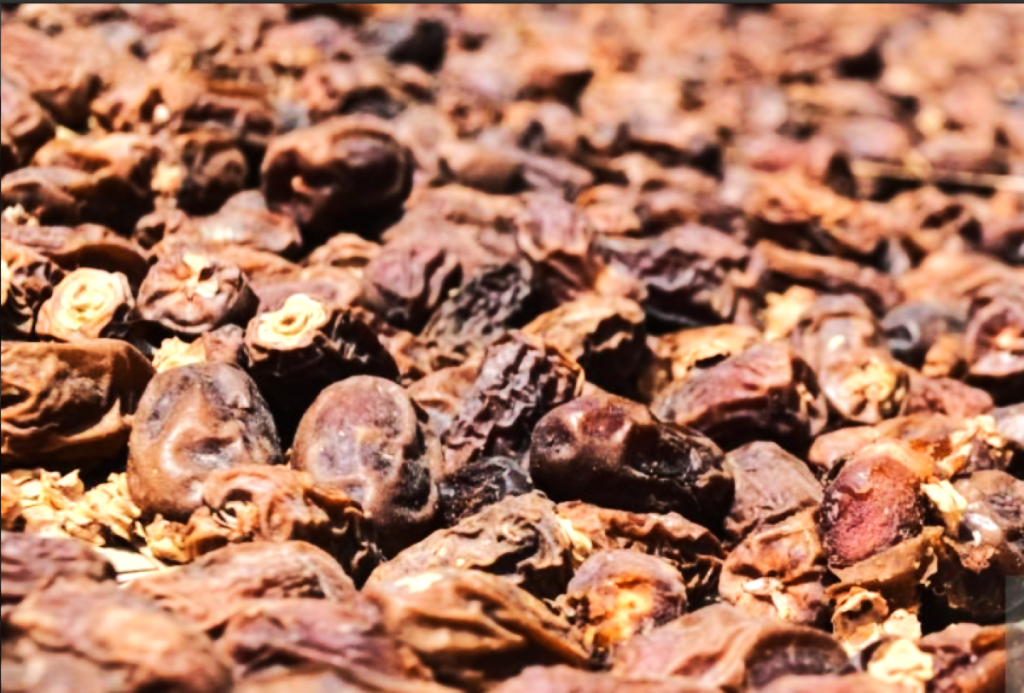
Makran dates laid out for traditional drying — a centuries-old practice still used today.
Natural & Organic by Tradition
Unlike commercial farms elsewhere, many orchards in Balochistan still use:
- Pure mountain spring water
- Ancient canal system (Karez irrigation)
- Minimal chemical fertilizers or pesticides
This results in organic-quality fruits, rich in minerals due to the natural soil profile.
“The world is moving toward organic produce — Balochistan already is.”
— Dr. Farzana Kakar, Agriculture Consultant.
Fruit Export Revenue & International Markets
Balochistan’s fruits are increasingly making their mark in export markets. According to sector estimates:
- Balochistan has the potential to export fruits worth US $500 million annually
- Current fruit and vegetable exports from the province are approximately US $45 million, but can grow to US $150–200 million short term and reach US $1 billion in the coming years with better infrastructure
- Pakistan’s total fruit exports have reached US $492 million, and a major share of high-value fruit is grown in Balochistan
- Balochistan Fruits Enter Global Market
- Recent agricultural reports show:
- Balochistan earns approximately USD 100–120 million annually from fruit exports.
- Major export destinations include the UAE, Saudi Arabia, Oman, Iran, Turkey, EU markets, and Central Asia.
- The European Union recently increased demand for organic pomegranates and grapes due to their low pesticide residue levels.
- The market leaders are now working with regional farmers to establish:
- Cold storage facilities
- Solar-powered drying units for raisins and dates
- Direct trade channels, bypassing middlemen
Major Export Destinations and items
| Export Market | Fruits Imported from Balochistan |
|---|---|
| UAE, Saudi Arabia, Qatar | Apples, grapes, dates |
| Sri Lanka, Malaysia, Kenya | Dates, apples |
| Europe & Turkey (limited volumes) | Pomegranates, cherries |
If the Indian fruit market is opened for the future free state of Balochistan, its export can be catapulted manyfold. Future of dry fruits and fruit juice, food processing units can bring a major industrial revolution in the region to generate jobs and revenue for the nation.
“With better cold-storage and certification, Balochistan can dominate the global organic fruit market,”
— Balochistan Export Board Officer
Challenges remain, especially the lack of cold-storage and cold chain, post-harvest handling, and transport facilities to Karachi port or other ports, but farmers and export bodies believe the future is promising under free Balochistan, with global players getting much-needed state support from free Balochistan authorities, which is at present under the present regime not visible in the ground.
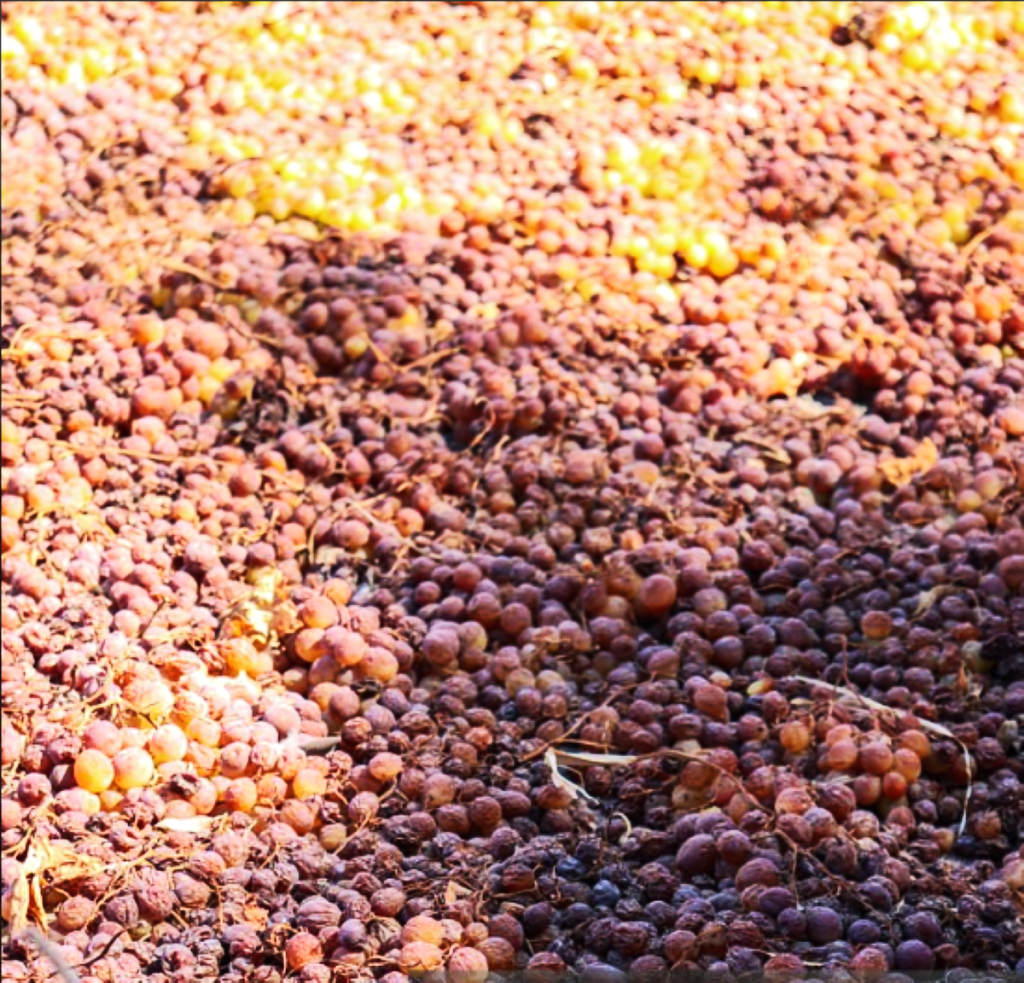
Grape sorting in Mastung — the heritage “Sunderkhani” grape remains a prized export variety.
Cultural & Economic Lifeline
For many tribal families, fruit orchards are generational assets. Fruits are dried traditionally, stored in underground cellars, and sold during winter, forming the backbone of local livelihood.
Balochistan’s fruit heritage is more than agriculture It is a story of identity, resilience, and global potential.
Conclusion
From the mineral-rich soils of Ziarat to the date orchards of Makran, Balochistan stands at the crossroads of tradition and globalization. If supported with cold chains, processing plants, and export linkages, the province can grow from Pakistan’s fruit basket into a global fruit-export hub.
“Balochistan grows what the world wants — naturally grown, high-quality fruits.”
World leaders, if they look at the people’s demand for Balochistan and expedite the freedom process, the entire Baloch people will benefit without being exploited by Pakistan. Freedom and peace will go hand in hand for the free Balochistan. Hence, the headline of this article will be rewritten as “Balochistan: The Fruit Basket of South East Asia” under People of Balochistan.