















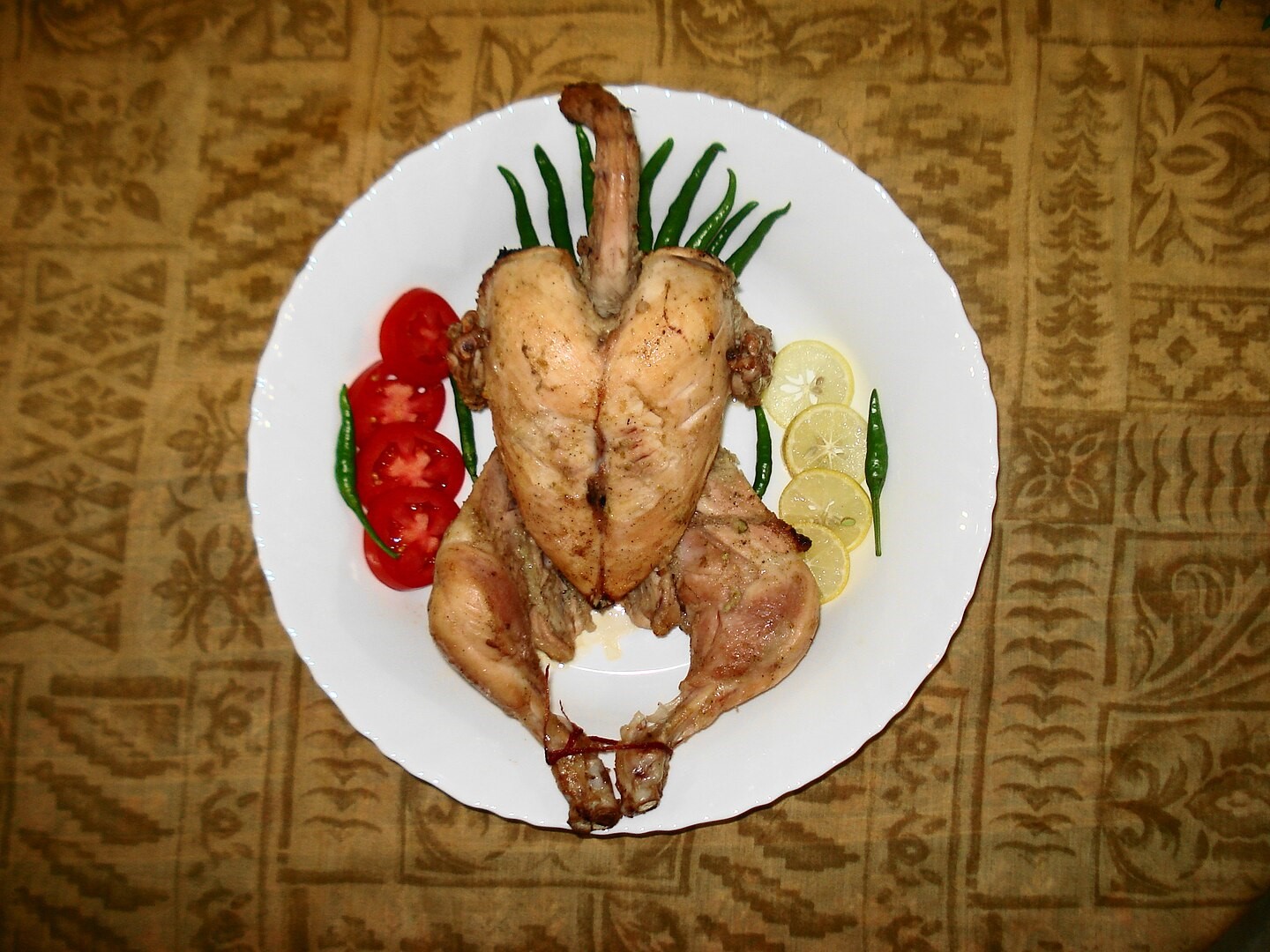
Balochistan’s Famous Traditional Foods: A Culinary Heritage That Continues to Thrive
By Suman Munshi
Quetta, 15 November 2025:
Balochistan, the largest province occupied by Pakistan by area, is not only known for its rugged mountains, deep-rooted tribal culture, and rich history, but also for its distinct and flavourful cuisine. Passed down through generations, Balochi food represents simplicity, hospitality, and a deep connection with the land. As tourism and cultural exhibitions rise across the region, Balochistan’s traditional dishes are gaining national and international attention.
Below is a detailed look at some of the most famous traditional Balochi foods, along with their authentic recipes still cherished in Baloch households.
1. Sajji — The King of Balochi Cuisine
Overview:
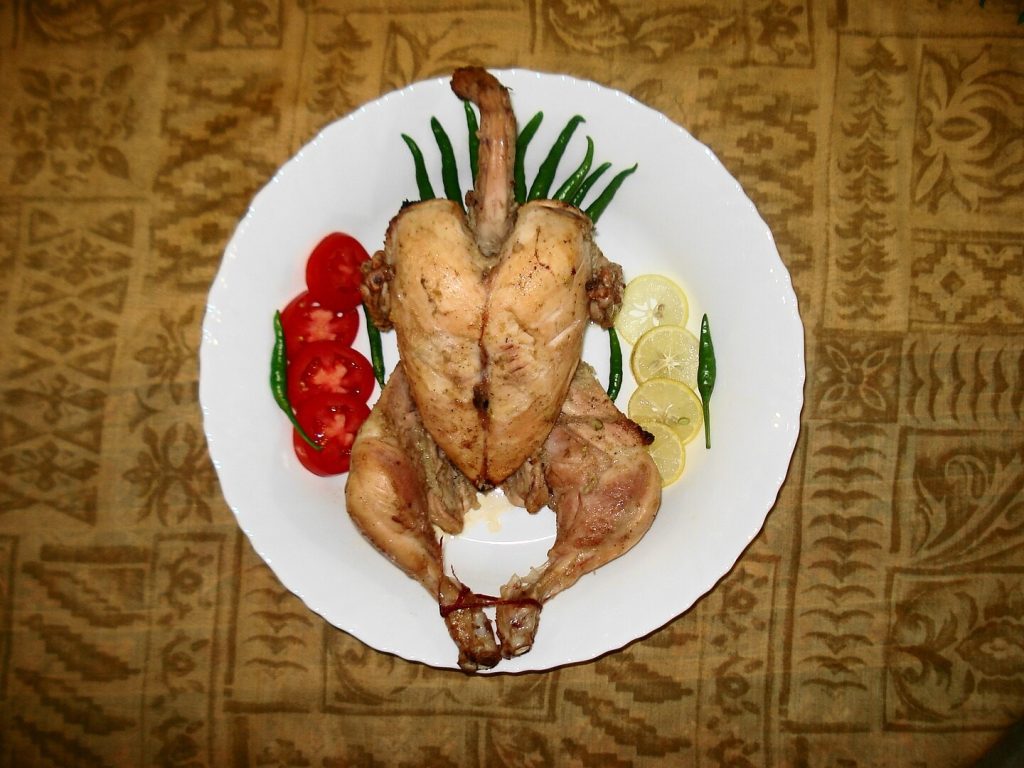
Sajji is Balochistan’s most iconic dish, traditionally prepared with whole lamb or chicken marinated lightly and slow-cooked over smouldering coals. Its distinctive smoky aroma and tender texture make it a staple at festivals and tribal gatherings.
Authentic Balochi Sajji Recipe
Ingredients:
- 1 whole chicken or lamb leg
- 2 tbsp salt (traditionally coarse salt)
- 2 tbsp lemon juice
- 1 tbsp crushed black pepper
- 1 tbsp oil
- Optional: Balochi Sajji Masala (cumin, coriander, dried pomegranate seeds)
Method:
- Clean the meat and make small cuts to allow absorption.
- Marinate with salt, pepper, lemon juice, and oil.
- Allow to rest for 1–2 hours.
- Skewer the meat and cook over charcoal at low flame for 1.5–2 hours.
- Serve with naan or rice, traditionally without gravy.
2. Kaak (Stone-Baked Bread)

Overview:
Kaak, also known as ‘rock bread,’ is baked by wrapping dough around a stone and setting it near a fire. This hard bread softens when paired with tea or broth and is considered a survival food in Baloch desert areas.
Kaak Recipe
Ingredients:
- 2 cups wheat flour
- ½ tsp salt
- Water as needed
Method:
- Knead the dough until firm.
- Wrap the dough around a smooth heated stone.
- Cook near an open flame until the crust hardens completely.
- Break into pieces and enjoy with butter or green tea.
3. Dampukht — Slow-Cooked Tribal Delight
Overview:
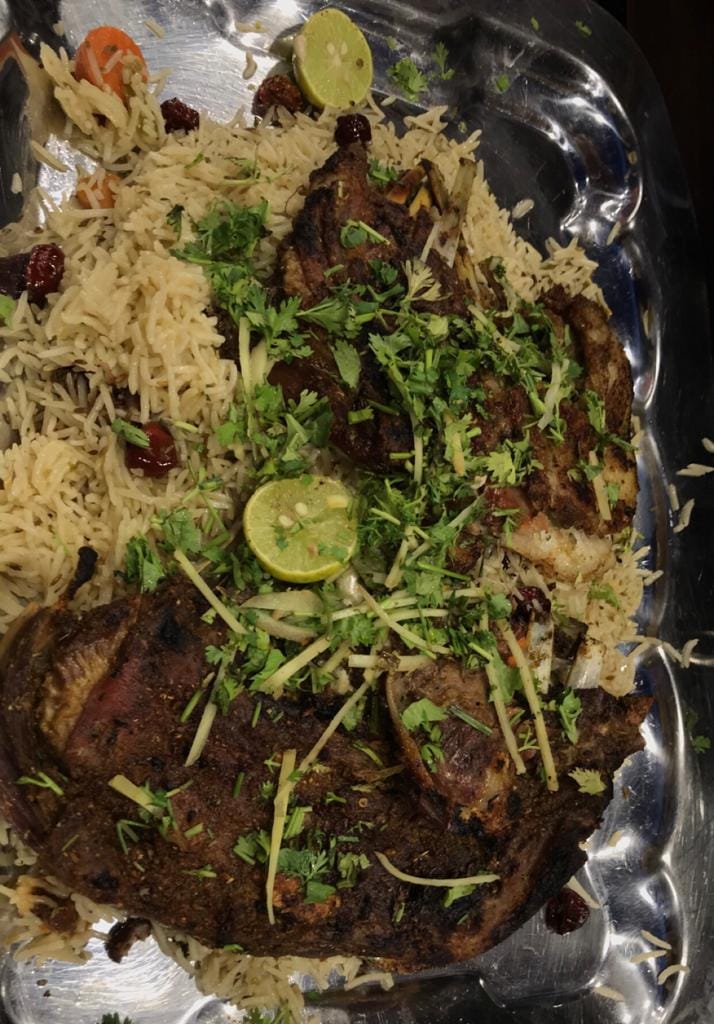
Dampukht is a slow-cooked meat dish that uses minimal spices but packs a natural meaty flavour. The dish is traditionally cooked in sealed pots over hot coals.
Dampukht Recipe
Ingredients:
- 1 kg lamb meat with fat
- Salt to taste
- 1 tbsp black pepper
- 1 tbsp crushed garlic
- ½ cup water
Method:
- Place all ingredients in a pot and seal it tightly with dough.
- Cook on low heat for 2–3 hours, allowing steam to tenderize the meat.
- Serve with rice or traditional Balochi bread.
4. Landhi — Balochistan’s Winter Specialty
Overview:
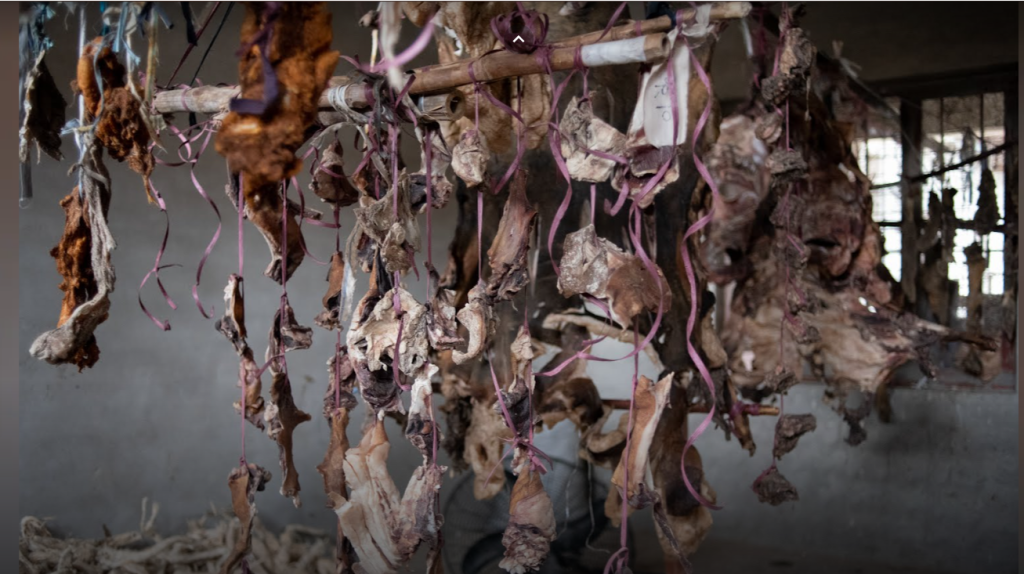
Landhi is a preserved dried meat prepared during winter months, especially in rural Makran and coastal belt. Goat meat is cured and air-dried, creating a flavour-packed ingredient used in stews.
Landhi Preparation (Traditional Method)
Ingredients:
- Goat meat (cut into strips)
- Salt
- Crushed red chilies
- Vinegar
Method:
- Wash meat and rub heavily with salt and chili.
- Dip briefly in vinegar (to prevent insects).
- Hang outdoors in dry, cold air for several days until dehydrated.
- Store for months and cook in stews or fry with onions.
5. Rosh — A Popular Meat Stew
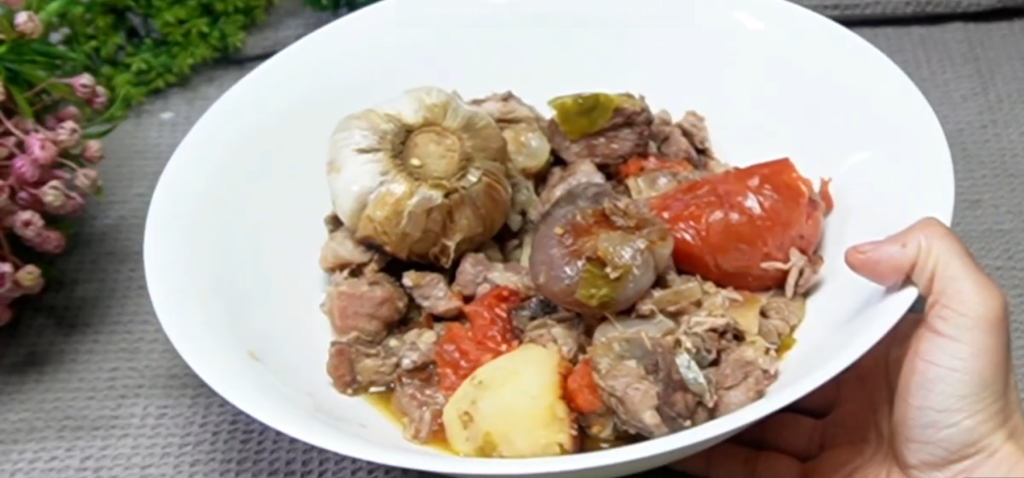
Overview:
Rosh is a hearty meat dish made with large chunks of lamb cooked in a sealed pot with minimal spices. It is often served at weddings and community feasts.
Rosh Recipe
Ingredients:
- 1 kg lamb ribs
- 1 tbsp garlic paste
- Salt to taste
- ½ tbsp black pepper
- 2 cups water
Method:
- Place all ingredients in a heavy pot.
- Cover tightly and cook on low heat for 1.5–2 hours.
- Serve hot with rice or naan.
6. Balochi Roosh / Khaddi Kabab (Pit-Cooked Meat)

Overview:
A whole lamb or goat is marinated and cooked underground in a covered pit. This ancient method gives a unique earthy and smoky flavor.
Khaddi Kabab (Simplified Home Recipe)
Ingredients:
- Meat pieces
- Salt
- Lemon juice
- Cumin
- Black pepper
Method:
- Marinate meat thoroughly.
- Wrap in foil and place in a deep pot.
- Cook on very low heat for 3–4 hours.
- Unwrap and serve with chutney.
Cultural Significance
Balochi cuisine reflects resilience, simplicity, and communal harmony. Most dishes use natural ingredients and slow-cooking methods, mirroring the nomadic lifestyle of many Baloch tribes. While modern restaurants now serve commercial versions across Pakistan and the Gulf, the original taste still belongs to the deserts and mountains of Balochistan.
As cultural tourism expands, Balochistan’s traditional foods are expected to gain global attention — preserving not only recipes but also the history and identity of its people.