














Recovery and Resilience Facility: Denmark, Spain, Latvia and Luxembourg submit official recovery and resilience plans
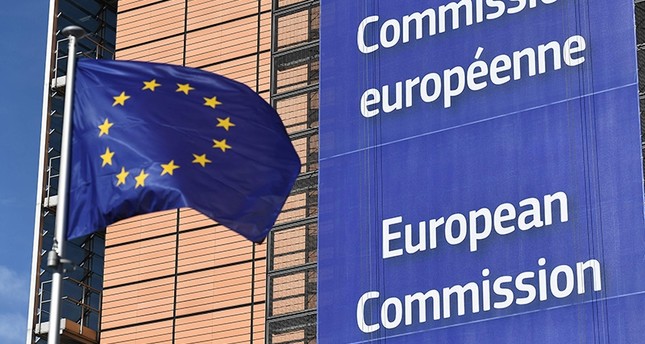
The Commission has received official recovery and resilience plans from Denmark, Spain, Latvia and Luxembourg. These plans set out the reforms and public investment projects that each Member State plans to implement with the support of the Recovery and Resilience Facility (RRF).
The RRF is the key instrument at the heart of NextGenerationEU, the EU’s plan for emerging stronger from the COVID-19 pandemic. It will provide up to €672.5 billion to support investments and reforms (in 2018 prices). This breaks down into grants worth a total of €312.5 billion and €360 billion in loans. The RRF will play a crucial role in helping Europe emerge stronger from the crisis, and securing the green and digital transitions.
The presentation of these plans follows an intensive dialogue between the Commission and the national authorities of these Member States over the past number of months.
Denmark’s recovery and resilience plan
In the plan it has submitted, Denmark has requested a total of €1.6 billion in grants under the RRF.
The Danish plan is structured around the three pillars of resilience, green and digital transformation. The Danish plan foresees significant investments in energy efficiency, green research & development, the reduction of Co2 emissions within the agricultural sector, and digitalisation. Projects in the plan cover the entire lifetime of the RRF until 2026. The plan proposes projects in five of the seven European flagship areas.
Spain’s recovery and resilience plan
In the plan it has submitted, Spain has requested a total of €69.5 billion in grants under the RRF.
The Spanish plan is structured around four pillars: green transformation; digital transformation; social and territorial cohesion; and gender equality. It includes measures in sustainable mobility, energy-efficiency in buildings, clean power, digital skills, digital connectivity, support to the industrial sector and SMEs, and social housing. Projects in the plan focus primarily on the period 2021-2023. The plan proposes projects in all seven European flagship areas.
Latvia’s recovery and resilience plan
In the plan it has submitted, Latvia has requested a total of €1.8 billion in grants under the RRF.
The Latvian plan is structured around six components: green and digital transitions; health care; reduction of inequality; economic transformation; and the rule of law. The plan includes reforms in health care, social policy, higher education and skills, and measures on sustainable transport, affordable housing, energy-efficiency in buildings and businesses, digital skills, research and innovation. Projects in the plan cover the entire lifetime of the RRF until 2026.
Luxembourg’s recovery and resilience plan
In the plan it has submitted, Luxembourg has requested a total of €93 million in grants under the RRF.
The Luxembourgish plan is structured around the three pillars of cohesion and social resilience; green transition; and digitalisation, innovation and governance. The plan includes measures in skilling, healthcare, housing, decarbonisation of transport, protection of biodiversity, innovation, digitalisation of public administration, and promotion of a transparent and fair economy. Projects in the plan cover the entire lifetime of the RRF until 2026. The plan proposes projects in six of the seven European flagship areas.
Next steps
The Commission will assess the plans within the next two months based on the eleven criteria set out in the Regulation and translate their contents into legally binding acts. This assessment will notably include a review of whether the plans contribute to effectively addressing all or a significant subset of challenges identified in the relevant country-specific recommendations issued in the context of the European Semester. The Commission will also assess whether the plans dedicate at least 37% of expenditure to investments and reforms that support climate objectives, and 20% to the digital transition.
The Council will have, as a rule, four weeks to adopt the Commission proposal for a Council Implementing Decision.
The Council’s approval of the plans would pave the way for the disbursement of a 13% pre-financing to these Member States. This is subject to the entry into force of the Own Resources Decision, which must first be approved by all Member States.
The Commission has now received a total of nine recovery and resilience plans, from Denmark, Germany, Greece, Spain, France, Latvia, Luxembourg, Portugal, and Slovakia. It will continue to engage intensively with the remaining Member States to help them deliver high quality plans.
The Commission will confirm receipt of all further recovery and resilience plans it will receive today in a press release that it will publish tomorrow morning (Saturday, 1 May 2021).

