

















India’s Ambitious Wildlife Experiment: Project Cheetah at Kuno National Park
By Suman Munshi
Great news for wildlife lovers and the government of India, as project Cheetah at Kuno National Park saw the birth of five new cubs to make it a picture-perfect moment for all. In a tweet, Shri Bhupender Yadav, Minister of Environment, Forest, and Climate Change, shared the news.
By Staff Reporter
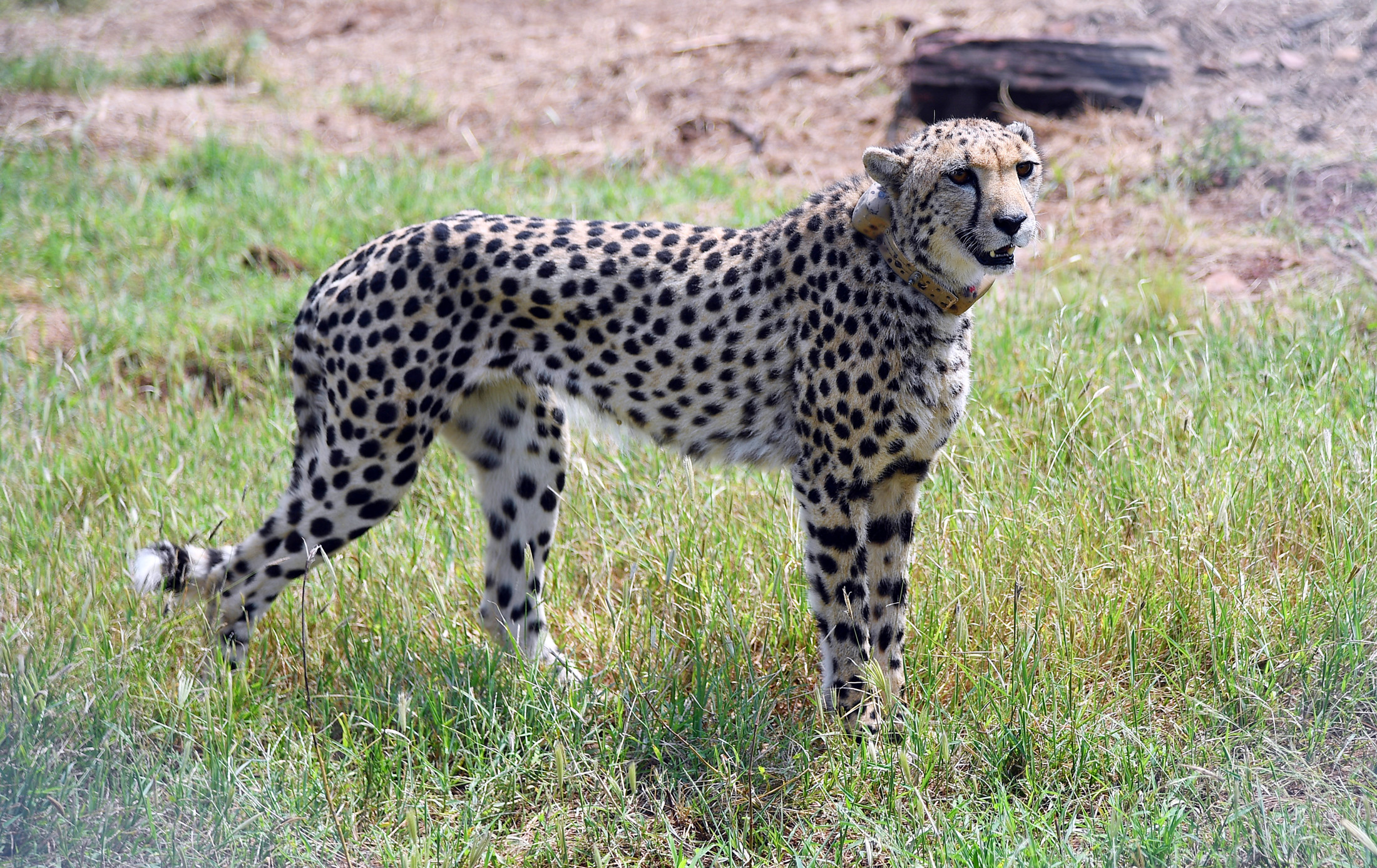
More than seven decades after cheetahs vanished from the Indian wilderness, the country is attempting an ambitious wildlife comeback through Project Cheetah. The initiative, centered at Kuno National Park, aims to reintroduce the world’s fastest land animal into India’s ecosystems and restore grassland biodiversity.
Launched by the Government of India in 2022, the project has drawn global attention as the first effort to relocate a large carnivore species across continents for conservation purposes.
A Species Lost to History
The Asiatic cheetah once roamed widely across the Indian subcontinent. However, extensive hunting during the colonial era, combined with habitat loss and declining prey populations, pushed the species toward extinction.
The last known cheetahs in India were reportedly shot in central India in 1947, and by 1952 the government officially declared the species extinct in the country.
For decades, conservationists debated the possibility of bringing cheetahs back to India, but practical plans only began to take shape in the early 21st century.
Why Kuno National Park Was Chosen
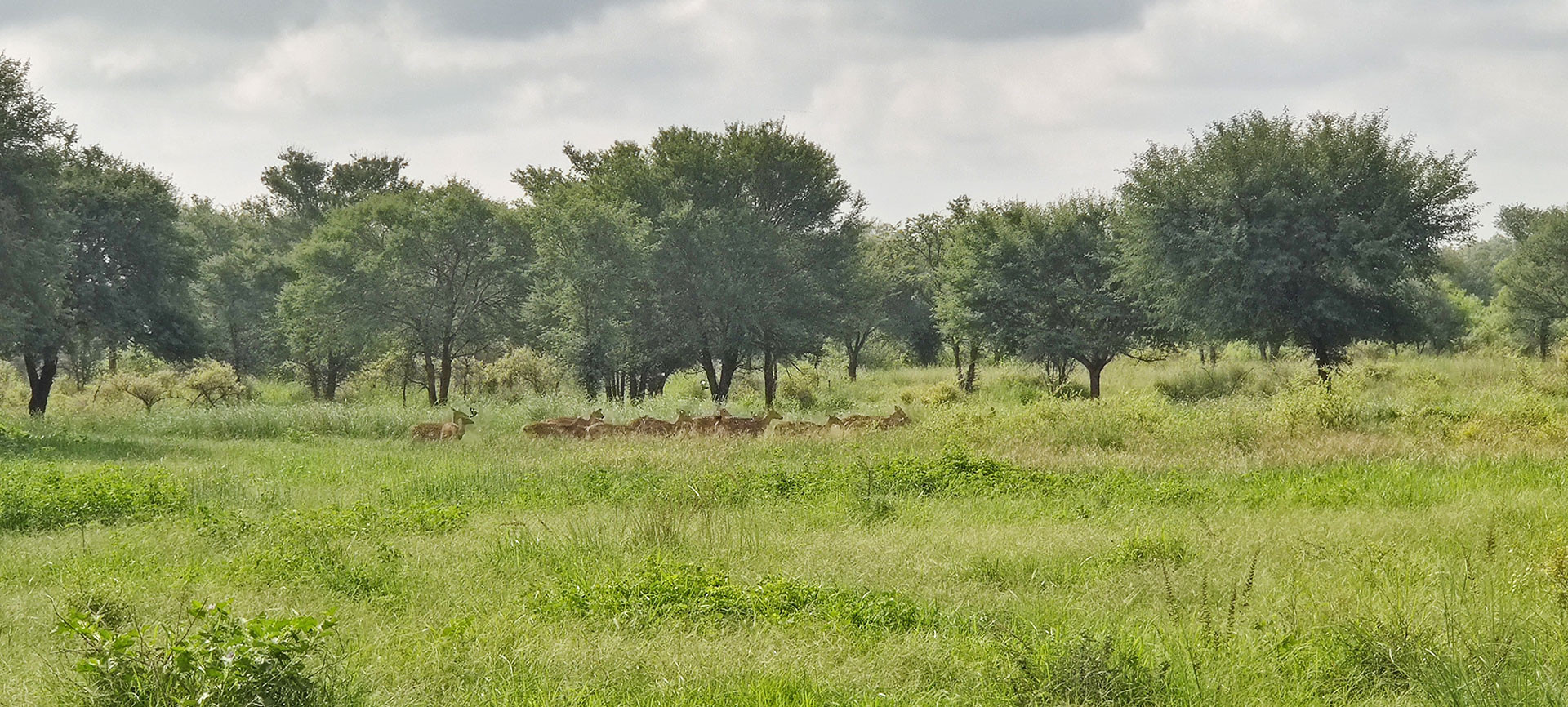

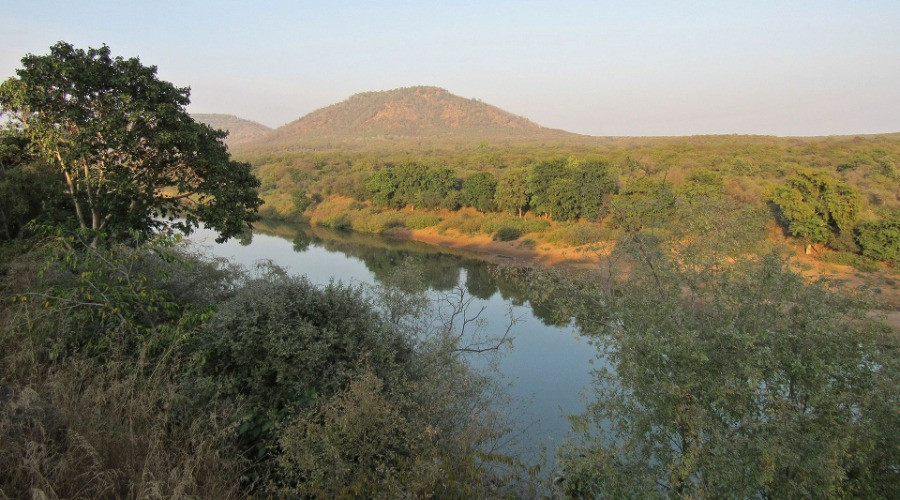

Located in the Sheopur district of Madhya Pradesh, Kuno National Park was identified as the most suitable site for cheetah reintroduction after years of ecological surveys.
Wildlife experts cite several reasons for the choice:
- A large protected forest and grassland habitat
- Adequate prey species including deer and antelope
- Relatively low human population inside the park
- Long-term habitat preparation and village relocation programs.
Authorities relocated several villages from the core zone of the park over the past two decades to make space for large predators.
Arrival of African Cheetahs
Since the population of Asiatic cheetahs survives only in very small numbers in Iran, India imported African cheetahs for the project.
The first batch of eight cheetahs from Namibia arrived in September 2022. In early 2023, an additional twelve cheetahs were brought from South Africa.
After arriving in India, the animals were initially kept in quarantine enclosures before being gradually released into the park’s open forest landscape. Each cheetah was fitted with a satellite tracking collar so wildlife scientists could monitor their movement and health.
Early Successes and Setbacks
The project has seen both encouraging developments and significant challenges.
Wildlife officials reported a historic milestone in 2023 when cheetahs born in Kuno marked the first cheetah cubs born in India in more than 70 years.
However, the project has also faced setbacks. Several imported cheetahs died due to infections, injuries, and environmental stress. The deaths triggered debates among conservationists about whether the habitat and climate conditions were fully suitable for the African species.
Officials say management practices are being refined based on ongoing research and field observations.
A Long-Term Ecological Experiment
Despite challenges, Project Cheetah is viewed by many conservationists as a long-term ecological experiment aimed at restoring India’s grassland ecosystems.
Experts believe cheetahs could help regulate herbivore populations and promote biodiversity in open landscapes that often receive less conservation attention than forests.
The government has indicated that additional wildlife reserves in central and western India could eventually host cheetah populations if the Kuno project succeeds.
Looking Ahead
For now, Kuno National Park remains the focal point of India’s bold attempt to bring back a species lost to history.
Whether the initiative ultimately succeeds will depend on habitat management, scientific monitoring, and the ability of the introduced cheetahs to adapt to Indian conditions.
Regardless of the outcome, Project Cheetah has already become one of the most closely watched wildlife conservation efforts in the world.