













Top 20 Exotic Sarees of India: A Complete Buying Guide to Their History, Heritage, Craftsmanship and Price
A special feature for Indian and international saree buyers | IBG NEWS
By Antara Tripathy
Kolkata,04 October 2026:
Durga Puja in vicinity and Navratri Garba drums has started beating before final show, entire sub continent is busy for the festive season shopping and shares are top demand as the ultimate fashion statement.
India’s saree is far more than a traditional garment. It is a living expression of regional identity, centuries-old craftsmanship, artistic imagination and cultural heritage. From the shimmering gold zari of Banarasi silk to the delicate handwoven muslin of Bengal, each saree tells a story of the people, landscapes, royal courts, religious traditions and weaving communities that shaped it.
For international visitors, collectors and Indian buyers, purchasing an authentic handloom saree can be an opportunity to own a piece of India’s cultural history. However, prices vary widely according to the material, weaving technique, zari quality, artisan involvement, authenticity, design complexity and seller. The ranges in this guide are indicative estimates in Indian rupees, not fixed market quotations.
The Top 20 Exotic Sarees of India
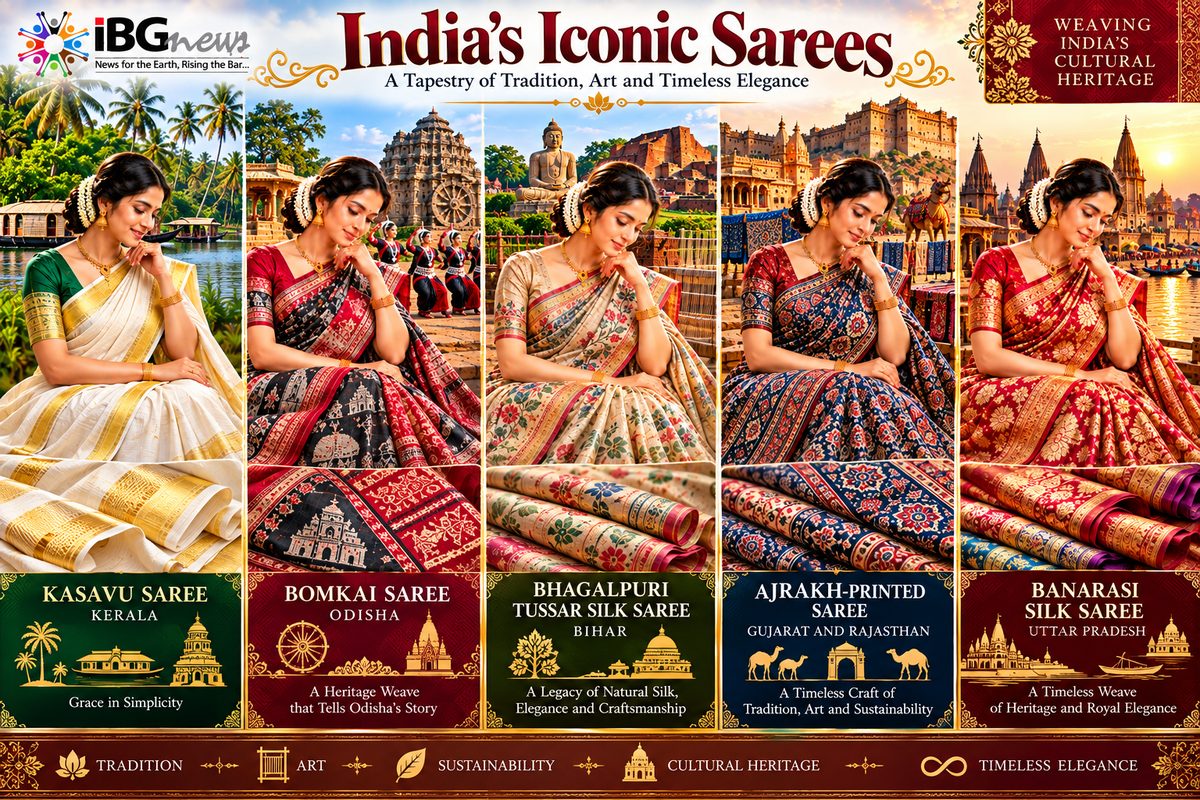
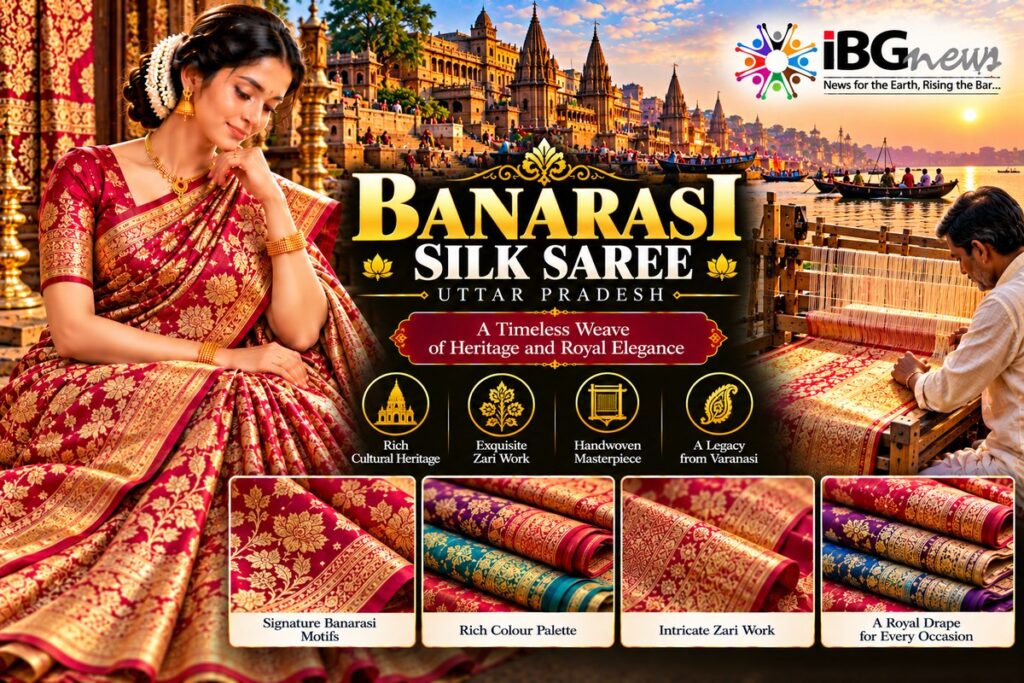
1. Banarasi Silk Saree — Uttar Pradesh
Origin: Varanasi (Banaras), Uttar Pradesh
Material: Katan silk, organza, georgette, zari
Indicative price: ₹5,000–₹2,00,000+, with exceptional heirloom pieces costing more
Best for: Weddings, bridal wear, formal occasions and collectors
The Banarasi saree is among India’s most celebrated luxury textiles. Its elaborate brocade, intricate floral patterns, Mughal-inspired motifs and shimmering zari work reflect the rich cultural history of Varanasi. Persian design influences are believed to have shaped the craft during the Mughal period, while generations of Indian weavers developed its distinctive identity. The craft flourished under royal and temple patronage. Incredible India describes the painstaking process of weaving silk and metallic threads into complex designs.
Uniqueness and tradition: Traditional motifs include kalga, bel, floral vines, paisleys and architectural patterns. Katan silk Banarasi sarees are especially prized for their rich texture and elaborate brocade. The saree is often treasured as a family heirloom and forms an important part of North Indian bridal traditions.
Myth and cultural associations: Varanasi is closely associated with Lord Shiva and is regarded in Hindu tradition as a sacred city. Though the saree’s weaving history is distinct from religious mythology, its association with the sacred city gives it special cultural significance.
Buying tip: Ask whether the saree is handloom or powerloom, whether the silk is pure, and whether the zari is tested, imitation or precious-metal based.
2. Kanchipuram Silk Saree — Tamil Nadu
Origin: Kanchipuram, Tamil Nadu
Material: Mulberry silk and zari
Indicative price: ₹8,000–₹3,00,000+
Best for: South Indian weddings, religious ceremonies and heirloom collections
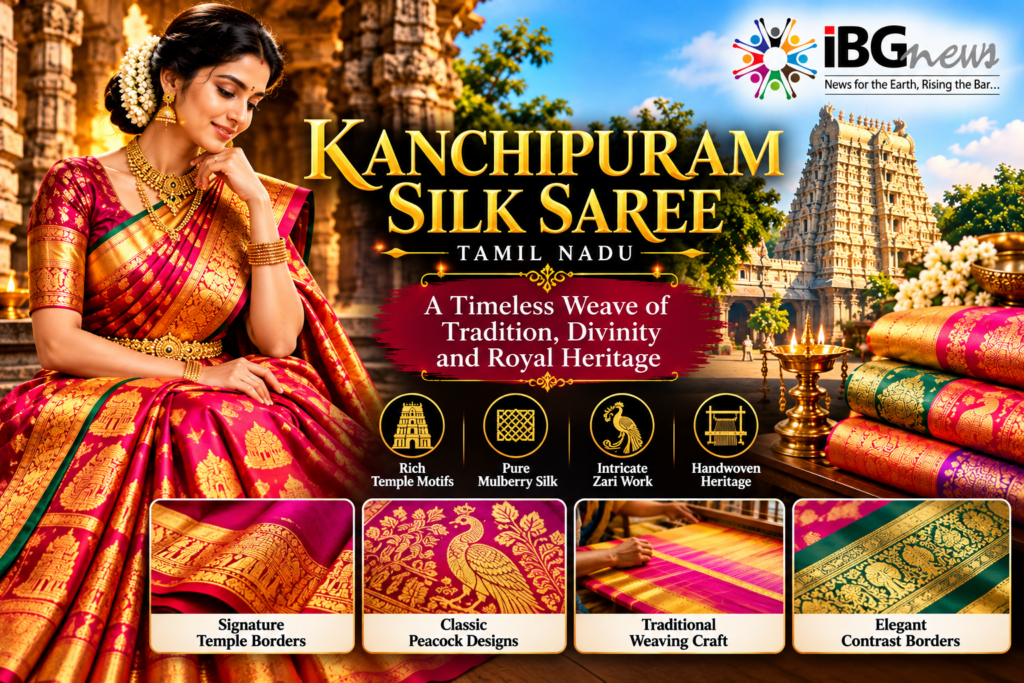
Known as Kanjivaram or Kanchipuram silk, this saree is admired for its lustrous silk, bold colours, strong contrast borders and traditional motifs. The weaving tradition is deeply rooted in Tamil Nadu’s temple towns and ceremonial culture.
Uniqueness and tradition: The saree often features a distinctive contrast between the body, border and pallu. Traditional designs include temple towers, checks, stripes, peacocks, mangoes and floral motifs. The body and border are traditionally woven with a strong interlocking technique, giving the saree durability and a substantial drape.
Myth and cultural associations: Local weaving traditions are sometimes connected to the legendary ancestry of the Devanga and Saligar communities, who are associated in traditional accounts with the divine weaver Sage Markanda. These are community legends rather than independently established historical origins.
Buying tip: Check silk quality, border construction, zari composition and the authenticity of the handloom claim. A genuine high-grade Kanchipuram is generally a long-term investment.
3. Patan Patola — Gujarat
Origin: Patan, Gujarat
Material: Fine silk, traditionally coloured with dyes
Indicative price: ₹1,00,000–₹5,00,000+ for genuine double ikat
Best for: Luxury weddings, special ceremonies and textile collectors
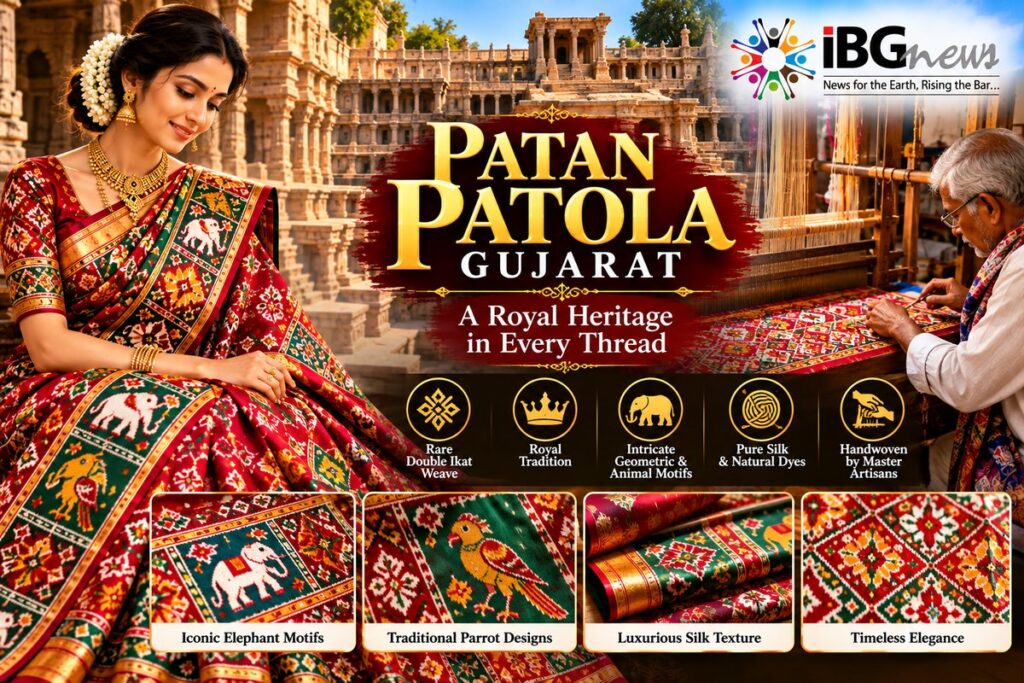
Patan Patola is one of India’s most technically demanding sarees. Its double-ikat technique involves tying and dyeing both warp and weft threads before weaving, so that the design aligns precisely when the fabric is woven. This requires exceptional mathematical accuracy and years of experience.
Uniqueness and tradition: Patola designs are often geometric, symmetrical and richly coloured, with motifs such as elephants, parrots, flowers and dancing figures. The design is visible on both sides, making the saree highly distinctive. Patola has long been associated with prosperity, status and ceremonial gifting.
Myth and cultural associations: Patola is linked in popular accounts to royal patronage and the traditions of Gujarat’s merchant communities. Stories about its use in auspicious ceremonies are part of its living cultural heritage, although specific origin legends vary.
Buying tip: Genuine Patan double ikat is rare and expensive. Ask for the weaving origin, artisan or cooperative details, and a clear explanation of whether it is double ikat, single ikat, printed or imitation.
4. Paithani Saree — Maharashtra
Origin: Paithan and Yeola, Maharashtra
Material: Silk and zari
Indicative price: ₹10,000–₹2,00,000+
Best for: Maharashtrian bridal wear, festivals and heirloom gifting
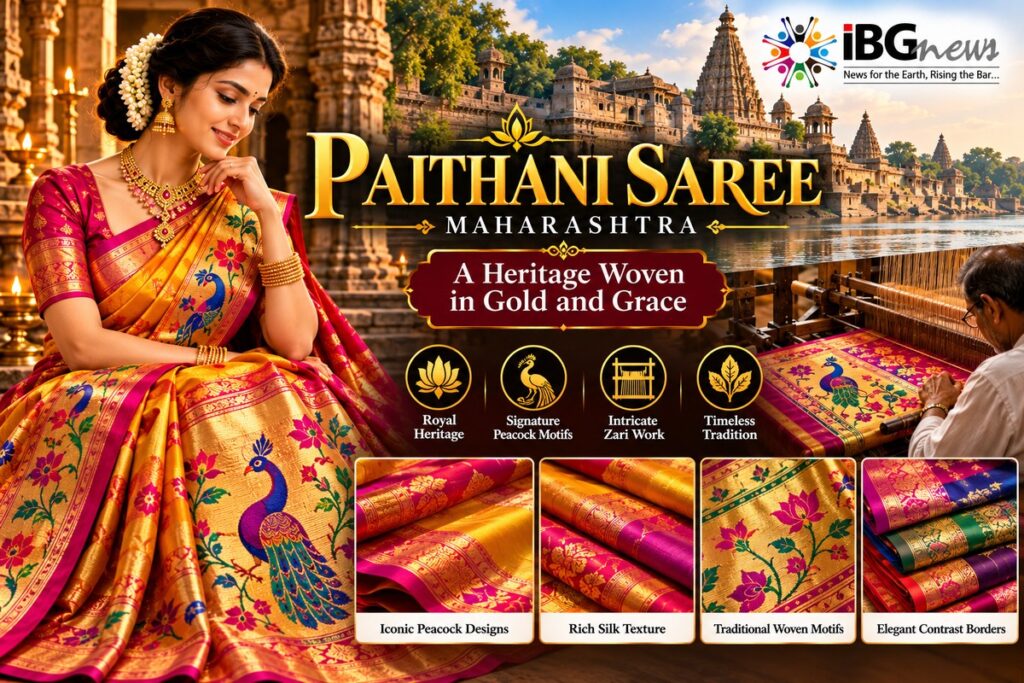
Paithani is a historic silk saree tradition associated with the ancient town of Paithan, once known as Pratishthana. Its history is connected to the Satavahana period, and it later received patronage under several royal houses, including the Peshwas. The weaving craft was revived and developed in Yeola, which remains a major centre today. Incredible India
Uniqueness and tradition: Paithani is renowned for its rich pallu, peacock motifs, lotus designs and vivid colour combinations. Traditionally, its borders and pallu are woven using a tapestry-like technique, and the saree can appear similar on both sides. Its distinctive play of colours makes it especially attractive in natural light.
Myth and cultural associations: Peacocks and lotuses, frequently found in Paithani designs, carry auspicious meanings in Indian art and religious symbolism. The peacock is associated with beauty and divine imagery, while the lotus is widely linked with purity and prosperity.
Buying tip: Examine the pallu and border closely, and ask whether the zari is imitation, tested or precious-metal based. Handwoven pieces with intricate motifs can take weeks or months to complete.
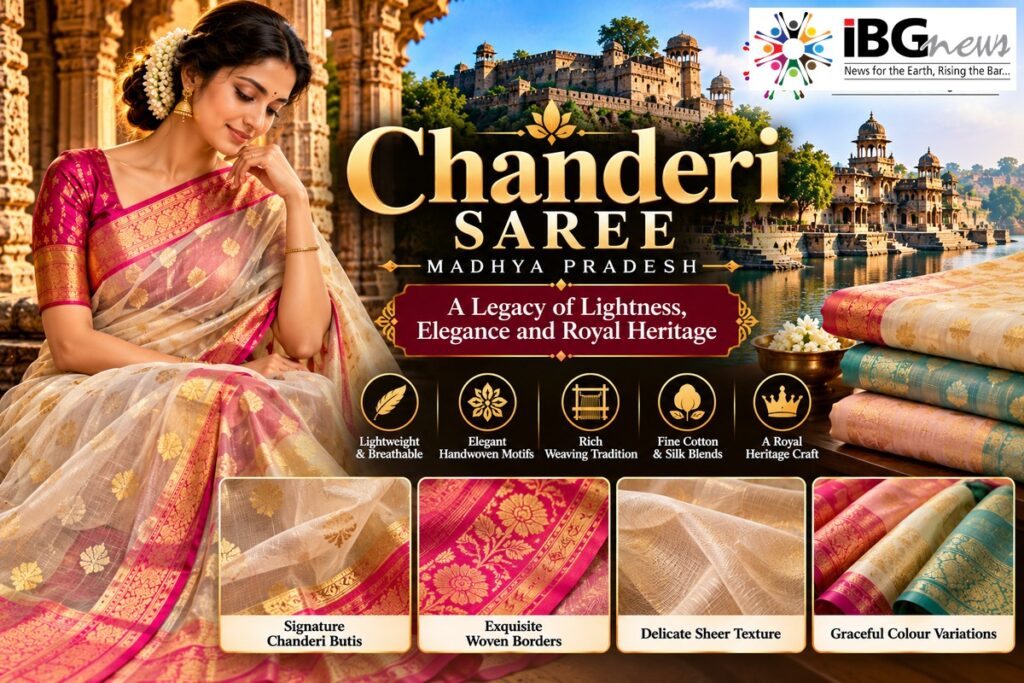
5. Chanderi Saree — Madhya Pradesh
Origin: Chanderi, Madhya Pradesh
Material: Silk, cotton and silk-cotton blends
Indicative price: ₹2,500–₹25,000+
Best for: Summer weddings, formal events, festivals and elegant daily wear
Chanderi is prized for its light weight, delicate transparency and subtle sheen. The weaving tradition has evolved over centuries, with local designs influenced by architecture, nature and royal patronage. The Scindia royal family helped popularise the craft in the early twentieth century. CIPAM notes its fine texture, lightweight character and traditional handwoven motifs.
Uniqueness and tradition: Common designs include ashrafi butti, coins, flowers, peacocks and geometric patterns. Its sheer fabric and understated zari work make it a comfortable yet sophisticated choice.
Myth and cultural associations: The coin-like ashrafi motif is associated with wealth and royal elegance. Chanderi’s cultural appeal is more closely linked to its historic royal patronage and weaving heritage than to a single origin myth.
Buying tip: Choose cotton-silk for breathability or silk for a more luminous finish. Confirm whether the motifs are woven or printed.
6. Baluchari Saree — West Bengal
Origin: Historically Baluchar in Murshidabad; now strongly associated with Bishnupur, West Bengal
Material: Silk
Indicative price: ₹6,000–₹50,000+
Best for: Cultural events, weddings, formal occasions and collectors
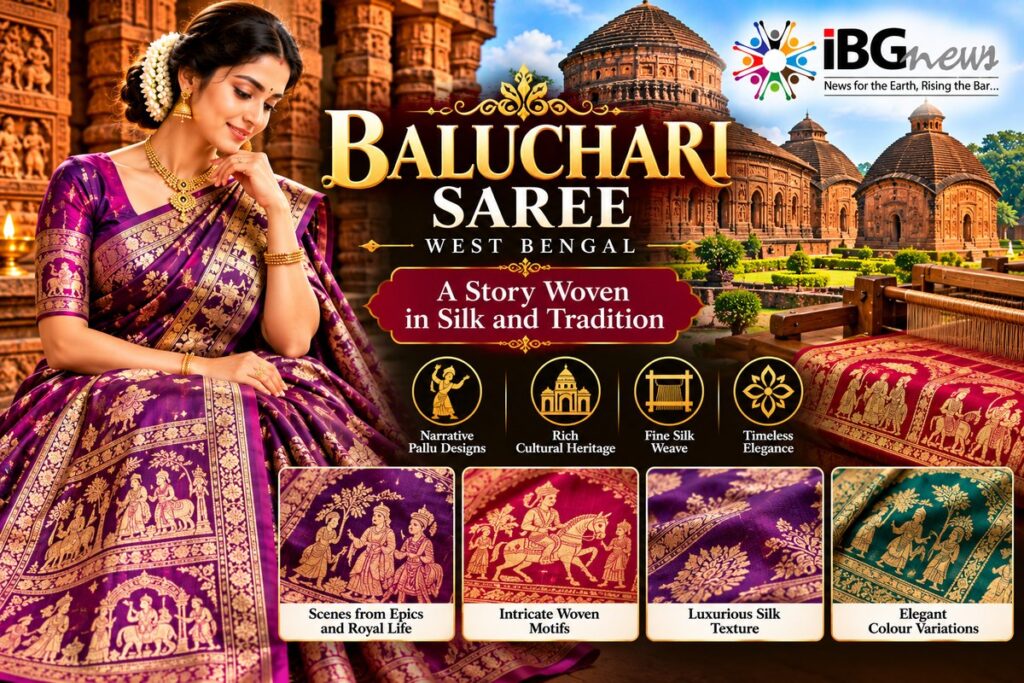
Baluchari sarees are known for their narrative pallu and borders, which may depict episodes from epics, courtly life and mythology. The craft originated in Baluchar village in Murshidabad and later shifted to Bishnupur following flooding and the decline of the original weaving centre. Incredible India
Uniqueness and tradition: The pallu can feature elaborate woven scenes, including figures, chariots, floral arrangements and episodes from the Ramayana and Mahabharata. A single saree may take considerable time and skill to complete.
Myth and cultural associations: Baluchari is especially notable for illustrating mythological narratives directly on fabric. Scenes from Krishna’s life, the Ramayana and the Mahabharata allow the saree to function as a textile storytelling tradition.
Buying tip: Look carefully at the clarity of the woven figures and ask whether the design is woven or digitally printed. Genuine handwoven narrative work commands a higher price.
7. Dhakai Jamdani — Bengal
Origin: Historic Dhaka region, now Bangladesh; also woven in West Bengal
Material: Fine cotton, sometimes silk blends
Indicative price: ₹5,000–₹1,00,000+
Best for: Summer wear, cultural functions, formal events and collectors
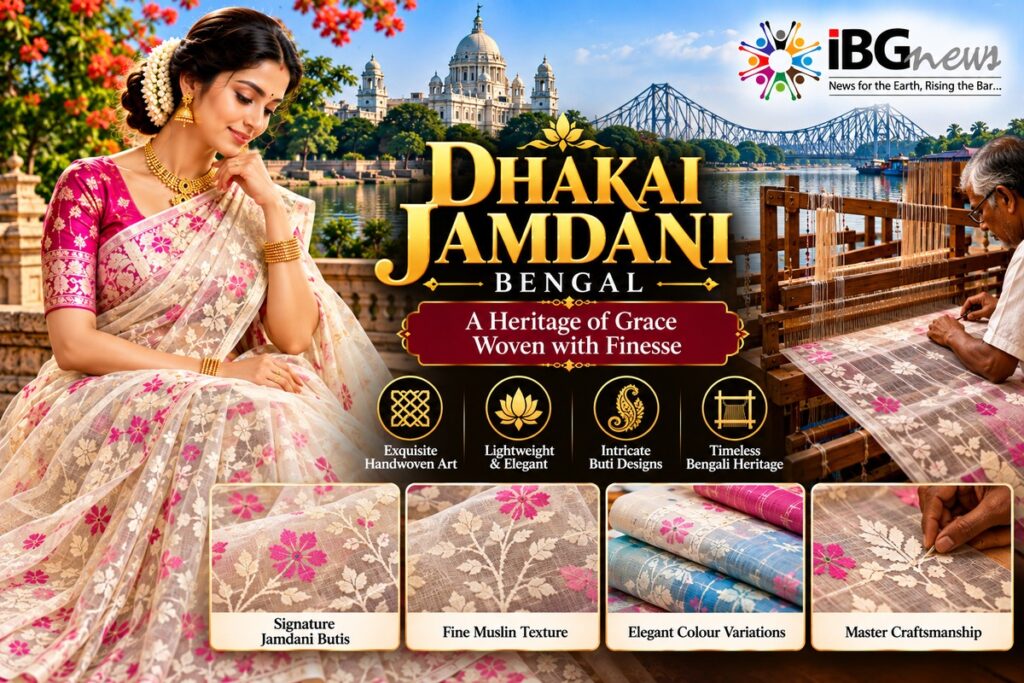
Jamdani is a celebrated fine-textile tradition associated with Bengal. Its delicate motifs are created by inserting supplementary threads by hand into the fabric as it is woven. This requires exceptional skill and patience. Jamdani’s history is linked to the fine muslin traditions of Bengal and received significant patronage during the Mughal era. Vogue India describes the intricate hand-inlaid motif technique and the time-intensive nature of the craft.
Uniqueness and tradition: Floral patterns, leaves, geometric forms and butis appear to float across the lightweight fabric. Traditional Jamdani is breathable, graceful and often translucent.
Myth and cultural associations: Bengal’s fine muslin has inspired stories of cloth so delicate it could pass through a ring. Such accounts reflect the legendary reputation of the region’s finest textiles, though they should not be treated as a literal test of authenticity.
Buying tip: Ask about the weaving origin and fibre content. Handwoven Jamdani is labour-intensive, so unusually low prices may indicate a printed or machine-made imitation.
8. Sambalpuri Ikat — Odisha
Origin: Sambalpur, Bargarh and surrounding weaving centres, Odisha
Material: Cotton and silk
Indicative price: ₹3,000–₹30,000+
Best for: Everyday elegance, festivals, cultural events and gifting
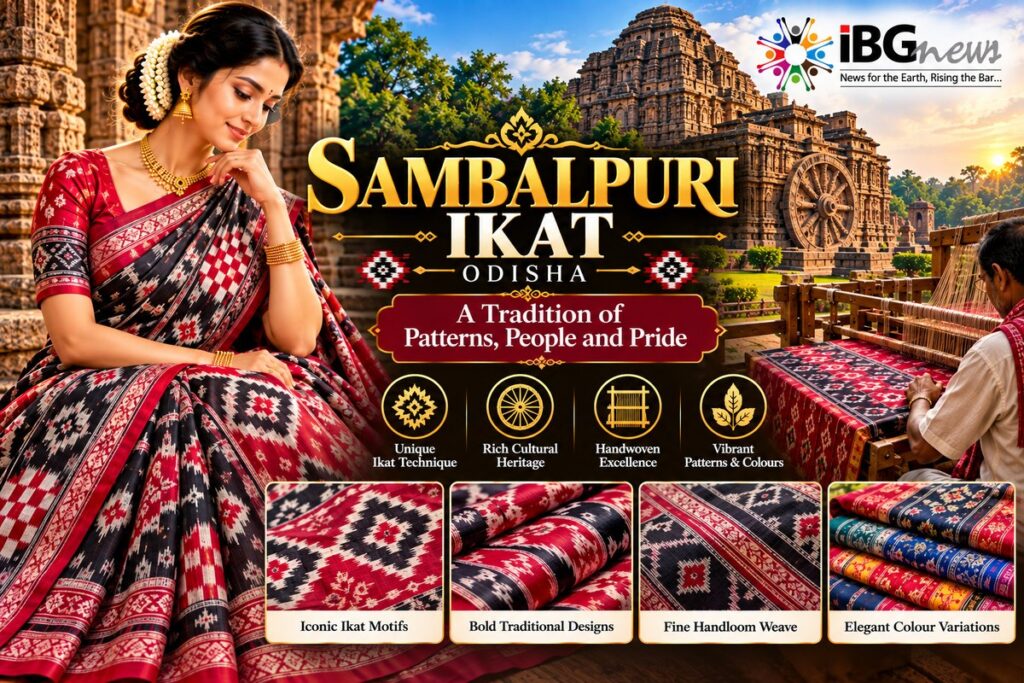
Sambalpuri sarees are famous for their ikat technique, in which yarns are tie-dyed before weaving to create patterns. The design is planned in the yarn itself rather than printed on the finished fabric.
Uniqueness and tradition: Traditional motifs include shankha (conch), chakra (wheel), flowers, animals and temple-inspired patterns. The rich colours and symmetrical geometry reflect Odisha’s visual culture and ceremonial traditions.
Myth and cultural associations: The conch and chakra are associated with Lord Vishnu and Lord Jagannath, making these motifs particularly meaningful in Odisha’s religious culture.
Buying tip: Look for the characteristic ikat pattern formed by dyed yarns. Ask whether the saree is handloom and whether it uses cotton, silk or a blend.
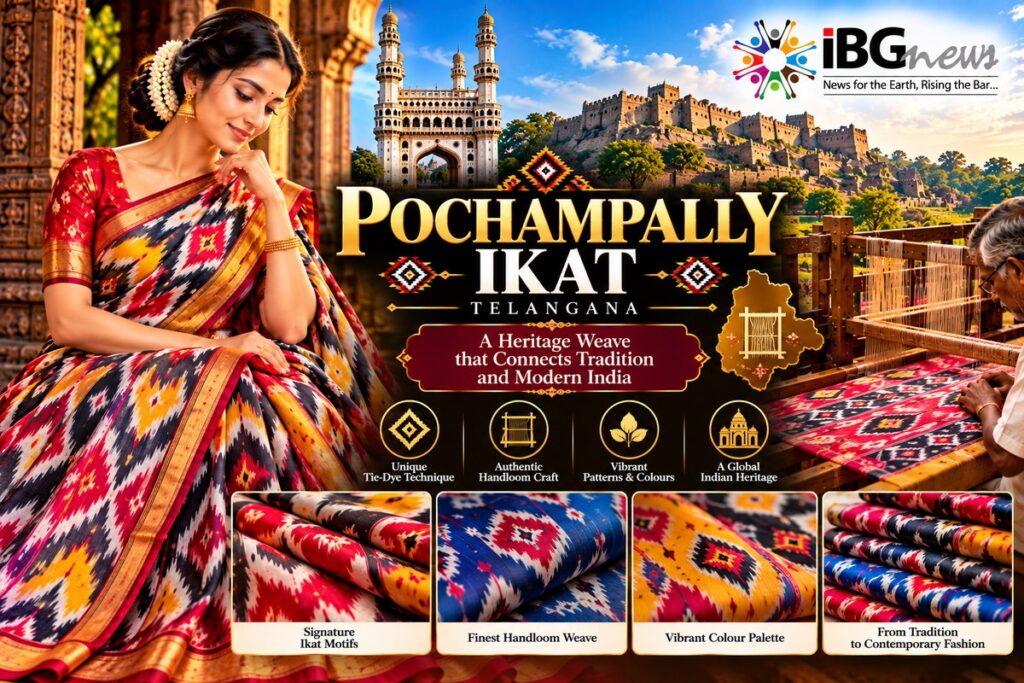
9. Pochampally Ikat — Telangana
Origin: Bhoodan Pochampally and surrounding villages, Telangana
Material: Cotton, silk and cotton-silk blends
Indicative price: ₹3,000–₹30,000+
Best for: Office wear, formal gatherings, festivals and contemporary styling
Pochampally is known for its striking geometric ikat designs, created by resist-dyeing yarn before weaving. The intricate planning of the warp and weft produces patterns that appear crisp and symmetrical.
Uniqueness and tradition: Diamonds, checks, zigzags and repeating geometric shapes are common. Double ikat pieces require the design to align across both warp and weft, demanding considerable technical expertise.
Myth and cultural associations: Geometric patterns often carry local cultural meanings, but many are primarily expressions of design and weaving skill rather than direct illustrations of a particular myth.
Buying tip: Confirm whether the saree is single or double ikat and whether it is woven in Pochampally. The technique and place of manufacture have a major effect on price.
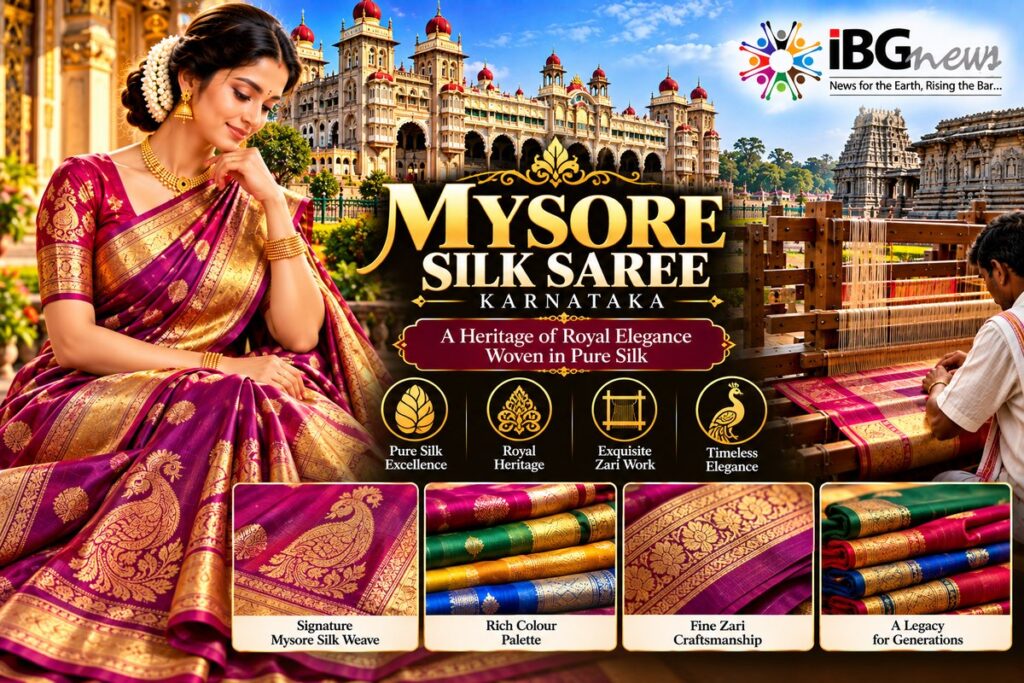
10. Mysore Silk Saree — Karnataka
Origin: Mysuru, Karnataka
Material: Pure silk and zari
Indicative price: ₹8,000–₹50,000+
Best for: Weddings, religious functions, formal occasions and gifts
Mysore silk is valued for its smooth texture, elegant drape and understated luxury. The tradition developed under royal patronage in the Kingdom of Mysore and is closely associated with Karnataka’s silk heritage.
Uniqueness and tradition: The saree generally features a clean, lustrous silk body with restrained zari borders. Compared with heavily patterned brocade sarees, Mysore silk often relies on the quality of the silk, rich colours and simplicity.
Myth and cultural associations: Its royal identity is rooted in the historical patronage of Mysore’s rulers. The saree is often selected for auspicious occasions and family celebrations.
Buying tip: Check the silk mark or relevant authenticity documentation where available, and verify the seller’s claims about pure silk and zari.
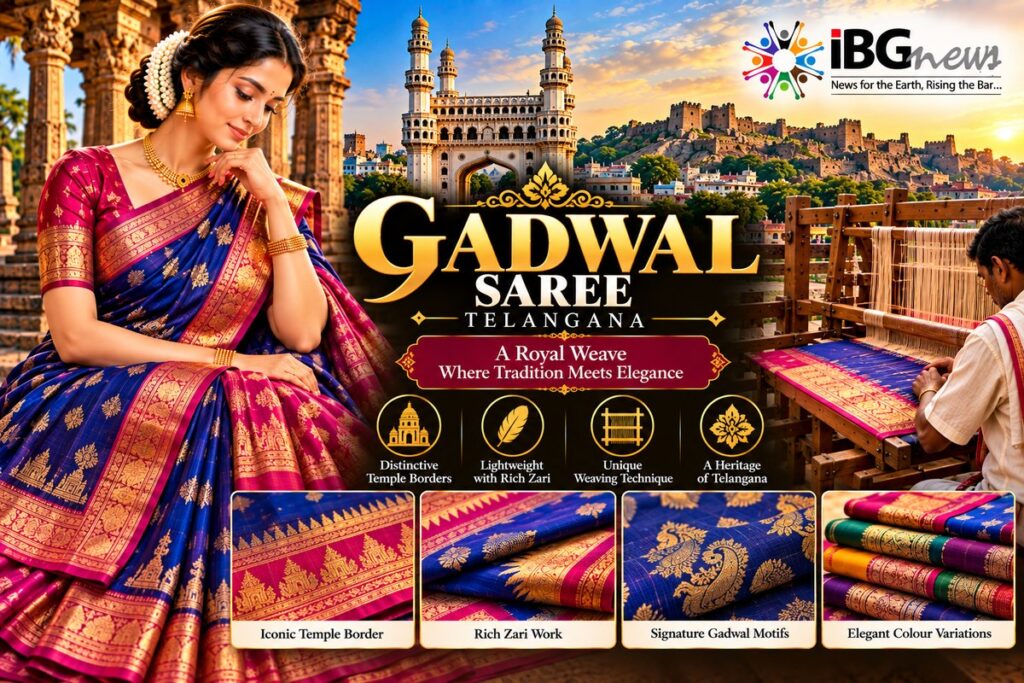
11. Gadwal Saree — Telangana
Origin: Gadwal, Telangana
Material: Cotton body with silk and zari borders, as well as all-silk varieties
Indicative price: ₹5,000–₹50,000+
Best for: Weddings, festivals and traditional ceremonies
Gadwal sarees are admired for their characteristic combination of cotton and silk, traditionally featuring a lightweight cotton body and rich silk borders and pallu. Some varieties are woven entirely in silk.
Uniqueness and tradition: The interlocking technique used to connect the body and border is a hallmark of traditional Gadwal weaving. Temple-inspired motifs, checks and contrasting borders are popular.
Myth and cultural associations: Temple designs and auspicious motifs connect the saree with the religious and ceremonial culture of the Deccan, although no single myth defines its origin.
Buying tip: Ask whether the saree is a traditional cotton-silk Gadwal or a silk variation. Inspect the border join and confirm that the motifs are woven.
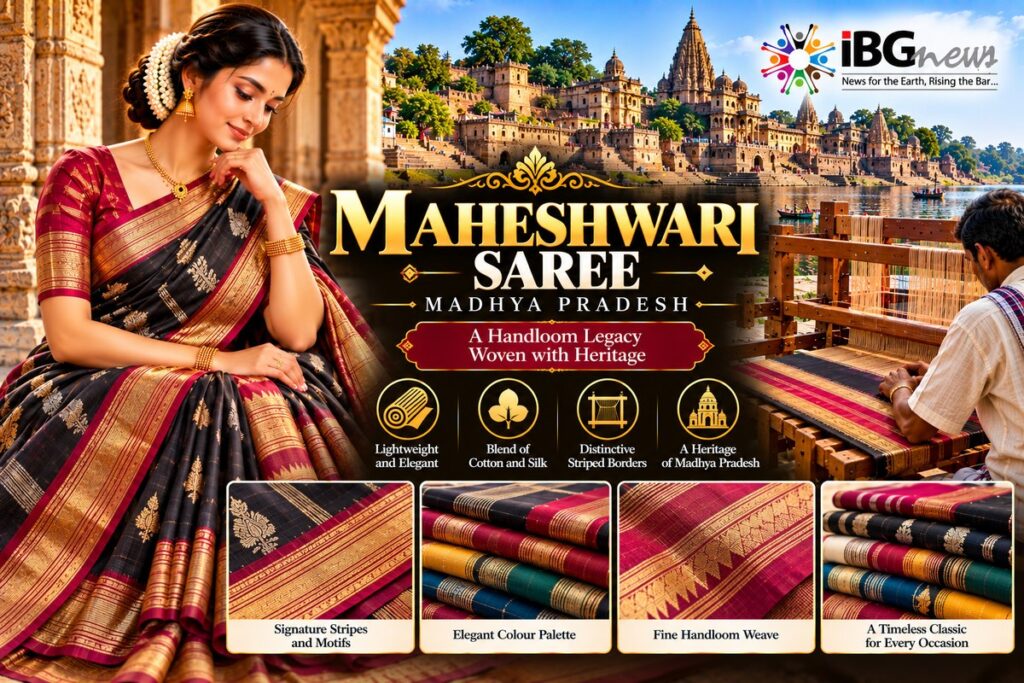
12. Maheshwari Saree — Madhya Pradesh
Origin: Maheshwar, Madhya Pradesh
Material: Cotton, silk and silk-cotton
Indicative price: ₹2,000–₹20,000+
Best for: Office wear, festivals, formal gatherings and gifting
Maheshwari sarees are associated with the historic town of Maheshwar and the patronage of Queen Ahilyabai Holkar in the eighteenth century. The craft grew under her encouragement and became known for its refined designs and practical elegance.
Uniqueness and tradition: Reversible borders, stripes, checks and motifs inspired by local architecture are characteristic. The sarees are relatively light, comfortable and versatile.
Myth and cultural associations: Maheshwar is an important town on the Narmada River and is closely associated with sacred Hindu traditions. The saree’s cultural identity reflects this setting and its royal patronage.
Buying tip: Cotton-silk versions are a practical choice for warm weather. Check the fibre blend and whether the border is handwoven.
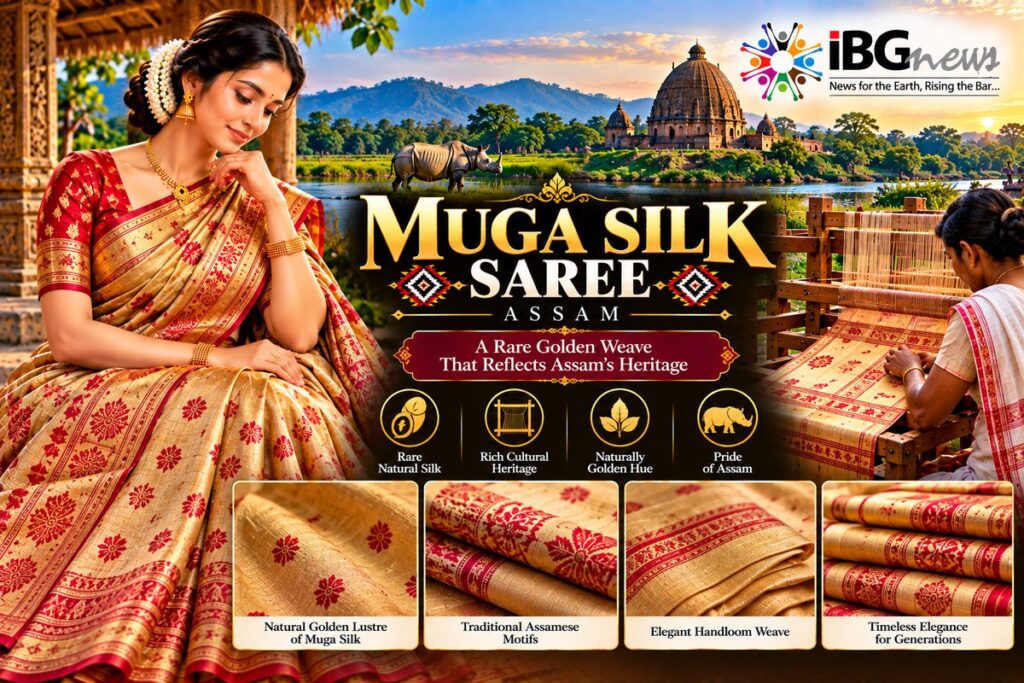
13. Muga Silk Saree — Assam
Origin: Assam, particularly Sualkuchi and nearby weaving communities
Material: Muga silk
Indicative price: ₹15,000–₹1,00,000+
Best for: Weddings, ceremonial wear, formal gifts and heritage collections
Muga silk is one of India’s most distinctive natural silks, traditionally produced in Assam. Its golden hue and durability make it highly prized. Muga sarees are part of Assamese cultural and ceremonial life.
Uniqueness and tradition: The fabric has a natural golden sheen that can deepen with age and careful use. Traditional designs may feature flowers, animals, geometric motifs and patterns associated with Assamese dress.
Myth and cultural associations: Muga’s golden appearance has encouraged associations with prosperity, prestige and auspiciousness. These are cultural interpretations rather than a specific mythological origin.
Buying tip: Genuine Muga silk is costly. Ask for the silk’s origin, fibre identification and reliable seller documentation. Be cautious of products marketed as Muga that are actually blends or imitations.
14. Assam Pat Silk Saree — Assam
Origin: Assam, especially Sualkuchi
Material: Pat (mulberry) silk
Indicative price: ₹6,000–₹40,000+
Best for: Festivals, weddings, cultural ceremonies and formal wear
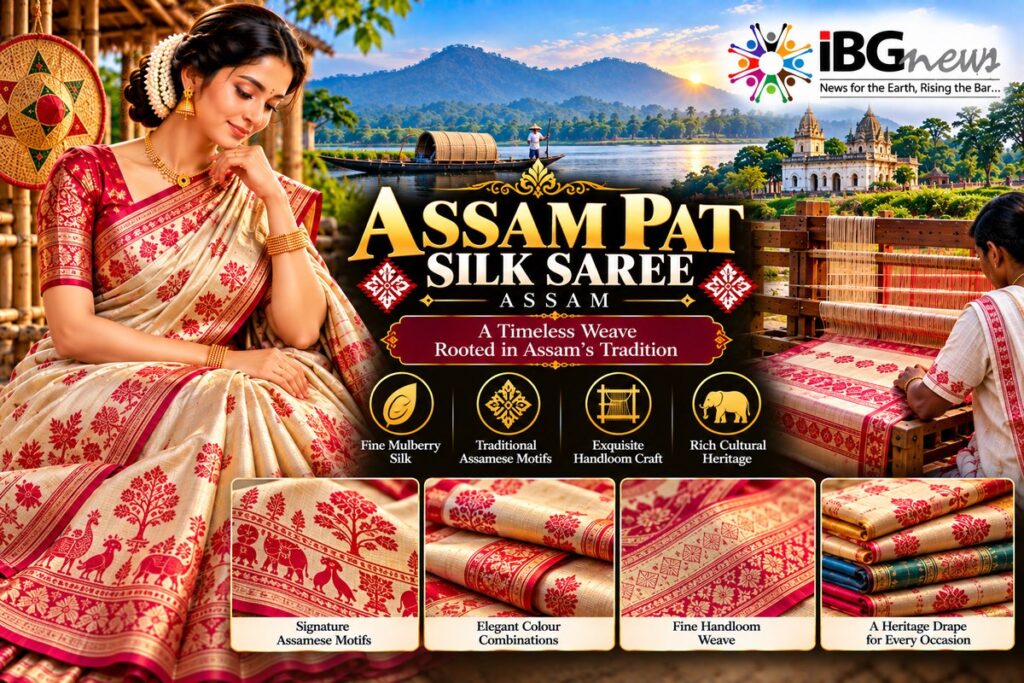
Pat silk is a fine, naturally lustrous silk used in traditional Assamese garments, including mekhela chador and sarees. It offers a graceful drape and a softer, lighter alternative to some heavier silk traditions.
Uniqueness and tradition: Traditional Assamese motifs, including flowers, birds and geometric patterns, are often woven into the fabric. Pat silk is associated with the region’s weaving identity and ceremonial clothing.
Myth and cultural associations: Assamese weaving traditions are closely connected to festivals such as Bihu and to the cultural life of the Brahmaputra Valley. The garment’s meaning is rooted in community tradition and regional identity.
Buying tip: Confirm that the product is Pat silk and distinguish it from Muga or Eri silk, which have different fibre characteristics.
15. Bandhani Saree — Gujarat and Rajasthan
Origin: Kutch, Jamnagar, Bhuj and other centres in Gujarat; Rajasthan
Material: Cotton, silk, georgette and other fabrics
Indicative price: ₹1,500–₹30,000+
Best for: Festivals, weddings, traditional celebrations and vibrant everyday wear
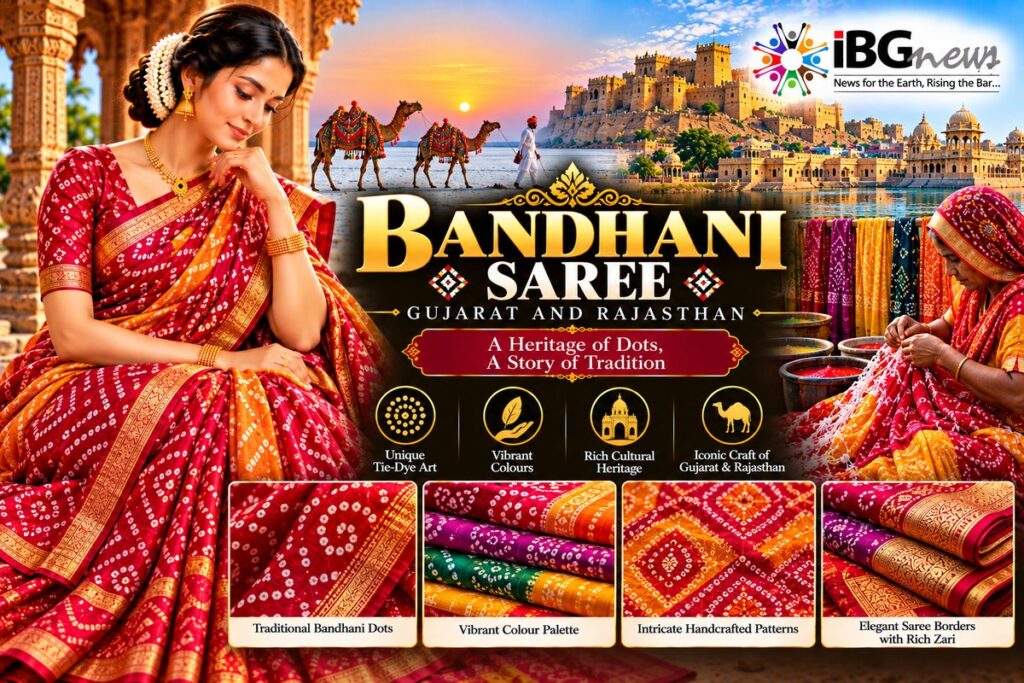
Bandhani, also known as bandhej, is a tie-dye technique in which tiny portions of fabric are tied before dyeing to create distinctive patterns. The process is deeply rooted in western India’s textile traditions.
Uniqueness and tradition: Dots, circles, waves and elaborate patterns emerge from the tied sections. Bright reds, yellows, greens and deep blues are common. Fine Bandhani can involve thousands of tiny ties and careful dyeing stages.
Myth and cultural associations: Bandhani is widely worn for auspicious events and weddings. Red and other bright colours carry traditional associations with celebration, fertility and good fortune in many communities.
Buying tip: Examine the definition and regularity of the tied patterns, and ask whether the saree is hand-tied and hand-dyed or printed to imitate Bandhani.
16. Kota Doria Saree — Rajasthan
Origin: Kota and nearby regions, Rajasthan
Material: Cotton, silk and cotton-silk blends
Indicative price: ₹2,000–₹18,000+
Best for: Hot weather, summer celebrations, daytime events and elegant casual wear
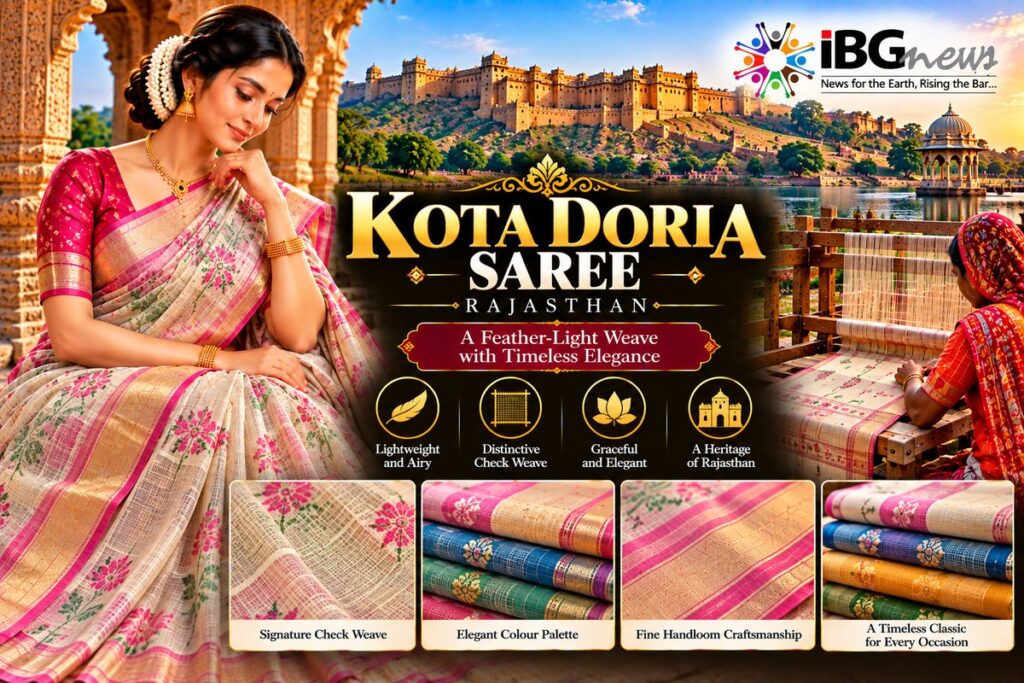
Kota Doria is known for its airy, lightweight fabric and distinctive small square checks called khat. Its weaving tradition is associated with Rajasthan and is valued for producing a fine, breathable textile.
Uniqueness and tradition: The open, checked structure gives the fabric its lightness and transparency. Delicate zari borders and subtle motifs may be added for festive versions.
Myth and cultural associations: Kota Doria’s identity is linked to local weaving communities and historic regional patronage, rather than a particular epic or myth.
Buying tip: Genuine handwoven Kota Doria has a distinctive lightweight structure. Check the fabric composition and ask whether the checks are woven rather than printed.
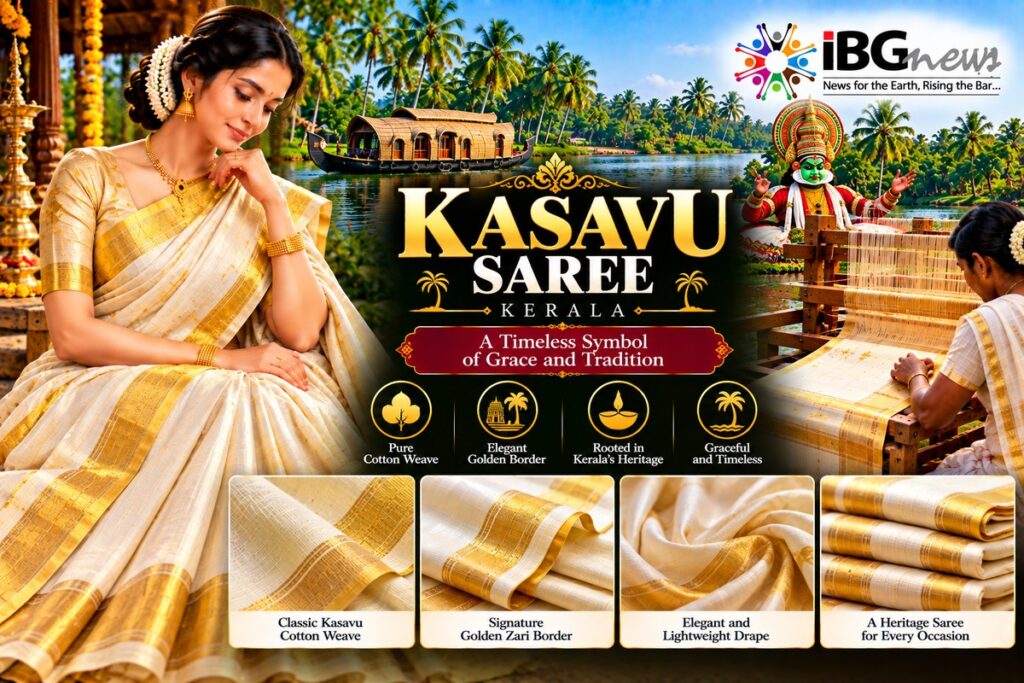
17. Kasavu Saree — Kerala
Origin: Kerala, especially Balaramapuram and other weaving centres
Material: Cotton with zari or metallic-thread borders
Indicative price: ₹1,000–₹15,000+
Best for: Onam, Vishu, weddings, temple visits and cultural functions
Kasavu sarees are recognised by their elegant off-white or cream body and gold-toned border. They are strongly associated with Kerala’s traditional attire and are especially popular during Onam and other major festivals.
Uniqueness and tradition: The understated colour palette and restrained border create a graceful look. Some premium versions include wider zari borders, coloured accents or intricate woven patterns.
Myth and cultural associations: Kasavu is closely linked with Kerala’s Onam celebrations and the legend of King Mahabali, whose annual return is celebrated during the festival. The saree is a symbol of festive identity rather than a garment originating directly from the legend.
Buying tip: Check the cotton quality and whether the border uses real zari, tested zari or imitation metallic thread.
18. Bomkai Saree — Odisha
Origin: Bomkai and Subarnapur/Sonepur region, Odisha
Material: Cotton and silk
Indicative price: ₹3,000–₹30,000+
Best for: Festivals, weddings, cultural events and traditional collections
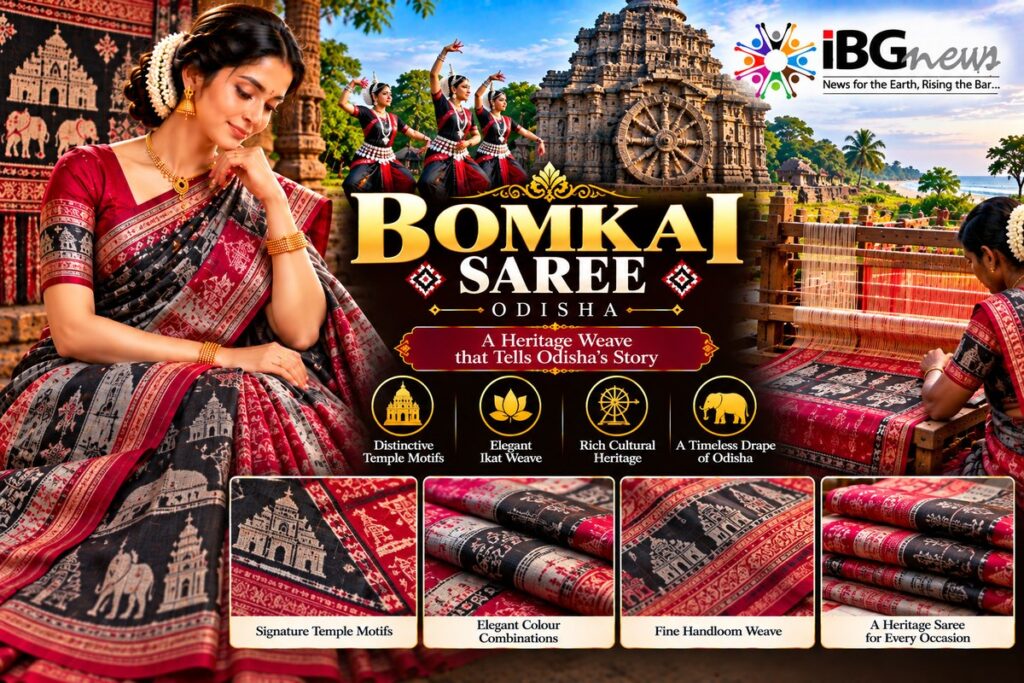
Bomkai sarees combine traditional weaving with distinctive supplementary-thread designs. They are known for striking borders and intricate motifs influenced by tribal and regional artistic traditions.
Uniqueness and tradition: The pallu may feature fish, flowers, conch shells, geometric patterns and other regional motifs. The contrast between the body and decorative borders gives the saree a strong visual identity.
Myth and cultural associations: Fish and conch designs can carry auspicious meanings in Odisha’s cultural and religious traditions. Their interpretation varies according to the community and design.
Buying tip: Look for clearly woven motifs and ask about the weaving cluster. Check the fabric and whether the saree is handloom.
19. Bhagalpuri Tussar Silk Saree — Bihar
Origin: Bhagalpur and surrounding areas, Bihar
Material: Tussar (wild) silk
Indicative price: ₹3,000–₹25,000+
Best for: Formal events, office wear, cultural functions and gifts
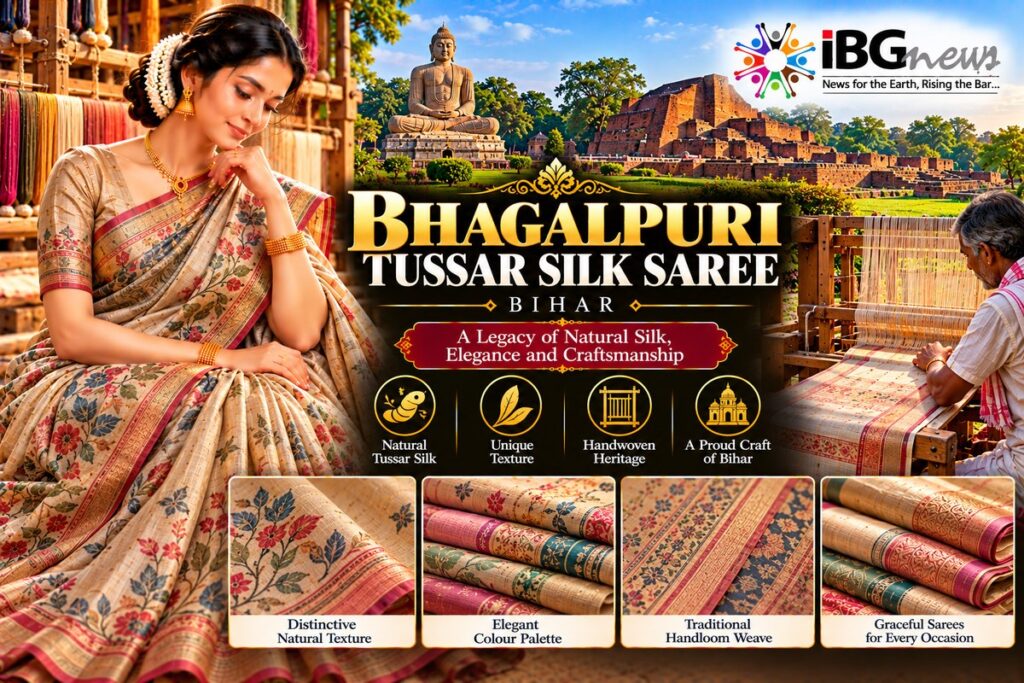
Bhagalpuri silk is known for its natural texture and earthy appearance. Tussar silk, made from wild silkworm varieties, has a distinctive surface and a slightly crisp drape that differs from the smooth finish of mulberry silk.
Uniqueness and tradition: Natural shades, hand-painted or printed motifs, woven borders and traditional patterns make these sarees versatile. They may be left in their natural tones or dyed in a wide range of colours.
Myth and cultural associations: Tussar’s connection with forest-based silk traditions gives it a distinctive cultural and ecological identity. It is not associated with one specific myth, but it forms part of India’s long history of natural-fibre craftsmanship.
Buying tip: Ask whether the saree is pure Tussar or a blend, and distinguish woven motifs from printed or painted designs.
20. Ajrakh-Printed Saree — Gujarat and Rajasthan
Origin: Kutch, Gujarat, and Barmer region, Rajasthan
Material: Cotton, modal, silk and other suitable fabrics
Indicative price: ₹2,000–₹25,000+
Best for: Contemporary styling, everyday wear, cultural events and artistic collections
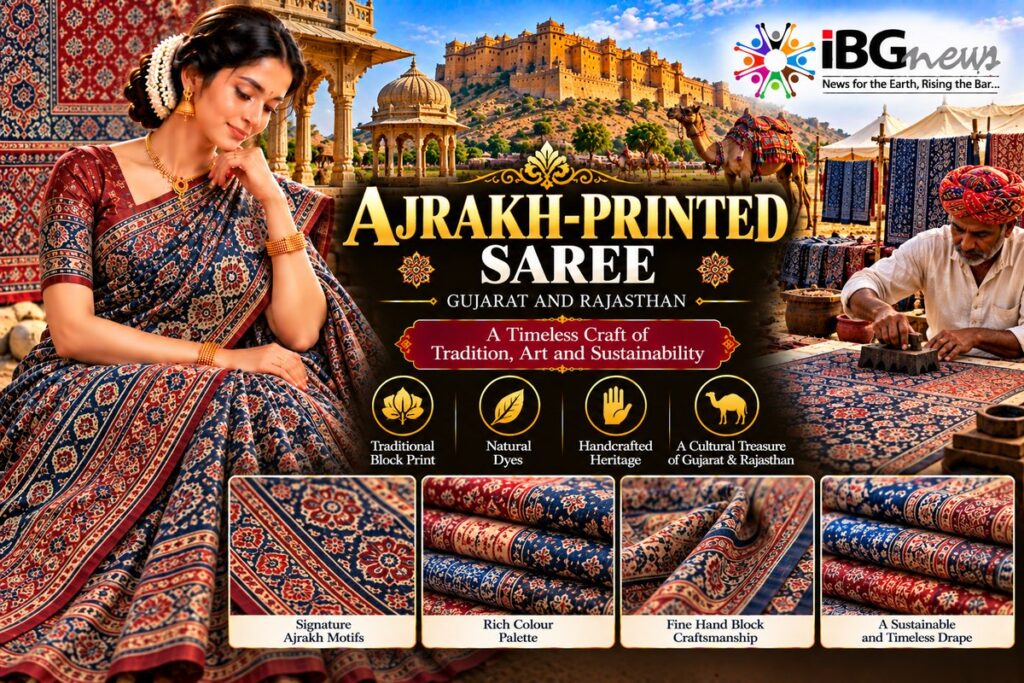
Ajrakh is a traditional block-printing craft known for its complex geometric patterns, deep indigo, madder red and natural-looking colour palette. It is created through multiple stages of printing, washing and dyeing, with the pattern built through carefully aligned carved wooden blocks.
Uniqueness and tradition: Star-like geometry, repeated borders and intricate symmetry are characteristic. Ajrakh sarees bring an ancient printing tradition into a contemporary garment.
Myth and cultural associations: The craft is closely linked with the cultural life of Kutch and the communities that practise it. Geometric forms and natural dyes express a long-standing relationship between design, environment and local identity, rather than a single mythological narrative.
Buying tip: Ask whether the saree is hand-block printed and what dyes were used. Printed fabric marketed as Ajrakh may be machine-made, so verify the production method.
At-a-glance buying guide
| Saree | Region | Indicative price range |
|---|---|---|
| Banarasi silk | Uttar Pradesh | ₹5,000–₹2,00,000+ |
| Kanchipuram silk | Tamil Nadu | ₹8,000–₹3,00,000+ |
| Patan Patola | Gujarat | ₹1,00,000–₹5,00,000+ |
| Paithani | Maharashtra | ₹10,000–₹2,00,000+ |
| Chanderi | Madhya Pradesh | ₹2,500–₹25,000+ |
| Baluchari | West Bengal | ₹6,000–₹50,000+ |
| Dhakai Jamdani | Bengal | ₹5,000–₹1,00,000+ |
| Sambalpuri Ikat | Odisha | ₹3,000–₹30,000+ |
| Pochampally Ikat | Telangana | ₹3,000–₹30,000+ |
| Mysore silk | Karnataka | ₹8,000–₹50,000+ |
| Gadwal | Telangana | ₹5,000–₹50,000+ |
| Maheshwari | Madhya Pradesh | ₹2,000–₹20,000+ |
| Muga silk | Assam | ₹15,000–₹1,00,000+ |
| Assam Pat silk | Assam | ₹6,000–₹40,000+ |
| Bandhani | Gujarat/Rajasthan | ₹1,500–₹30,000+ |
| Kota Doria | Rajasthan | ₹2,000–₹18,000+ |
| Kasavu | Kerala | ₹1,000–₹15,000+ |
| Bomkai | Odisha | ₹3,000–₹30,000+ |
| Bhagalpuri Tussar | Bihar | ₹3,000–₹25,000+ |
| Ajrakh-printed | Gujarat/Rajasthan | ₹2,000–₹25,000+ |
Price ranges are approximate India-market guide values. They vary by silk grade, handloom or powerloom production, zari content, design complexity, artisan and retailer. Premium heirloom pieces may exceed the upper ranges.
How to buy an authentic Indian saree

1. Understand the difference between handloom and powerloom. Handloom sarees are woven manually and often require substantial time and skill. Powerloom products may reproduce similar designs at lower cost, but should be described honestly.
2. Ask about the fibre. “Silk” can refer to pure silk, silk blends or synthetic fabric sold under a style name. Ask for the exact fibre composition and any available silk certification.
3. Verify the zari. Zari may be imitation, tested metallic thread or precious-metal zari. A saree’s price can change significantly according to its zari content.
4. Look for GI and handloom information. Geographical Indication (GI) recognition identifies products associated with a particular region and traditional characteristics, but it is not by itself a guarantee that every seller’s item is genuine. Ask for a valid GI or handloom label where applicable, seller details and a purchase invoice.
5. Buy from reputable sources. Artisan cooperatives, established handloom stores, state emporia and transparent specialist retailers can help buyers understand what they are purchasing. For international buyers, check shipping, import duties, return policies and customs requirements before payment.
6. Consider care and storage. Pure silk and zari sarees generally need careful handling, suitable storage and professional cleaning where advised. Cotton and some silk-cotton sarees may be easier to maintain, but care instructions vary by dye and weave.
Which saree should you choose?
- For a bridal heirloom: Kanchipuram, Banarasi, Paithani or Patan Patola.
- For lightweight elegance: Chanderi, Jamdani, Kota Doria or Maheshwari.
- For regional cultural identity: Baluchari, Sambalpuri, Bomkai, Kasavu or Gadwal.
- For a collector: Patan Patola, fine Jamdani, Muga silk or a rare handwoven Banarasi.
- For a more accessible budget: Kasavu, simpler Bandhani, Maheshwari cotton-silk or handloom cotton varieties.
- For contemporary styling: Ajrakh, Pochampally Ikat, Sambalpuri or Tussar.
Preserving India’s living textile heritage
Every authentic handwoven saree represents the knowledge, time and skill of artisans who sustain India’s textile traditions. Buying directly from recognised weavers, cooperatives and responsible sellers can help support these craft communities and encourage younger generations to continue the work.
For Indian buyers, a saree may carry family memories, ceremonial meaning and regional pride. For international visitors, it can be a wearable connection to India’s diverse cultural heritage. The best purchase is not necessarily the most expensive one, but the saree whose material, craftsmanship, provenance and story make it meaningful to its owner.
A saree is not simply a garment; it is a work of art woven with history, identity and tradition.
Sources for further reading: UNESCO’s documentation of Indian saree weaving clusters, Incredible India on Banaras brocades, Incredible India on Paithani, Incredible India on Baluchari, Vogue India on Jamdani, and CIPAM on Geographical Indications.
The historical notes above distinguish documented craft history from regional legends and symbolic associations. Price estimates are broad buyer guidance, not independently verified quotes from individual artisans.

