














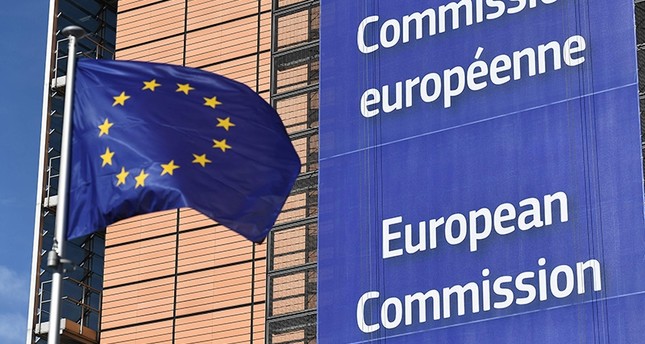

European Commission Approves €114.7 Million Emergency Aid for Spain Amid Ceuta Migration Crisis
By Suman Munshi, IBG NEWS
Brussels, September 9, 2026: The European Commission has approved €114.7 million in emergency assistance for Spain to help authorities manage the ongoing situation in Ceuta, following large-scale illegal border crossings reported on July 30–31.
The European Commission said the financial package is intended to strengthen Spain’s ability to manage border security, migration screening, reception facilities and returns, while additional operational assistance is being coordinated through EU agencies.
Funding to Strengthen Border Security
The emergency assistance will be drawn from two EU funding instruments: €82.7 million from the Asylum, Migration and Integration Fund (AMIF) and €32 million from the Border Management and Visa Instrument (BMVI).
According to the Commission, the money will support measures including enhanced border surveillance, protection and security infrastructure. Planned capabilities include thermal cameras, observation technology, floating buoy systems and underwater drones, along with additional personnel and equipment.
The package will also help establish facilities for migrant screening and support the return of people who are not legally entitled to remain in Ceuta. Reception capacity, including facilities for unaccompanied minors, is also covered by the emergency funding.
Frontex, Europol and EUAA to Step Up Support
Alongside the financial assistance, the Commission has coordinated additional operational support from three EU agencies — Frontex, Europol and the European Union Agency for Asylum (EUAA).
Frontex is prepared to extend its existing operational plans in Spain into 2027. The continuation of Joint Operation Minerva has already been agreed, allowing Frontex Standing Corps personnel to remain deployed in Ceuta.
Further Frontex assistance could include maritime assets, greater information-sharing through Eurosur, support related to returns and cooperation with Morocco.
Europol will continue working with Spanish law-enforcement authorities, particularly on investigations into migrant-smuggling networks and related strategic analysis. EUAA, meanwhile, has agreed to provide assistance with interviews and interpretation.
Joint Coordination Mechanism Planned
The European Commission and the EU agencies will maintain close coordination with Spanish authorities. A joint core group involving Commission representatives, EU agencies and relevant Spanish officials is being established to coordinate the emergency response.
The group is scheduled to meet regularly, including during the disbursement of the emergency funding. The Commission also said that a second technical visit to Ceuta is planned this week.
Once the grant agreement is signed, the Commission can make up to 80% of the approved funding available within 30 days. Eligible actions can also be financed retrospectively from the beginning of the emergency situation.
Commission Reaffirms Focus on Returns and Border Security
Henna Virkkunen, Executive Vice-President for Tech Sovereignty, Security and Democracy, said the Ceuta situation had placed pressure on the EU’s external borders and reaffirmed the Commission’s commitment to tackling illegal migration and strengthening border security.
Commissioner for the Mediterranean Dubravka Šuica stressed that the challenge extends beyond Spain and requires a European response, while Commissioner for Internal Affairs and Migration Magnus Brunner described the situation as a test of European resilience and external-border security.
The Commission also highlighted cooperation with Mediterranean partners, including Morocco, particularly in relation to migration management and efforts against migrant-smuggling networks.
With the new funding and strengthened agency support, Brussels is seeking to reinforce Spain’s immediate capacity in Ceuta while improving coordination on border management, migrant reception and returns.
— Suman Munshi, IBG NEWS

