






PM Modi Calls for More Inclusive Global Governance at BRICS Summit
By Suman Munshi | IBG NEWS
September 13, 2026 | New Delhi
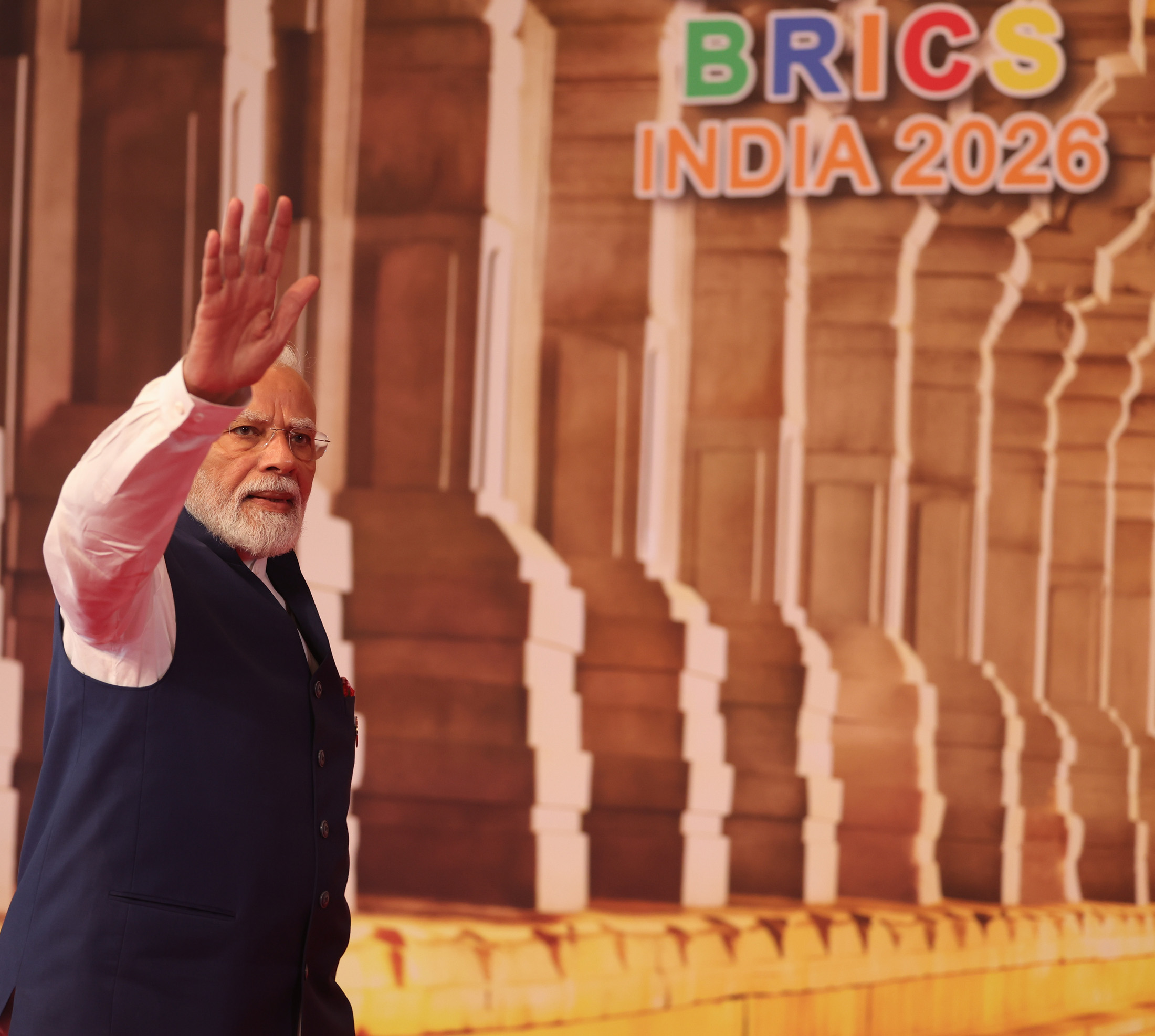
Prime Minister Narendra Modi on September 12 chaired a key session of the 18th BRICS Summit in New Delhi, focusing on “Inclusive Global Governance and Strengthening Multilateralism.” The discussion centred on making international institutions more representative and ensuring that developing countries have a stronger role in shaping global decisions.
Addressing BRICS leaders, Prime Minister Modi highlighted the growing imbalance between the Global South’s exposure to international crises and its limited influence over global decision-making.
He described the situation as one in which the Global South stands at the “front row” of global crises but remains in the “back row” of decision-making, calling for a shift from a system based on privilege to one founded on partnership.
India Pushes for Greater Global South Representation
Prime Minister Modi stressed that international governance structures need to reflect the realities of the present world. He particularly called for greater representation for developing nations in major global institutions, including the United Nations Security Council.
He also underlined the importance of enabling countries of the Global South to move beyond simply following internationally established rules and become active participants in shaping them.
According to Modi, BRICS can contribute to this objective by creating opportunities for young diplomats and policymakers from developing countries to acquire negotiation skills, practical experience and legal expertise.
Proposal for Seafarers Emergency Support Network
The Prime Minister also drew attention to the contribution of seafarers to international trade, noting that despite their critical role in keeping global commerce moving, they can face serious difficulties during emergencies and crises.
He proposed establishing a Seafarers Emergency Support Network through BRICS to strengthen assistance mechanisms for maritime workers during times of crisis.
“Shared Future” Must Mean Shared Influence
Concluding his remarks, Modi emphasised that countries must have a more equitable role in determining the direction of the international system.
He argued that if the future of nations is interconnected, the ability to influence that future should also be shared—moving from voice to impact and from privilege to partnership.
The session concluded with the adoption of the New Delhi BRICS Leaders’ Declaration, which outlines common priorities and provides a framework for cooperation among BRICS members in the period ahead.
The declaration is expected to guide the grouping’s efforts on strengthening multilateral cooperation, improving representation in global institutions and advancing the interests of the Global South.
By Suman Munshi | IBG NEWS
Input from PIB