
















Telipukur Durga Puja 2026: A Pond Full of Love, Environmental Awareness and a Call to Protect Community Traditions
By Suman Munshi | IBG NEWS
Photography By Antara Tripathy
SOUTH DUM DUM, KOLKATA | October 15, 2026
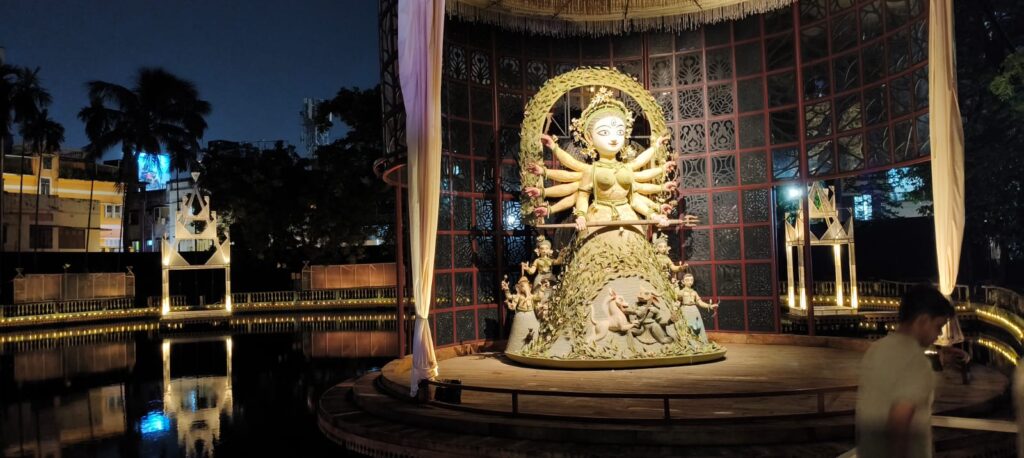
Telipukur Yuba Sangha and Nursery Bagan Adivasi Brinda’s Durga Puja has emerged as a prominent attraction in the Nagerbazar–South Dum Dum area this year, drawing attention for its artistic presentation, environmental message and growing public interest. As Kolkata prepares for the main days of Durga Puja, Telipukur offers a reminder that a community festival can be both a celebration of faith and a platform for reflecting on issues affecting everyday urban life.
A pond becomes the centre of a larger story
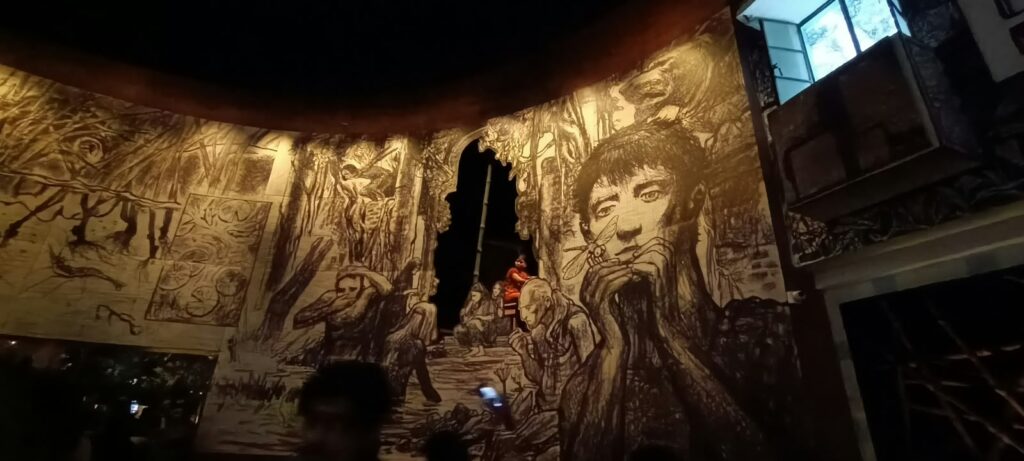
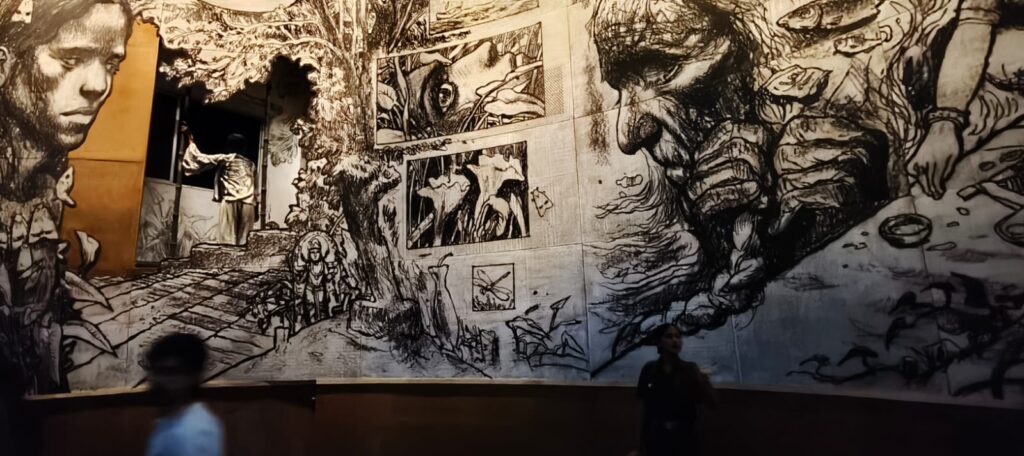
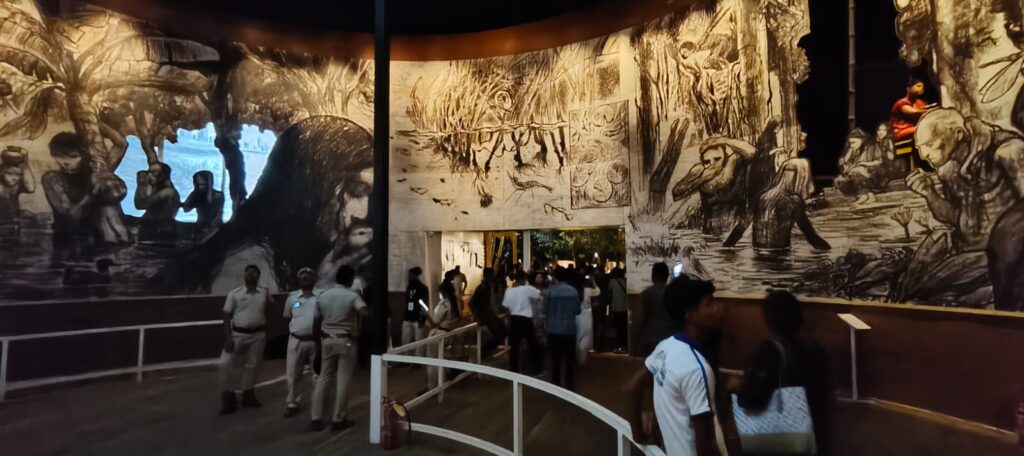
The 2026 concept associated with Telipukur has been reported as “Ek Pukur Bhalobasha” — “A Pond Full of Love.” Conceived by artist and set designer Bhabatosh Sutar, the theme connects the emotional place of a neighbourhood pond in community life with concerns about the disappearance and pollution of urban water bodies. The concept invites visitors to look beyond the decorative surface of a festival installation and consider the ecological value of ponds in a densely populated city.
A pond is more than a geographical feature. In Bengal’s social and cultural life, water bodies have traditionally been connected with daily routines, family occasions, religious observances, recreation and local memory. Their decline can therefore mean the loss of both an ecological resource and a shared community space.
According to The Indian Express’s coverage of Kolkata’s 2026 concept pandals, Telipukur’s presentation uses an immersive underwater sound installation to draw attention to the experience of aquatic life. The report describes microphones placed at the pond floor to capture underwater sounds, including fish feeding, which are played inside the pandal. The installation also presents the problem of waste entering water bodies from the perspective of life beneath the surface.
This approach gives the environmental message a human dimension: pollution is not merely something visible on a pond’s surface; it also affects the living ecosystem below it.
Bhabatosh Sutar’s role in the artistic presentation

Bhabatosh Sutar is identified in reporting and on the puja website as the artist associated with Telipukur’s creative concept. The installation illustrates how contemporary Durga Puja presentations can combine traditional festive architecture with sound, visual storytelling and environmental themes.
Theme-based pandals have become an important part of Kolkata’s Durga Puja culture. Their significance, however, need not be measured only by scale or visual impact. A well-developed concept can encourage visitors to pause, discuss a social concern and carry that message beyond the festival.
In Telipukur’s case, the focus on ponds connects the artistic experience with an issue familiar to residents of Kolkata and its suburbs: the protection of urban water bodies amid development, waste generation and changing patterns of land use.
A neighbourhood celebration with a wider audience
Telipukur Yuba Sangha and Nursery Bagan Adivasi Brinda identifies its venue on Ananda Mohan Bose Road, Telipukur, Kolkata, West Bengal 700074. Its online information also provides a festival schedule and visitor-oriented features, including a pandal map and live-darshan facility.
The growing attention around prominent local pujas reflects the way neighbourhood celebrations have developed into wider cultural destinations. Local committees, artisans, volunteers, residents and visitors all contribute to this transformation. At the same time, larger crowds place greater demands on access routes, public safety, sanitation and orderly movement around residential areas.
For a festival to remain welcoming, artistic ambition must be accompanied by practical arrangements that protect visitors and respect the needs of the surrounding community.





VIP passes and the importance of transparency
Telipukur’s rising public profile has also brought an issue beyond the pandal’s artistic theme into the news. A report published by Bartaman Patrika on October 14 said that advertisements offering Telipukur Puja passes for money had appeared in a local social-media group. The report quoted Tarunjyoti Tewari, the MLA from Rajarhat–Gopalpur and the puja’s chief adviser, warning that the passes had been distributed free of charge and that people should not pay for them. He also asked people to report such transactions.
The report described an offer of ₹300 for four people and placed the incident within a wider discussion about the resale of VIP passes for popular pujas in Kolkata and its northern suburbs.
The distinction is important: the report concerns advertisements and alleged resale activity, not an established finding that the organising committee itself was selling entry passes. Visitors should therefore rely on verified information from the organisers and avoid paying unauthorised sellers for passes advertised as free.
Public confidence is essential to a community festival. Clear communication about entry arrangements and the status of any special passes can help protect visitors from misleading offers and preserve the spirit of public participation.
Durga Puja as culture, community and civic responsibility
Durga Puja is simultaneously a religious observance, a major cultural gathering and a source of work for artisans, decorators, lighting specialists, performers, vendors and many others. In neighbourhoods such as Telipukur, the festival also reinforces local identity and brings people together around a shared public event.
The environmental theme offers an especially relevant message. If visitors leave the pandal thinking more seriously about pond conservation, waste disposal and the protection of local ecosystems, the installation’s value will extend beyond the days of celebration.
That message also creates an opportunity for practical community action: reducing litter, disposing of offerings responsibly, preventing plastic waste from entering drains and water bodies, and supporting efforts to preserve neighbourhood ponds.
Looking beyond the spectacle
As Durga Puja 2026 begins, Telipukur’s presentation illustrates the possibilities of using public art to connect tradition with contemporary concerns. The attraction lies not only in the effort involved in building a memorable pandal, but also in the questions it raises about the environment, public access and the responsibilities that accompany growing popularity.
For South Dum Dum, the larger measure of a successful celebration will be whether it sustains community participation, respects the public character of the festival and leaves visitors with a message that continues after the lights are switched off.
IBG NEWS perspective: A Durga Puja pandal can be more than a temporary spectacle. When artistic creativity draws attention to the protection of shared natural resources, the festival becomes an opportunity to strengthen both cultural memory and civic awareness.
Editorial verification note: Available online information is inconsistent about the exact 2026 theme. The organisers’ website displays “Ek Pukur Bhalobasha” on its homepage, while its separate theme page lists “Shashwat (Sanatan).” This article uses “Ek Pukur Bhalobasha” because it is supported by the published news report describing the environmental installation. The organisers should be contacted to confirm the final official theme wording before publication.

