












IGNCA Highlights Importance of Preserving Instrument Makers at Launch of ‘Aarav: Miraj Ka Tanpura’
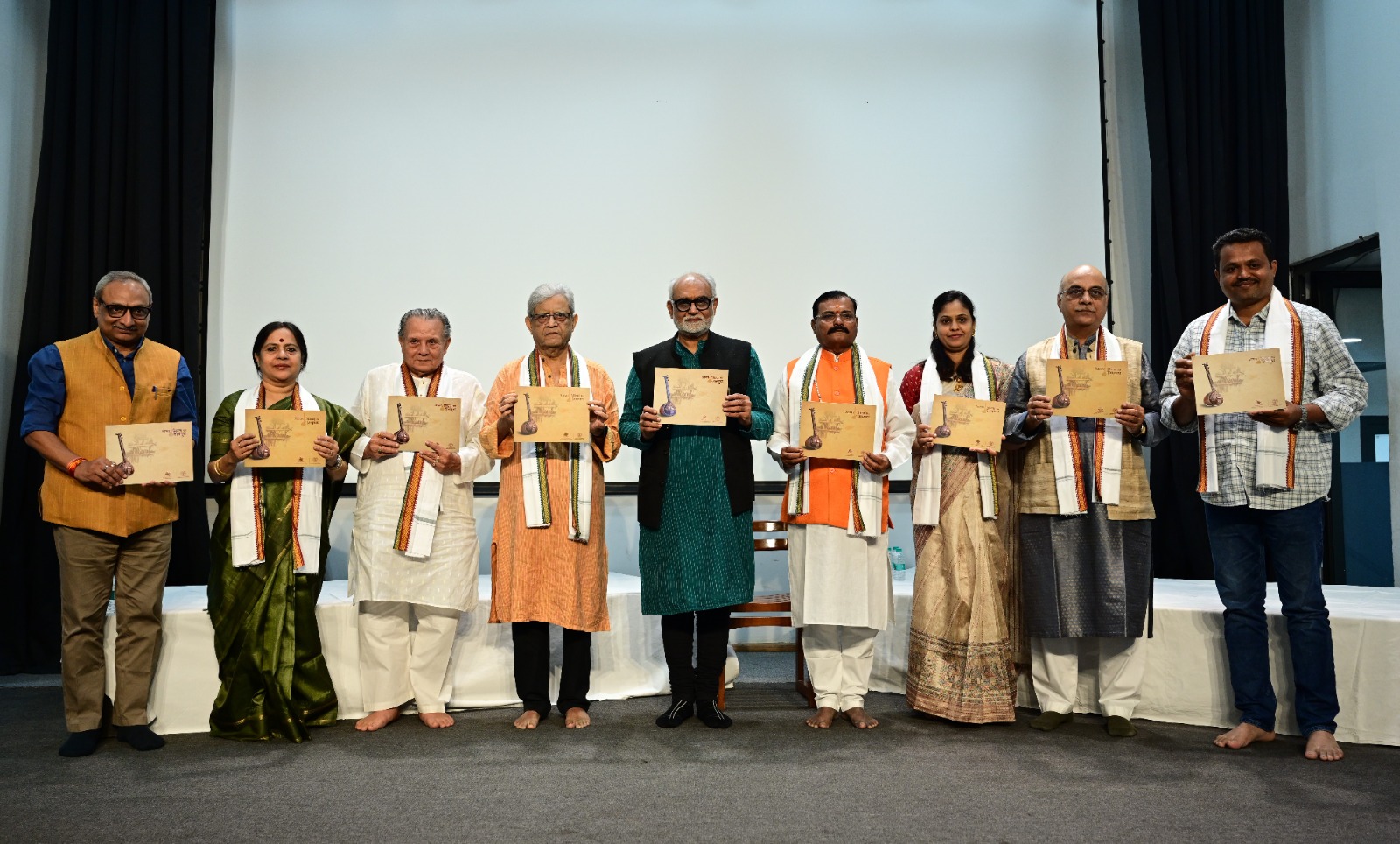
New Delhi, June 22, 2026: Emphasizing that the preservation of India’s rich musical heritage must go beyond performers and traditions to include the artisans who create musical instruments, the Indira Gandhi National Centre for the Arts (IGNCA) hosted the launch of the documentary film ‘Aarav: Miraj Ka Tanpura’ along with a special musical presentation in New Delhi.
The event, organized by the KalaKosa Division of IGNCA in collaboration with the Akhil Bharatiya Gandharva Mahavidyalaya Mandal, Mumbai, marked World Music Day and commemorated the birth anniversary of noted musicologist Dr. Prem Lata Sharma. The occasion also witnessed the release of the book ‘Aarav: Miraj Ka Tanpura’ in both Hindi and English.
The programme focused on the historic tradition of tanpura-making in Miraj, Maharashtra, a craft that has played a crucial role in sustaining Indian classical music for generations. Through the film and discussions, the event highlighted the artistry, craftsmanship, and cultural significance of the instrument makers whose work remains integral to India’s musical legacy.
The event was presided over by Dr. Sachchidanand Joshi, Member Secretary of IGNCA. Distinguished scholar and Padma Shri awardee Prof. Bharat Gupt attended as Chief Guest, while renowned Hindustani classical vocalist Dr. Subhadra Desai was the Special Guest. Eminent music critic and senior artiste Pt. Satyasheel Deshpande participated as Special Invitee.
Renowned Miraj tanpura craftsmen Shri Altaf Mulla and Dr. P. Y. Mulla were also present, underscoring the programme’s focus on the artisans who continue to uphold this centuries-old tradition.
In his address, Dr. Sachchidanand Joshi recalled a conversation during a train journey in which a fellow passenger from Miraj expressed concern that the town’s globally renowned tanpura-making tradition was gradually declining. The experience, he said, remained with him and later inspired IGNCA’s association with the project.
Dr. Joshi warned that the increasing dependence on electronic alternatives could threaten traditional instrument-making practices. “If musical instruments cease to be used and are replaced entirely by electronic devices, the traditions of instrument making may eventually disappear, causing an irreparable loss to Indian music,” he observed.
He stressed that preserving musical traditions should include documenting and recognizing the artisans who craft these instruments. Referring to IGNCA’s archival initiatives, including the Bhimshadj project that has documented 36 ragas of Indian classical music, he emphasized that instrument makers deserve the same respect accorded to vocalists, musicians, and performers.
Chief Guest Prof. Bharat Gupt described the programme as a rare celebration of an often-overlooked subject. He noted that despite technological advancements, the tanpura remains the foundational instrument of Indian classical music, providing the tonal framework upon which musical expression is built.
Highlighting the philosophical dimensions of music, Prof. Gupt remarked that music can only be fully experienced through resonance and dialogue, with the tanpura serving as the enduring source of that connection.
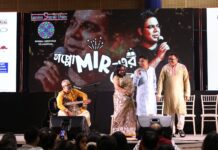
During the programme, Pt. Satyasheel Deshpande presented a musical demonstration illustrating the tanpura’s critical role in establishing tonal balance, sustaining melodic depth, and shaping the overall aesthetic experience of Indian classical music.
Prof. Vishwas Jadhav of the Akhil Bharatiya Gandharva Mahavidyalaya Mandal observed that the occasion celebrated not merely a film but a long and continuing journey dedicated to preserving a unique musical and cultural heritage.
Dr. Subhadra Desai remarked that Indian classical music is unimaginable without the tanpura, whose constant presence remains fundamental to performance, training, and transmission of the tradition.
Earlier, welcoming the guests, Prof. Sudhir Lall, Head of the KalaKosa Division at IGNCA, referred to the ancient Natyashastra and highlighted its influence on the development of musical instruments. He also spoke about the distinctive Miraj tanpura-making tradition, which has received Geographical Indication (GI) recognition.
The event concluded with a renewed commitment to preserving India’s musical heritage, safeguarding traditional craftsmanship, and strengthening the guru-shishya parampara that continues to sustain the country’s classical music traditions.
Source: IGNCA