










BREAKING ECO-REPORT: South Asia’s Precious Coral Reefs Facing Total Collapse, New Global Red List Warns
By Suman Munshi, Chief Editor, IBG NEWS
KOLKATA / GLOBAL DESK: In what marks a monumental but deeply alarming milestone for international marine conservation, scientists have released the first comprehensive Global Red List of Coral Reef Ecosystems for South Asia.
The extensive scientific study, published on October 22, 2026, presents a frightening verdict for our oceans: all 13 unique coral reef regions across India, Bangladesh, Sri Lanka, the Maldives, and the Chagos Archipelago are under severe threat of total ecosystem collapse.
🚨 What is the Situation?
Scientists evaluated these underwater habitats using strict international standards. When factoring in future climate change and rising ocean temperatures over the next 50 years, every single one of the 13 coral reef ecoregions is classified as Critically Endangered (CR)—the highest possible risk level before an ecosystem disappears forever.
Even looking strictly at the damage already observed over the past 50 years, the current reality is incredibly grim:
- 2 Regions are already Critically Endangered: The Northern Bay of Bengal (Bangladesh) and Sri Lanka South.
- 4 Regions are Endangered: Including Sri Lanka West, Sri Lanka North, Sri Lanka East, and the South Coast of India.
- 7 Regions are Vulnerable: Including Lakshadweep Island, the Andaman and Nicobar Islands, the West Coast of India, Chagos, and the Maldives.
🌊 Why Should the Common Person Care?
For many of us living in bustling cities or inland towns, coral reefs feel like a distant tropical vacation luxury. In reality, they are the biological engine of our oceans.
- Food Security: Reefs act as marine nurseries. They provide home, shelter, and breeding grounds for hundreds of species of fish, crabs, and marine life. If the reefs die, local fisheries face immediate devastation, impacting the food supply and livelihoods of millions of coastal residents.
- Natural Shield Against Superstorms: Massive coral structures act as natural breakwaters. They absorb the ferocious energy of waves, protecting low-lying islands and coastal mainland cities from severe storm surges, erosion, and flooding.
- Medicine and Tourism: Reefs support crucial tourism economies and harbor chemical compounds used in modern medicine.
🌡️ What is Killing Our Reefs?
The report details a “double-whammy” combination of global climate stress and destructive local human activity:
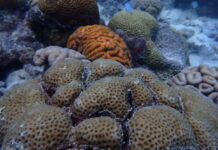
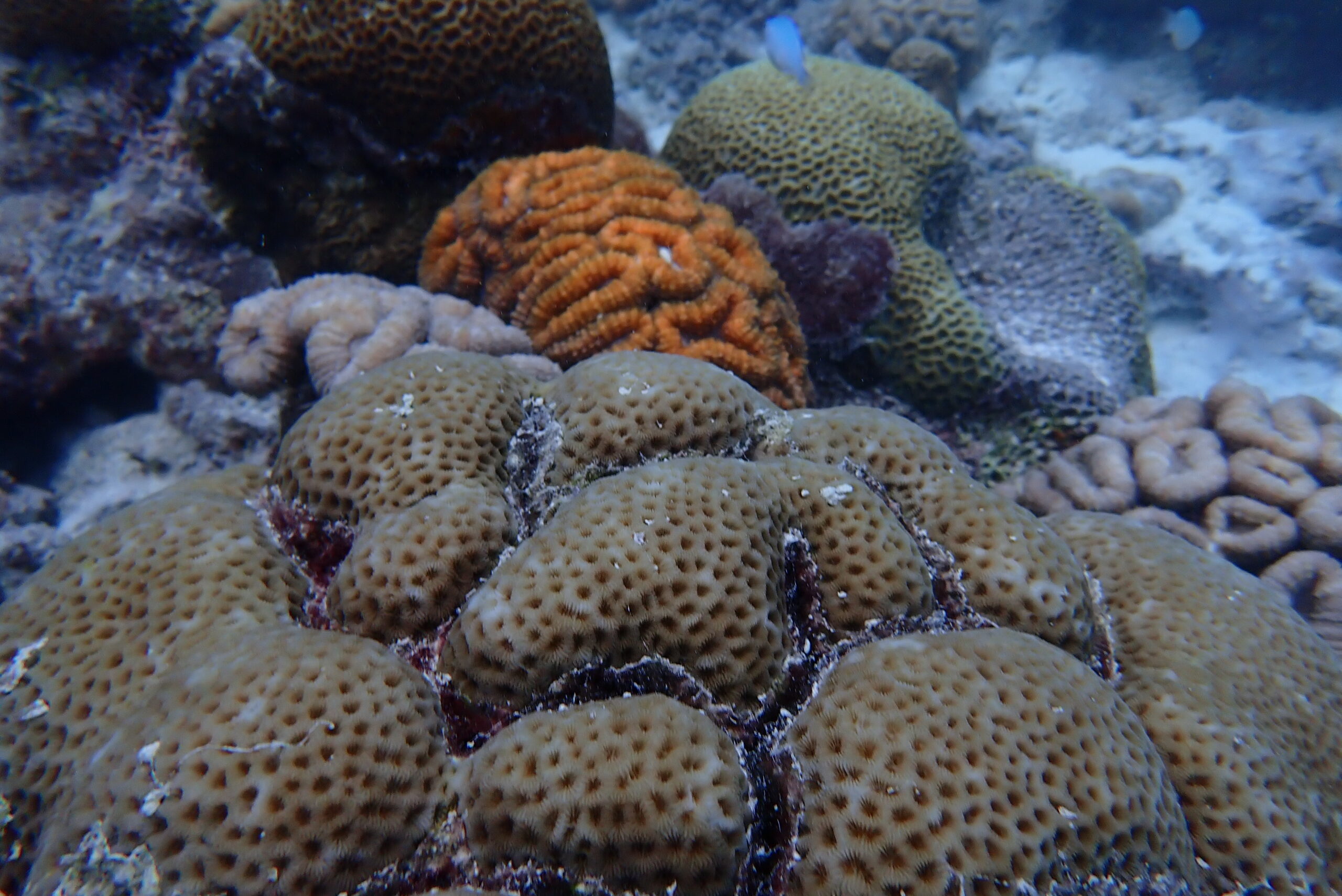
- Marine Heatwaves (The Biggest Threat): As human activities warm the planet, the oceans are absorbing record amounts of heat. When water gets too hot, corals undergo “mass bleaching”—turning stark white and starving to death. Major heatwaves in 1998 wiped out roughly 70% of the region’s living corals, and repeated heatwaves since then have drastically choked their ability to recover.
- Local Pollution & Sewage: Runoff from heavy coastal development, plastic pollution, agricultural chemicals, and untreated sewage is literally suffocating the marine life.
- Overfishing: Destructive fishing practices wipe out key functional fish—like parrotfish—which act as the ocean’s “lawnmowers” by eating harmful algae. Without these fish, slime and algae take over, leaving no clean surfaces for new corals to grow.
🔍 Spotlights Closer to Home
- Bangladesh & Northern Bay of Bengal: This region is uniquely vulnerable. Because it is so close to heavy river runoff and massive sediment layers, its small but distinct coral habitats around St. Martin’s Island are facing an immense struggle against turbidity, pollution, and climate stress.
- India’s Marine Gems: While places like the Andaman and Nicobar Islands still boast incredible, diverse coral varieties, they are severely threatened by rising temperatures, expanding coastal tourism, and local fishing pressures.
🛑 What Defines an “Ecosystem Collapse”?
The scientists have set a clear baseline for what counts as complete death for a reef. A reef is considered “Collapsed” if the live coral cover drops below 5% (at which point it can no longer grow or rebuild), if the reef area disappears entirely, or if marine heatwaves hit so frequently (every 5 years or less) that corals have zero time to regenerate.
🕊️ IBG NEWS Editorial Take: A Call for Regional Unity
The data is clear, scannable, and undeniable. Nature does not recognize political borders. The coral reefs of the Indian Ocean belong to a shared global heritage, and their protection requires a coordinated, emergency response from the governments of India, Bangladesh, and Sri Lanka.
While we cannot fix global emissions overnight, the report highlights that we can control local stressors. Enforcing stricter fishing regulations, fixing our municipal waste and sewage treatment systems, and declaring heavily protected marine zones are immediate, actionable steps to save what remains.
If we don’t act now, the vibrant, colorful underwater worlds of South Asia will be replaced by silent, grey deserts of dead rubble within our lifetimes.

